
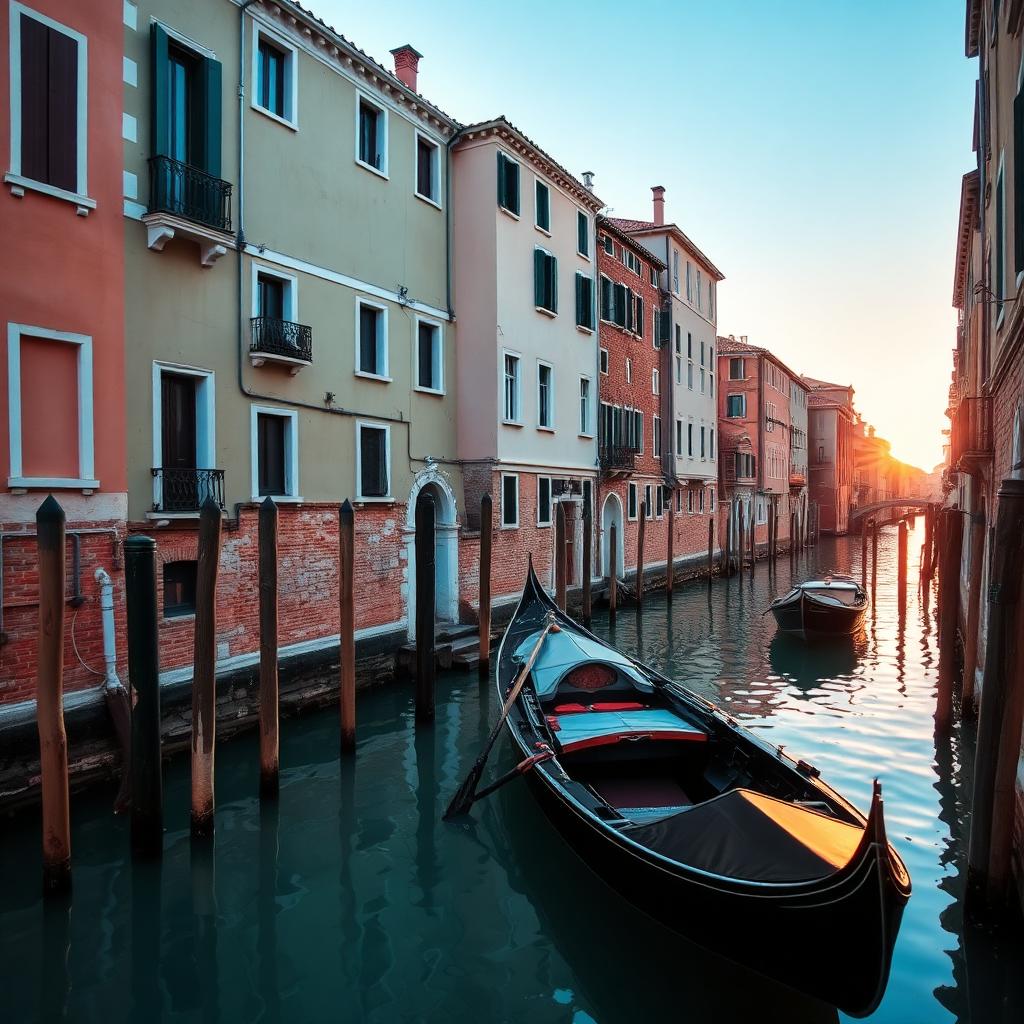
Venice, Italy
"A city built on water that still can't quite believe it worked"
Venice at a glance
- Best time to go
- April to June and September to October are usually the most comfortable: mild weather and thinner crowds than midsummer. July and August are hot, humid and the busiest, and acqua alta (seasonal high tide flooding in St Mark's Square and low-lying areas) is most likely roughly October to January, though it doesn't happen every year and rarely lasts more than a few hours at a time.
- How long to stay
- We'd suggest two to three days for the main sights, getting lost in the quieter back streets, and a half-day trip to Murano or Burano.
- Who it's for
- First-timers chasing the canals and gondolas, and repeat visitors chasing quieter neighbourhoods away from the San Marco crowds.
- Might not be for you if
- You're hoping for a quick, cheap day trip in peak season. Venice has trialled a day-tripper access fee on specific dates in recent years, and the rules have changed year to year, including being paused mid-season.
- Worth knowing right now
- Venice has experimented with a day-tripper access fee on selected dates, but whether it applies, and on which dates, has changed from year to year, including being switched off partway through a season. Always check the official page for current status before you go.
Venice is impossible and knows it. Six hundred bridges, no cars, and a light on the water at dawn that has been ruining painters for centuries. Stay overnight — the day-trippers leave at five and the city becomes quiet, strange and yours.
Best Time to Visit
April to May and October to November
Mar – May
Mild, bright, and busy around Easter; the best all-round window.
Jun – Aug
Hot, humid and packed; canals smell in the heat.
Sep – Nov
Golden light, fewer crowds, occasional acqua alta flooding.
Dec – Feb
Fog, quiet campos, and Carnival madness in February.
Getting Around
No cars, no bikes, and a lot of stairs — everything moves by boat or on foot.
🚤 Vaporetto
The public waterbus network; a multi-day pass pays for itself quickly.
🚶 Walking
Faster than the boat for most short hops. Getting lost is part of it.
⛵ Traghetto
Two euros to cross the Grand Canal standing in a working gondola.
🚆 Trains
Santa Lucia station puts you on the canal; Mestre is cheaper to sleep in.
💡 Venice charges a day-tripper access fee on peak dates — overnight guests are exempt.
Suggested Itineraries
Arrive
Vaporetto down the Grand Canal, evening spritz.
San Marco
Basilica at opening, campanile views, Doge's Palace.
Rialto & Bacari
Morning market, then a cicchetti crawl.
Islands
Murano, Burano and Torcello by waterbus.
Art Day
Accademia, Peggy Guggenheim, quiet Dorsoduro canals.
Lido or Padua
Beach day on the Lido or a train to Giotto's frescoes.
Departure
Dawn walk over the empty Rialto bridge.
☕ Too much? Totally allowed to swap a monument for a long lunch. The place isn't going anywhere, and neither is your curiosity.
Highlights
Must See
- Basilica di San Marco
- Doge's Palace
- Rialto market
- Murano & Burano
Local Cuisine
Insider Tip
Eat where the menu isn't translated into four languages — usually two bridges away from anything famous.
Venice travel questions, answered
When is the best time to visit Venice?
April to June and September to October are generally the most comfortable, with mild weather and fewer crowds than midsummer. July and August are hot, humid and the busiest. Late autumn and winter (roughly October to January) carry the highest chance of acqua alta, seasonal high tide flooding in low-lying areas like St Mark's Square, though it's unpredictable and usually short-lived when it happens.
Do you need to pay a fee to visit Venice as a day-tripper?
It depends on the year and the date, and it's genuinely unpredictable from one season to the next. Venice has trialled a day-tripper access fee on selected dates in recent years, but the scheme has been paused mid-season before, and future years aren't guaranteed to include it at all. Check the official Venice access fee site for current status before you travel; overnight guests are generally not required to pay it.
What is acqua alta, and does it disrupt a visit?
Acqua alta is a seasonal high tide that can flood St Mark's Square and other low-lying areas, most likely roughly October to January. It's usually brief, lasting a few hours around high tide, and raised walkways are put out in affected areas, so it's more of an inconvenience than a trip-ending problem for most visitors.
How many days do you need in Venice?
Two to three days covers the main sights, plenty of time to wander the quieter back streets away from San Marco, and a half-day trip to the nearby islands of Murano (glassblowing) and Burano (colourful houses).
Details last checked 23 September 2026.
More sparks for Venice
Stories, films and books to keep the daydreaming going.
Italy for First-Timers: How to Not Be the Person Who Saw Five Cities and Remembers None of Them
Inspiration · 8 min read
Read the story