
Italy for First-Timers: How to Not Be the Person Who Saw Five Cities and Remembers None of Them
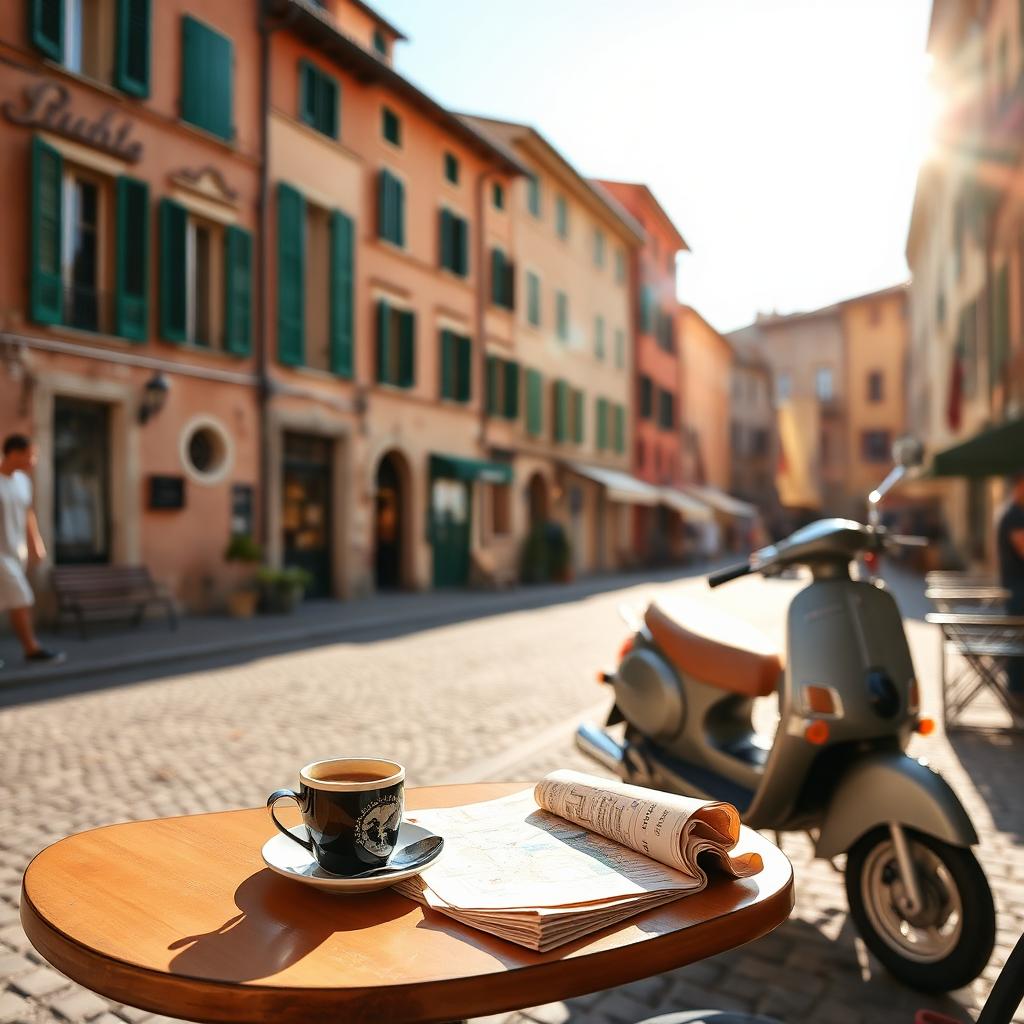
Here's the Italy trip almost every first-timer plans: Rome, Florence, Venice, maybe a "quick" stop in Cinque Terre, ten days, one suitcase, zero regrets — until day six, when you're standing in a train station you don't recognise, eating a sandwich you bought out of desperation rather than hunger, wondering why a country this beautiful is making you this tired.
It's not Italy's fault. It's the itinerary. Italy is one of the most over-ambitiously planned countries on earth, because everyone arrives with the same four names in their head and tries to fit all of them into the same week. The result is a trip that looks incredible in photos and feels, frankly, like a part-time job in luggage management.
This is the guide for doing it differently — not a checklist of sights, but the actual decisions that separate a first trip you come home raving about from one you come home recovering from.
The Single Biggest Mistake First-Timers Make
Trying to see too much of Italy in too little time. That's it. That's the mistake underneath almost every other mistake on this list.
Italy doesn't reward speed. The trains are excellent, which paradoxically makes this worse — it's so easy to hop between Rome, Florence, and Venice that people assume they should, cramming three wildly different cities into a week that would've been genuinely memorable as two cities done properly.
A useful rule of thumb: pick two regions or cities for a first trip, not four. Rome and Florence. Florence and the Tuscan countryside. Venice and a few days in the Dolomites. Naples and the Amalfi Coast. Any of these pairings gives you enough contrast to feel like a real trip, without the constant repacking, train-station stress, and the specific exhaustion of never quite settling anywhere.
If this sounds suspiciously like the same argument behind slow travel generally — fewer places, more time, deeper experience over wider coverage — that's because it is. Italy is just the country where ignoring that advice is most tempting and most punishing.
Mistakes That Quietly Wreck First Trips
A few patterns that show up again and again with first-time visitors:
- Booking the "scenic" train without checking the actual train type. Italy's high-speed trains (Frecciarossa, Italo) are fast, comfortable, and need to be booked in advance for the best fares. The regional trains are slower, cheaper, often unreserved, and can be packed standing-room-only in summer. Mixing these up is an easy, avoidable annoyance.
- Assuming every restaurant near a major sight is worth eating at. It almost never is. Walk at least two streets away from the landmark before choosing where to eat. Menus with photos of the food, multiple languages, and a tout outside are doing the same thing your gut is already telling you to avoid.
- Underestimating how much walking is involved, especially on cobblestones. Florence and Venice in particular are not destinations for new shoes or unbroken-in sandals.
- Not validating train tickets before boarding regional trains. On many regional and some intercity routes, paper tickets need to be stamped at a small yellow or green machine on the platform before you board. Skip this and you risk a fine, even with a perfectly valid ticket in hand.
- Treating Venice like a day trip when it deserves a night. The city transforms after the day-trippers leave around early evening — quieter canals, better light, restaurants that feel less like a conveyor belt. If your itinerary allows even one overnight in Venice, take it.
- Skipping the "boring" travel day. Build in at least one genuinely unplanned half-day per week — not because you're lazy, but because Italy is more enjoyable with room to improvise in it.
How Much Time You Actually Need (A Rough Guide)
Forget the "Italy in 7 days" listicles promising you Rome, Florence, and Venice in a week — it's possible, the way eating an entire pizza in four bites is possible. Here's a more honest sense of pacing:
- One major city alone (Rome, Florence, or Venice): 3–4 days minimum to see it without rushing.
- Two cities or a city plus countryside: 7–10 days is comfortable.
- Three regions properly: realistically 2 weeks or more — anything shorter and something will feel like a blur.
If you only have a week, choose one base region and consider day trips from it, rather than relocating every two nights. Florence as a base for Tuscany. Rome as a base with a possible Naples or Amalfi add-on. You'll spend less time on trains and more time actually being where you are.
Getting Around: The Decisions That Matter More Than the Sights
Trains over rental cars for the cities; cars for the countryside. Italian city centres are often pedestrianised, narrow, and actively hostile to driving and parking. Save the rental car for Tuscany, Umbria, or the Amalfi Coast, where having your own wheels genuinely opens things up — and skip it entirely if your trip is city-to-city.
Book high-speed trains a few weeks ahead for the best fares, especially for popular routes like Rome–Florence or Florence–Venice. Prices climb the closer you get to the date, the same way flights do.
Validate, double-check, and keep tickets until you've fully exited the station. Italian rail inspections happen, and "I didn't know" is not a defence that works on a conductor who's heard it eleven times that day.
What Nobody Tells You About Entry Requirements (For Now)
If you're a visa-exempt traveller — from the US, UK, Canada, Australia, and similar countries — you currently enter Italy the same way you always have: no advance authorisation required.
That's expected to change with ETIAS, the EU's new pre-travel authorisation system, which has been delayed repeatedly and is now expected sometime in the last quarter of 2026, followed by a six-month transition period during which travellers without one won't be turned away as long as they meet other entry requirements. Nobody needs to do anything about this yet — but if your first Italy trip lands in late 2026 or beyond, it's worth a quick check of the official EU travel site closer to your departure date, since this timeline has slipped before and will likely keep evolving.
What you do need, regardless of ETIAS: a passport valid for at least three months beyond your departure date from the Schengen area (six months is the safer rule of thumb many airlines apply), and ideally proof of onward travel or accommodation if asked.
A Realistic First-Timer Itinerary Shape
Rather than naming specific sights — there are entire books for that — here's the shape of a first trip that tends to leave people happy rather than wrecked:
- Arrive, do nothing ambitious on day one. Walk, eat, sleep off the flight.
- One full "big sight" day, planned and booked in advance for anything requiring tickets.
- One slow, unplanned day in the same city — markets, side streets, a long lunch.
- Move once, not five times, ideally by a single well-timed train rather than an early-morning scramble.
- Repeat the same shape in your second location. Big day, slow day, repeat.
- Leave your last full day deliberately light. You'll want the mental space to actually process the trip, not just survive its final logistics.
Frequently Asked Questions
What's the biggest mistake first-time visitors to Italy make?
Trying to cover too many cities or regions in too little time. A slower trip covering fewer places almost always produces better memories than a fast one covering more.
Is Italy expensive for first-time visitors?
It varies hugely by region and season — Venice and the Amalfi Coast run notably pricier than Sicily, Puglia, or inland towns, and August/peak summer pushes prices up everywhere. Choosing fewer destinations also tends to reduce costs, since you avoid the cumulative expense of constant transfers and short, premium-priced hotel stays.
Do I need to learn Italian before visiting?
No, especially in tourist-heavy areas where English is widely spoken — but a handful of basic phrases (please, thank you, good morning, the bill) go a long way and are generally well received.
Is it better to rent a car or rely on trains?
Trains for moving between major cities; a car only if your trip includes rural areas like Tuscany, Umbria, or the Amalfi Coast where public transport is limited and a car genuinely adds flexibility.
How far in advance should I book trains?
A few weeks ahead for high-speed routes between major cities tends to get noticeably better fares than booking last-minute, similar to flight pricing patterns.
Keep exploring
Stories, places and books to keep the daydreaming going.

First Solo Trip? Here's Where to Start (+ the Plan That Actually Works)
Travel Tips · 12 min read
Read the story

Beautiful Ruins
by Jess Walter · Cinque Terre, Italy