
Bali on a Budget: Why the Slowest Trip Is Also the Cheapest One
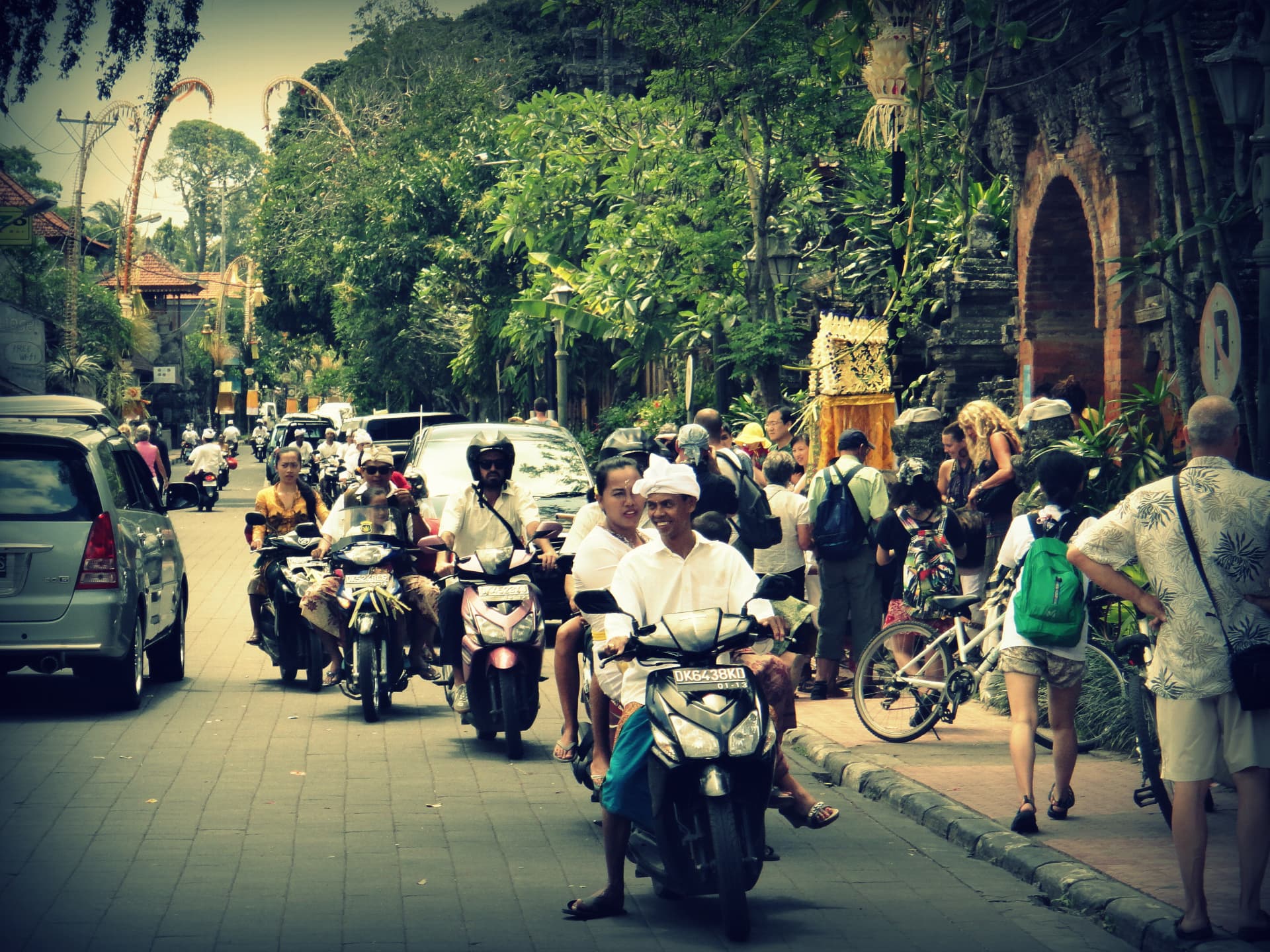
Here's the week most people book: Uluwatu one day, Ubud the next, a frantic scooter dash to a waterfall because it was on the list, then the Gili Islands tacked on at the end because "you can't not." It looks full. It looks efficient. It photographs well. It's also the expensive version. Not expensive like private-villa expensive. Expensive per day, for less of everything — less rest, less routine, less of the version of Bali where you actually get to know a neighbourhood instead of just visiting it. And that's the part almost nobody does the maths on before they book.
In Bali, the rushed trip is the expensive one.
If you're travelling solo, working with a real budget, and mildly suspicious of the whole Eat Pray Love narrative (fair), this guide is for you. One base, a proper routine, and — if the numbers below hold up, which they do — enough money left over to extend your visa instead of flying home early.
Who This Guide Is For
- Solo female travellers, first-timers or not, who want a destination that's genuinely manageable alone.
- Budget travellers who want their money to stretch across weeks, not days.
- Slow travellers who'd rather know one neighbourhood properly — same warung, same scooter rental guy — than collect five in ten days.
- First-time digital nomads testing whether the remote-work-from-paradise thing is actually for them, without committing to a year.
The Maths, Not the Mood
Here's the uncomfortable comparison. Book short stays at tourist rates and you're often paying USD 60–100 a night for accommodation alone — plus scooter or taxi fees every time you move between areas, because a rushed itinerary means constant moving. Multiply that across a week and you've spent more than a full month of slow, settled living would cost.
That's not a lifestyle opinion. It's just how Bali is priced. Villas, scooters, and visas here are built for people who stay, not people who sprint through.
Depth costs less than speed.
Bali Visa Costs in 2026: What You'll Actually Pay
This is the part everyone overcomplicates. Here's the short version.
Most visitors from eligible countries (including the US, UK, Australia, most of the EU, and Canada) use the Visa on Arrival (VOA) or its online equivalent, the e-VOA. Both cost the same and work the same way:
| Item | Cost (2026) |
|---|---|
| VOA / e-VOA | IDR 500,000 (roughly USD 30–35 depending on exchange rate and payment fees) |
| Validity | 30 days from arrival; e-VOA valid to enter within 90 days of issue |
| One extension | +IDR 500,000, for another 30 days |
| Total visa budget for 60 days | IDR 1,000,000 before any service or card fees |
| Mandatory Bali Tourist Levy | IDR 150,000 per person — pay online via Love Bali or official cashless channels |
| Overstay fine | IDR 1,000,000 per day; beyond 60 days risks deportation and a ban |


A few things worth knowing before you land:
- Apply for the e-VOA online before you fly if you can — it's the same price as getting it at the airport, but it skips the queue and is far less stressful landing at night.
- The Tourist Levy is separate from the visa and needs to be paid via the official "Love Bali" site before arrival, with the QR receipt ready to show.
- You'll need proof of onward travel — immigration generally wants to see a return or onward flight within your visa period, so book that flight (even a flexible, refundable one) before you go.
- Some nationalities get 30 days visa-free instead of needing a VOA — but that entry can't be extended, so if there's any chance you'll want to stay longer, get the VOA instead, even if it costs a bit more.
- Want longer than 60 days? That's where the VOA stops working. You'd need a different visa type (B211A or similar) arranged before arrival — worth researching separately if a month-plus stay turns into "actually, maybe two."
One honest caution: extension rules have gotten stricter. As of mid-2025, extensions must be processed in person at an immigration office, with fingerprints and a photo — it's not the rubber-stamp process it used to be. Budget a few hours, bring your passport and printed paperwork, and don't leave it to the last day.

Where to Base Yourself, Solo and on a Budget
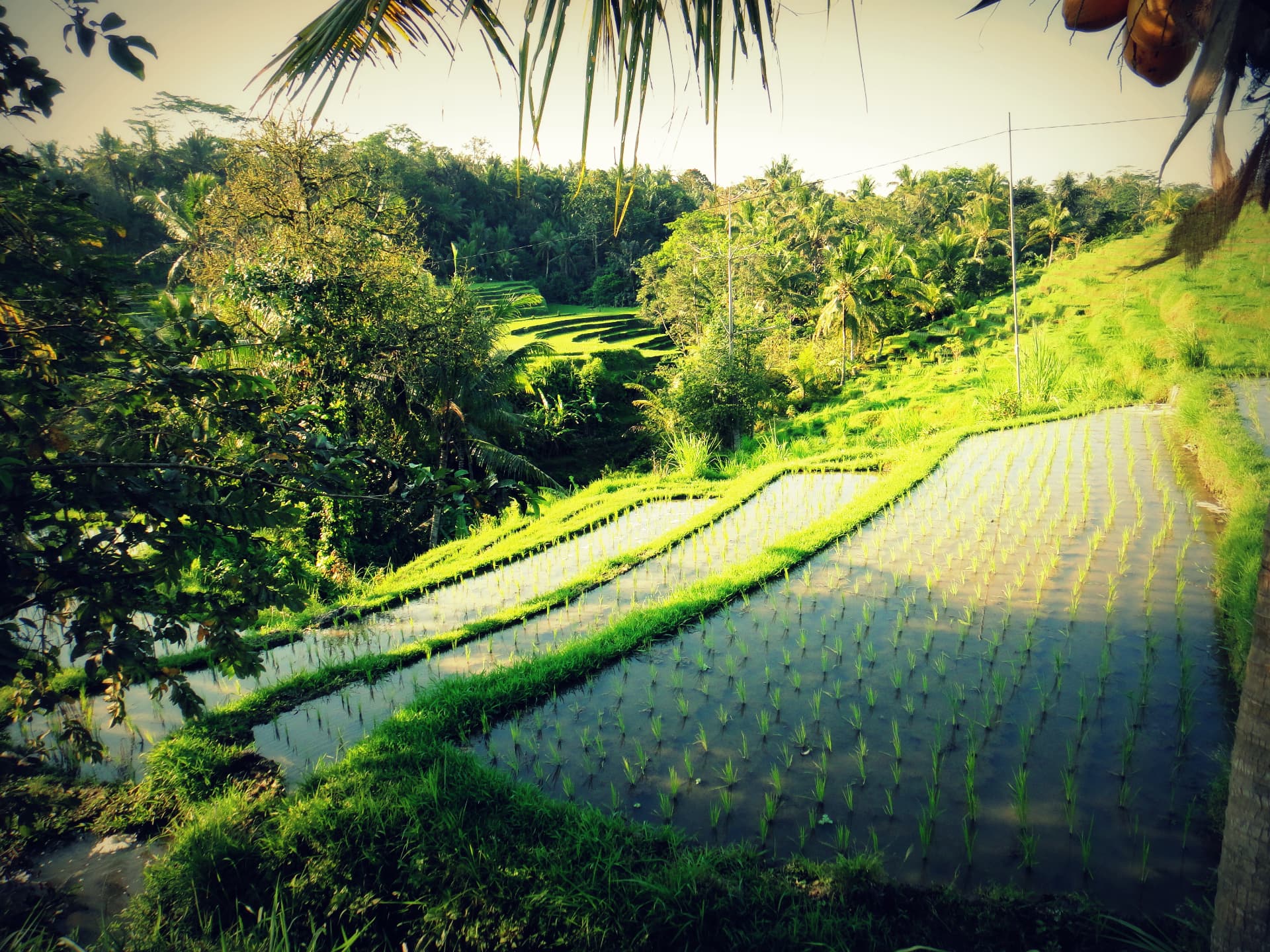
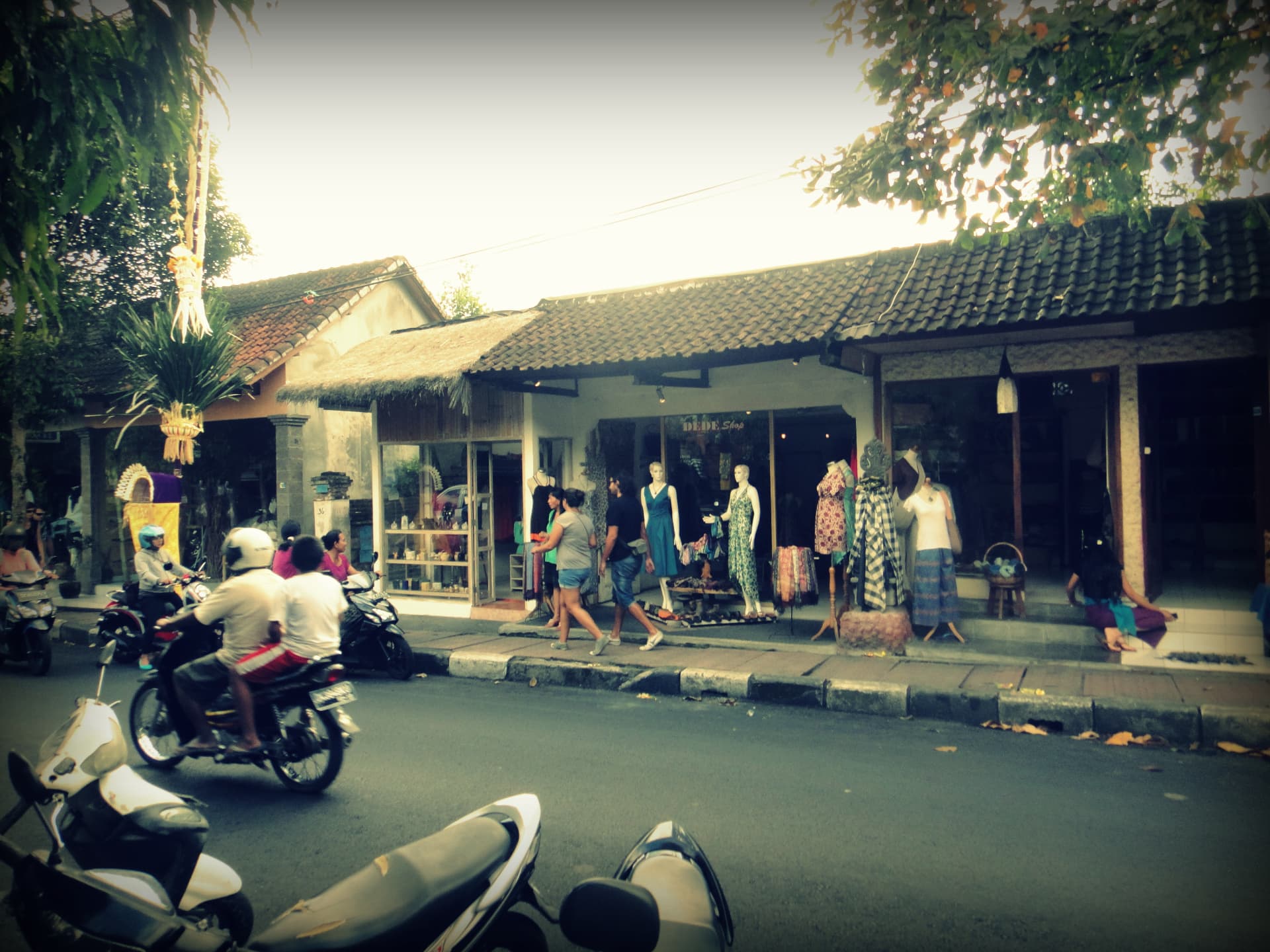
Bali rewards picking one area and actually settling into it. Pick your vibe first, then let the numbers confirm it:
| Area | Vibe | Good for | Rough monthly rent (private room/studio) |
|---|---|---|---|
| Canggu | Surf, cafés, biggest nomad/backpacker scene | First-timers wanting an easy social landing | USD 500–900 |
| Ubud | Quieter, rice paddies, wellness culture | Solo travellers who want calm over nightlife | USD 400–700 |
| Sanur | Calm, established, beach path, local-family feel | Safety-first travellers, slower pace | USD 400–700 |
| Pererenan | Canggu-adjacent, quieter, increasingly popular | Social access without sleeping in the chaos — sometimes better value, but rising fast | USD 500–800 |
| Uluwatu | Cliffs, surf, sunsets, spread out | Confident solo travellers and scooter users — less walkable than other areas | USD 400–900 |

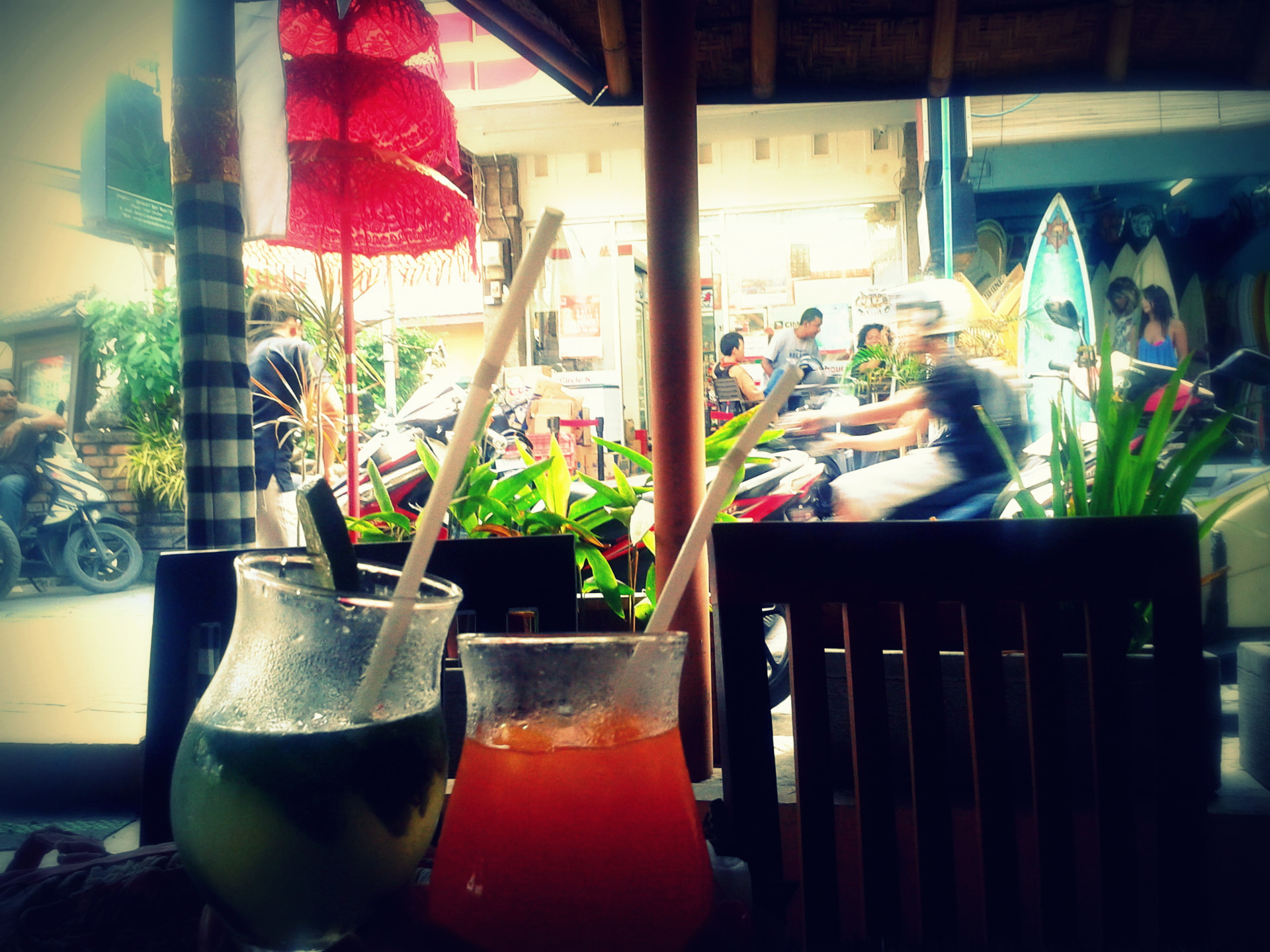

For a first solo trip, Canggu or Ubud are the easiest landings — both have dense expat and traveller communities, plenty of English spoken, well-trodden coworking cafés, and enough other solo women around that you won't feel like the only one figuring it out.
What a Slow Month in Bali Actually Costs
So here's the number the rushed-week traveller never sits down to calculate. A realistic monthly budget for one person travelling solo, keeping costs sensible rather than luxurious:
- Accommodation: USD 400–700/month for a private room or simple studio outside peak season.
- Food: USD 150–250/month if you mostly eat at local warungs (USD 2–4/meal) with the occasional café treat.
- Scooter rental: USD 50–70/month, plus roughly USD 10–15/month in fuel.
- SIM/data: USD 10–15/month for a solid local eSIM or SIM card.
- Coworking (optional): USD 40–90/month for a proper desk and reliable wifi, or USD 0 if you're happy working from cafés.
- Visa costs (60 days): IDR 1,000,000 total (roughly USD 55–60 depending on exchange rate at time of payment).
Total realistic monthly budget: roughly USD 700–1,100, depending on how often you eat out at Western-style restaurants versus warungs.
That's the whole, slightly subversive point of slow travel in Bali: the version that feels indulgent — a full month, one address, a routine — is very often the cheaper one per day. The fast version just hides its cost in constant movement.
A slow month can cost less than a fast week.
Solo Female Travel in Bali: The Honest Version
The scooter will worry you more than any person does.
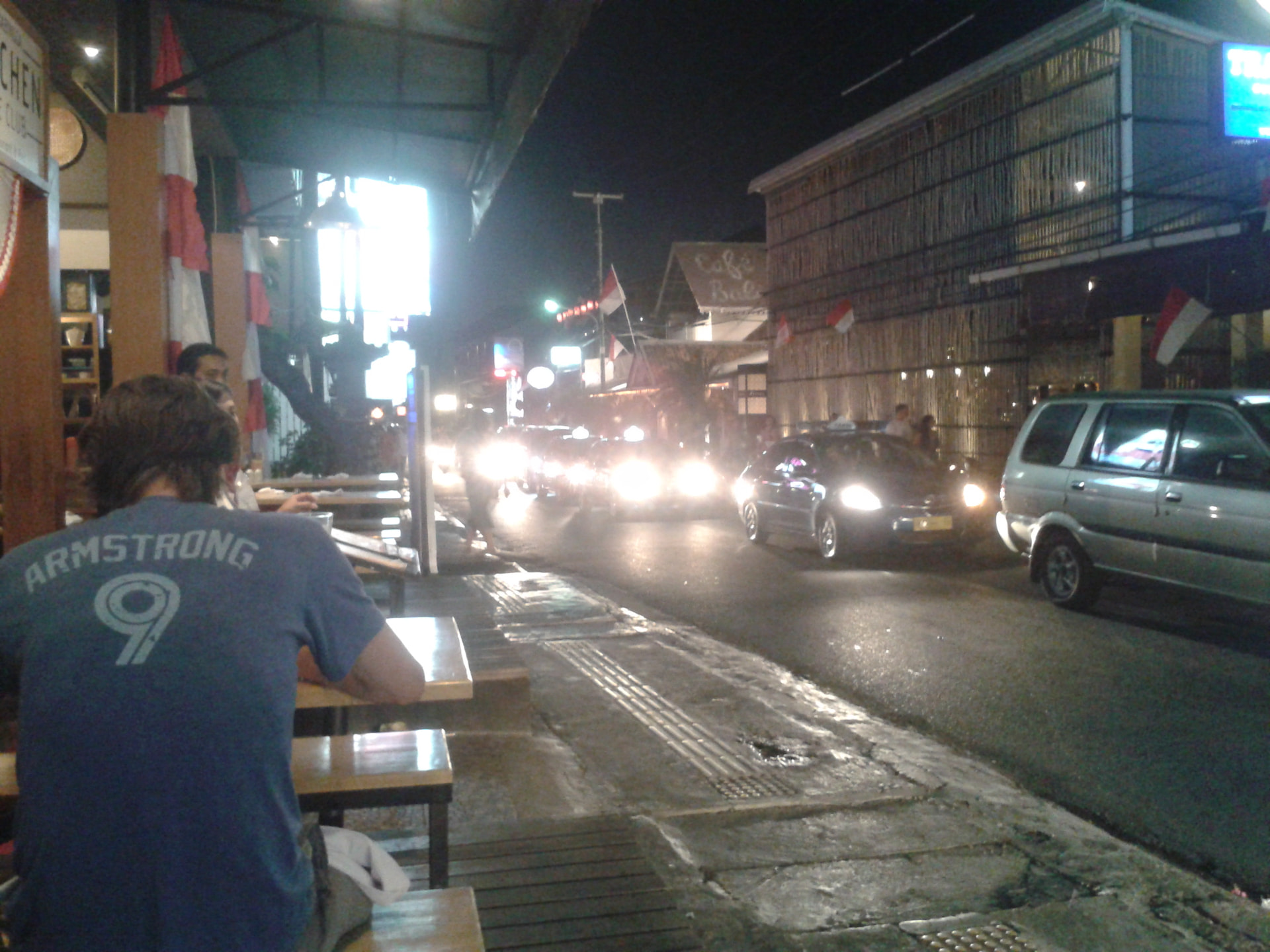
Bali is genuinely one of the more manageable destinations for solo female travellers — English is widely spoken, the tourist and expat infrastructure is extensive, and the local culture is generally warm toward visitors. That doesn't mean "nothing to think about." A few practical, non-alarmist notes:
- Scooter safety is the real risk, not crime. Bali's roads are chaotic, helmets are often poor quality, and traffic police have been enforcing licence checks more strictly. Bring an international driving permit and your home licence, wear a proper helmet (buy your own if needed), and don't ride at night until you're confident with the roads.
- Choose accommodation with reviews from solo women specifically, not just good reviews generally — co-living spaces and women-friendly guesthouses in Canggu and Ubud are easy to find and worth the small premium for peace of mind early on.
- Sun and stomach issues are far more likely to ruin your week than anything dramatic. Pace your first few days, drink bottled or filtered water, and don't underestimate how strong the sun is even on cloudy days.
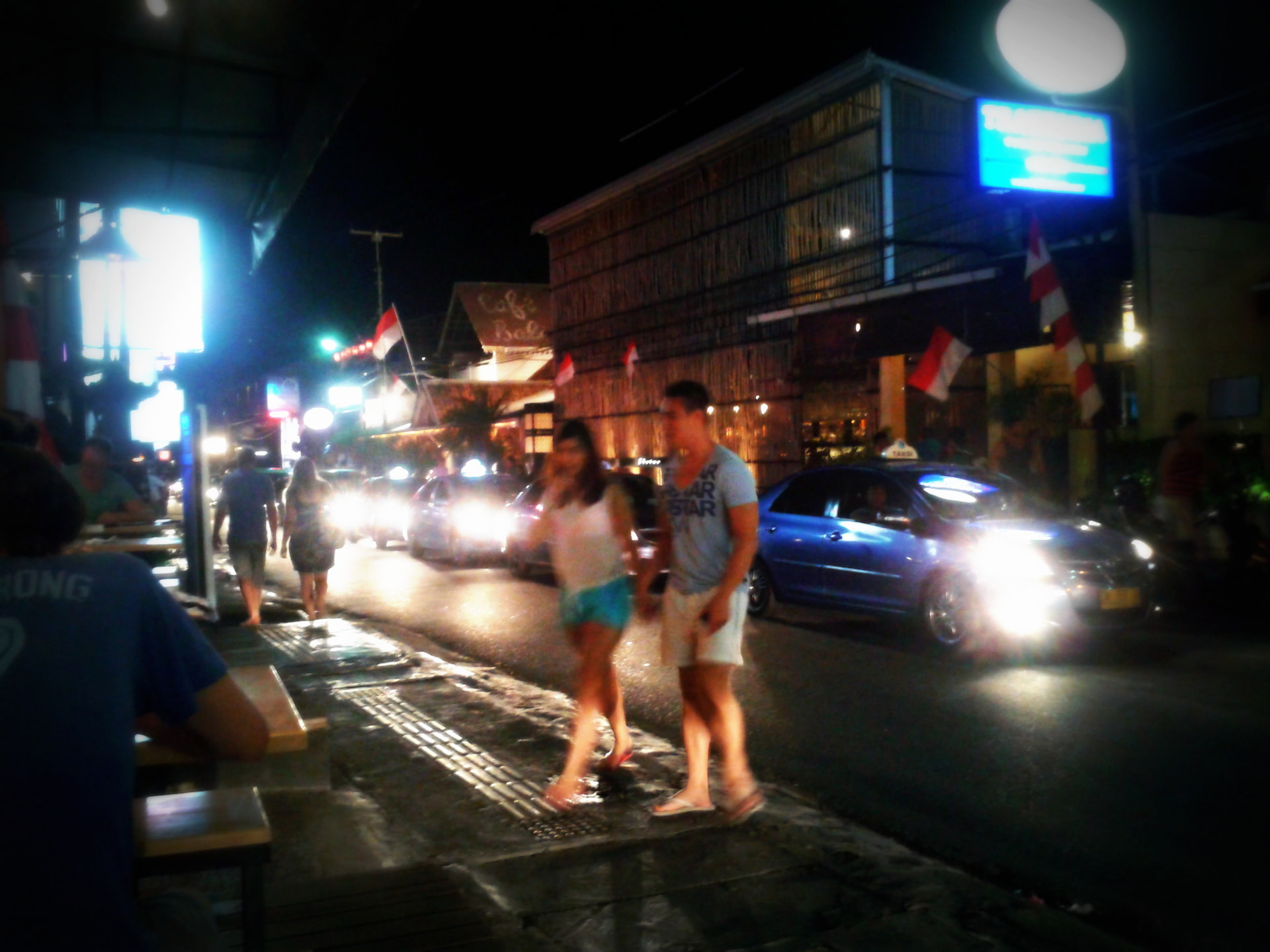
- Solo doesn't mean alone unless you want it to. Coworking spaces, yoga studios, and surf lessons are the easiest, lowest-pressure ways to meet people without the forced energy of a hostel common room (though those work too, if that's your style).

A Realistic Slow Itinerary: One Month, One Base
Rather than a country-hopping checklist, here's the shape of a month done slowly.
Week 1 — Let Your Nervous System Catch Up
Find your warung, your coworking spot or café, your scooter rental. Don't sightsee hard yet — let your body catch up with the time zone and the heat before you ask it to do anything else.
Week 2 — Explore Your Patch
Start exploring your immediate area properly — waterfalls, beaches, and temples within an hour's scooter ride. One outing every day or two, not five in one day.
Week 3 — Break Your Own Routine, Once
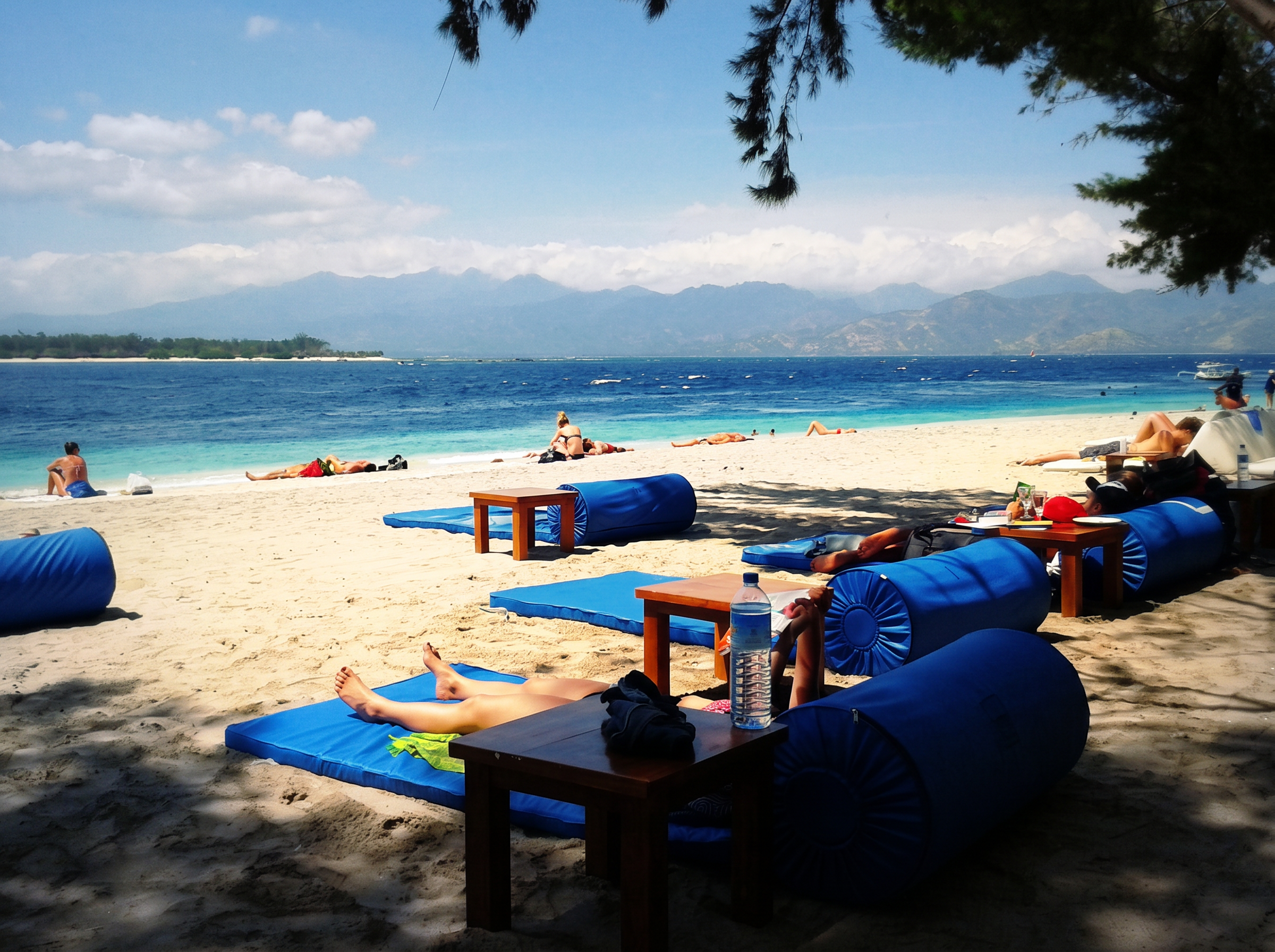
Consider one short trip outside your base — Uluwatu for a day, or the Gili Islands for two or three nights if you're craving a change of scene. Then come back "home."
Week 4 — Come Back to What You Loved
Revisit your favourite places. By now you'll have a routine, a few familiar faces, and a much clearer sense of whether Bali — or slow travel generally — is something you want to do again.

Before You Book
You've got the real numbers now — visa, rent, food, the whole month, laid out honestly instead of rounded up for effect. So the only question left isn't really "can I afford this." It's whether you book the slow month, or talk yourself back into the ten-day version because it feels safer to plan.
It isn't. It's just shorter.
If this is your first time considering Bali specifically — the surf towns, the smell of incense on every corner, the very first hit of Southeast Asia — you might want to read about what a first trip there actually feels like before you commit to a whole month of it.
Frequently Asked Questions
Is Bali safe for solo female travellers in 2026?
Generally yes — Bali has a long-established tourist and expat infrastructure, and serious crime against tourists is relatively rare. The bigger practical risks are scooter accidents and sun/stomach issues, both manageable with basic precautions.
Do I need a visa to visit Bali?
Most nationalities need either a 30-day visa-free entry (non-extendable) or a Visa on Arrival/e-VOA at IDR 500,000 (roughly USD 30–35 depending on exchange rate and payment fees), extendable once for another 30 days. Always check current eligibility for your specific nationality before booking, since the approved-country list can change.
How much does a month in Bali cost for a solo budget traveller?
Roughly USD 700–1,100 for accommodation, food, transport, and visa costs combined, depending on location and how often you eat out versus cook or eat at warungs.
Is Canggu or Ubud better for a first solo trip?
Canggu offers an easier social landing with a large nomad community and lots of English-speaking infrastructure; Ubud offers a calmer, slightly cheaper alternative with a strong wellness scene. Neither is "wrong" — it depends on whether you want buzz or quiet.
Can I extend my Bali visa once I'm there?
Yes, the VOA/e-VOA can be extended once for another 30 days, but as of mid-2025 this requires an in-person visit to an immigration office with fingerprints and a photo. Start the process at least 7–14 days before your visa expires.
Keep exploring
Stories, places and books to keep the daydreaming going.

The Slovenian Surf Instructor Who Made Bali Feel Like Home
Inspiration · 9 min read
Read the story

Eat, Pray, Love
by Elizabeth Gilbert · Italy, India & Bali