
The Slovenian Surf Instructor Who Made Bali Feel Like Home
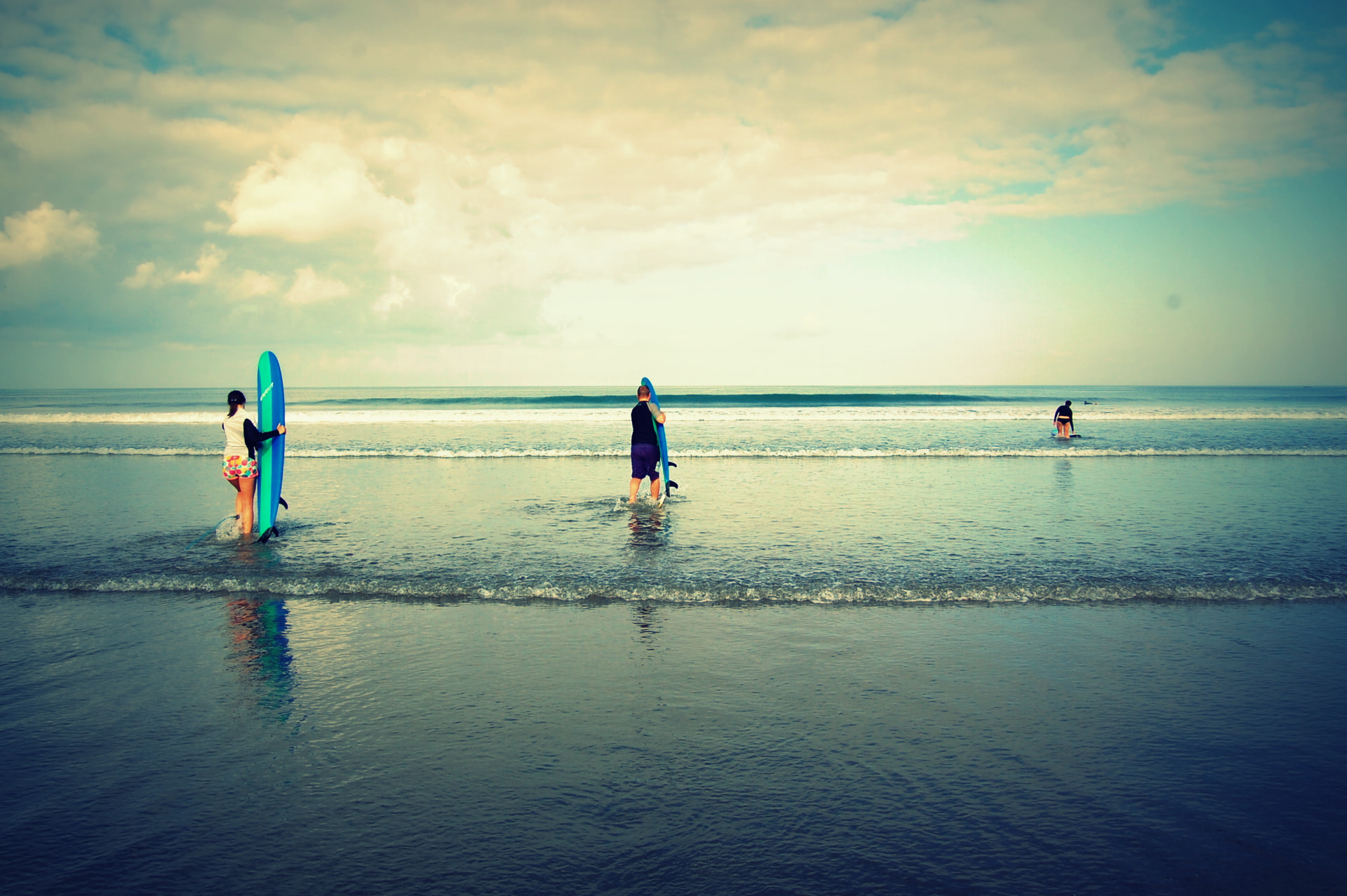
It started as a joke, in the middle of winter. A friend asked what I was doing for summer. I had no idea. “How about surfing somewhere you don’t need a neoprene suit?” she said. Where’s that, I asked. “Bali.” I remember my exact reaction was something close to OMG, are you serious. It was a ridiculous idea for about a week, and then it just quietly became the plan.
We found a Slovenian surf school, which turned out to be the easiest possible way to do a hard thing for the first time. It was 2012. End of August into September. Fifteen days, with a friend, and it was my first trip to the other side of the world — my first time in Asia, full stop.
Somewhere on the walk from our guesthouse to the beach, there was always something burning. Not in a bad way — I want to be clear about that, because it sounds like it should be a bad way. It wasn’t. It was incense, mostly, drifting out from a hundred tiny banana-leaf offerings left on doorsteps and shop counters, mixed with something else in the distance I never quite identified. That smell is still, more than a decade later, one of the clearest things I remember about Bali. Before the surfing, before the temples, before any of it — it was that smell that told me I wasn’t in Europe anymore.
The smell told me I wasn’t in Europe anymore, before anything else did.
Kuta, and a Surf Instructor Who Felt Like Home
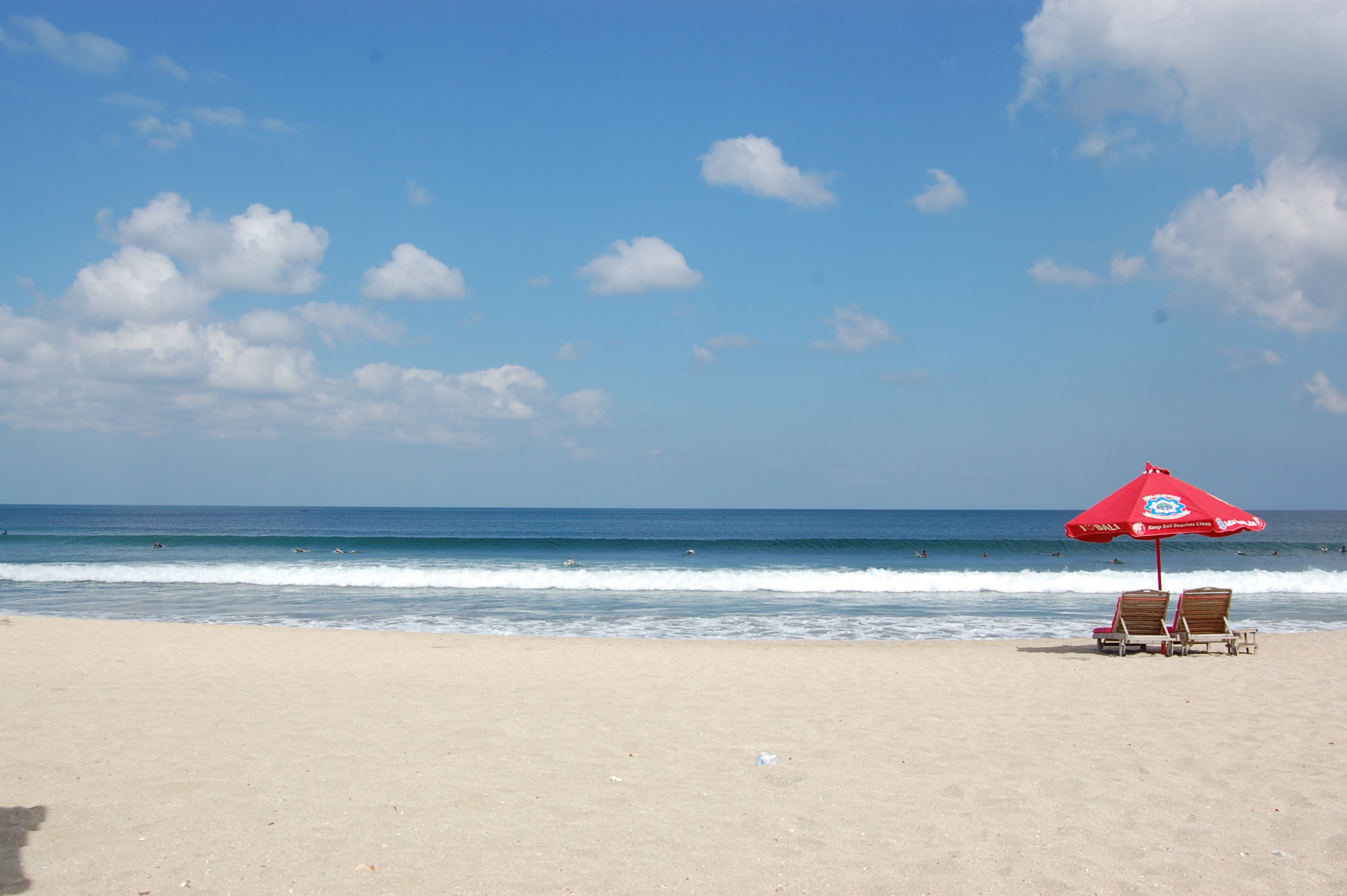
We’d booked a week of surf lessons before we even landed, based right near Kuta Beach — close enough that we could walk down every morning in board shorts with sand already in our shoes from the day before.
(Browse surf lessons in Kuta on GetYourGuide)
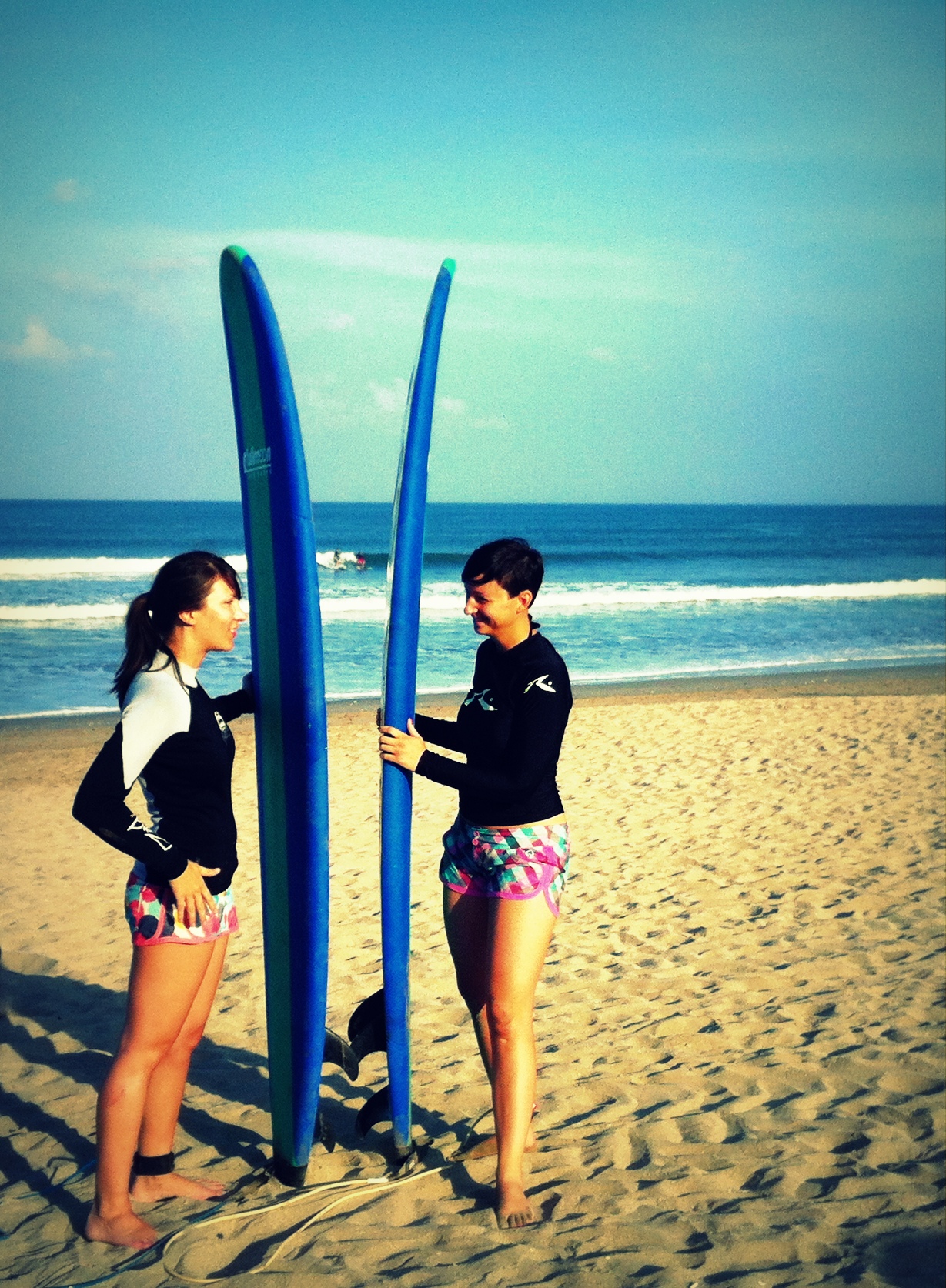
Here's the detail I still can't quite believe, and the one I tell people first when this trip comes up: our surf instructor was Slovenian. Out of everywhere in the world I could have landed for my first proper “other side of the planet” trip, I ended up learning to surf from someone who, in a roundabout way, felt like home. It softened the whole thing. Asia is a lot, the first time — the heat, the noise, the sheer unfamiliarity of it — and having one person there who understood exactly where I was coming from, literally, made the rest of it easier to fall into.
He picked us up himself from Denpasar airport, which meant we skipped the whole disoriented-backpacker-at-arrivals phase most first-timers go through. And the week turned into far more than surf lessons. Between sessions, he showed us around — the night market, the best massage spot, how to actually bargain instead of just paying whatever number came first, which food was worth trying and which stalls to trust. It was less like hiring an instructor and more like being handed a local translator for a culture we’d have otherwise had to figure out the slow, clumsy way.
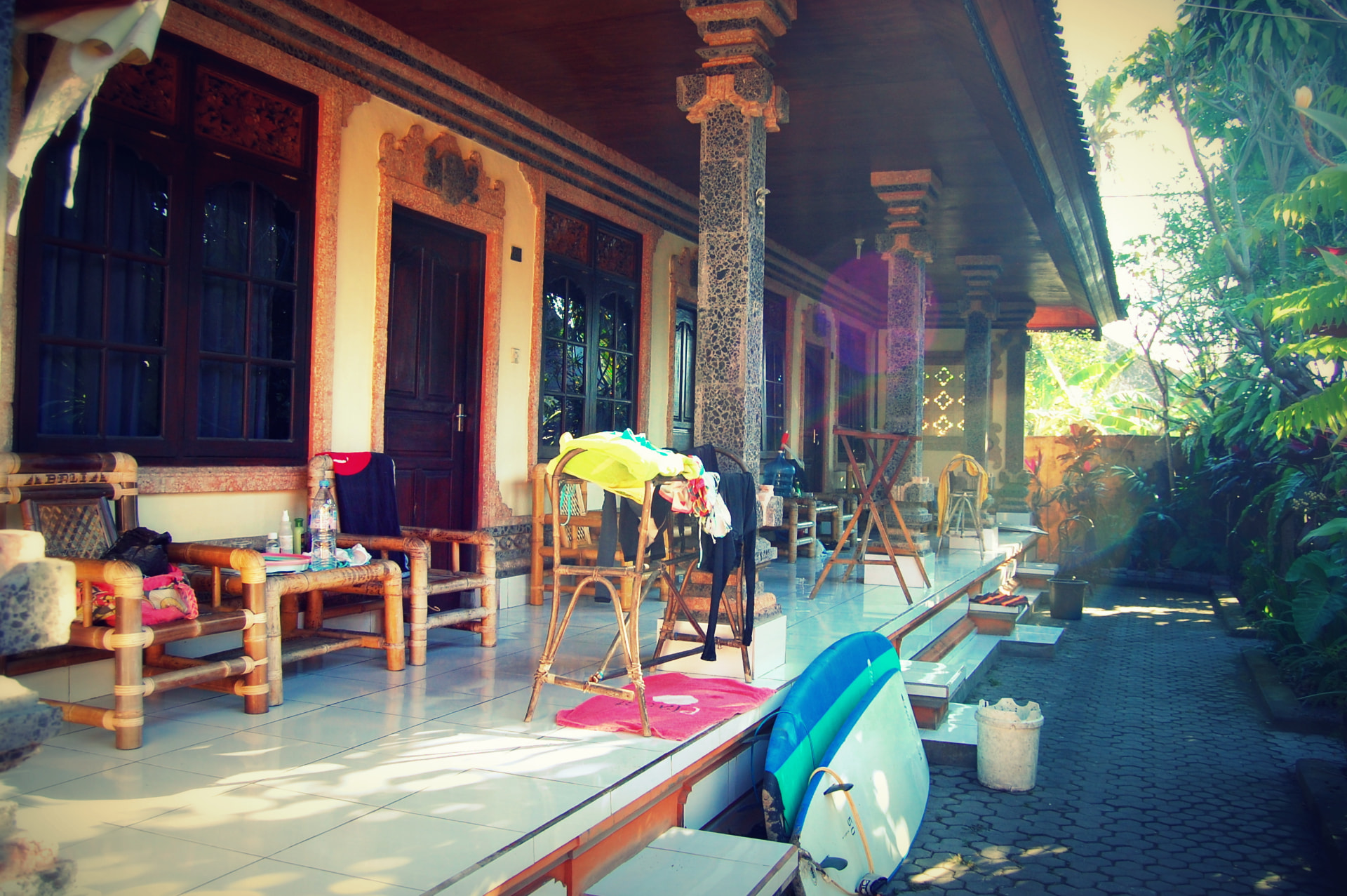
We stayed close to the beach, in the same area the instructors themselves were based — which meant we weren’t really staying near the surf scene, we were staying inside it. Same crew every morning, same faces at the same warung by the end of the week.
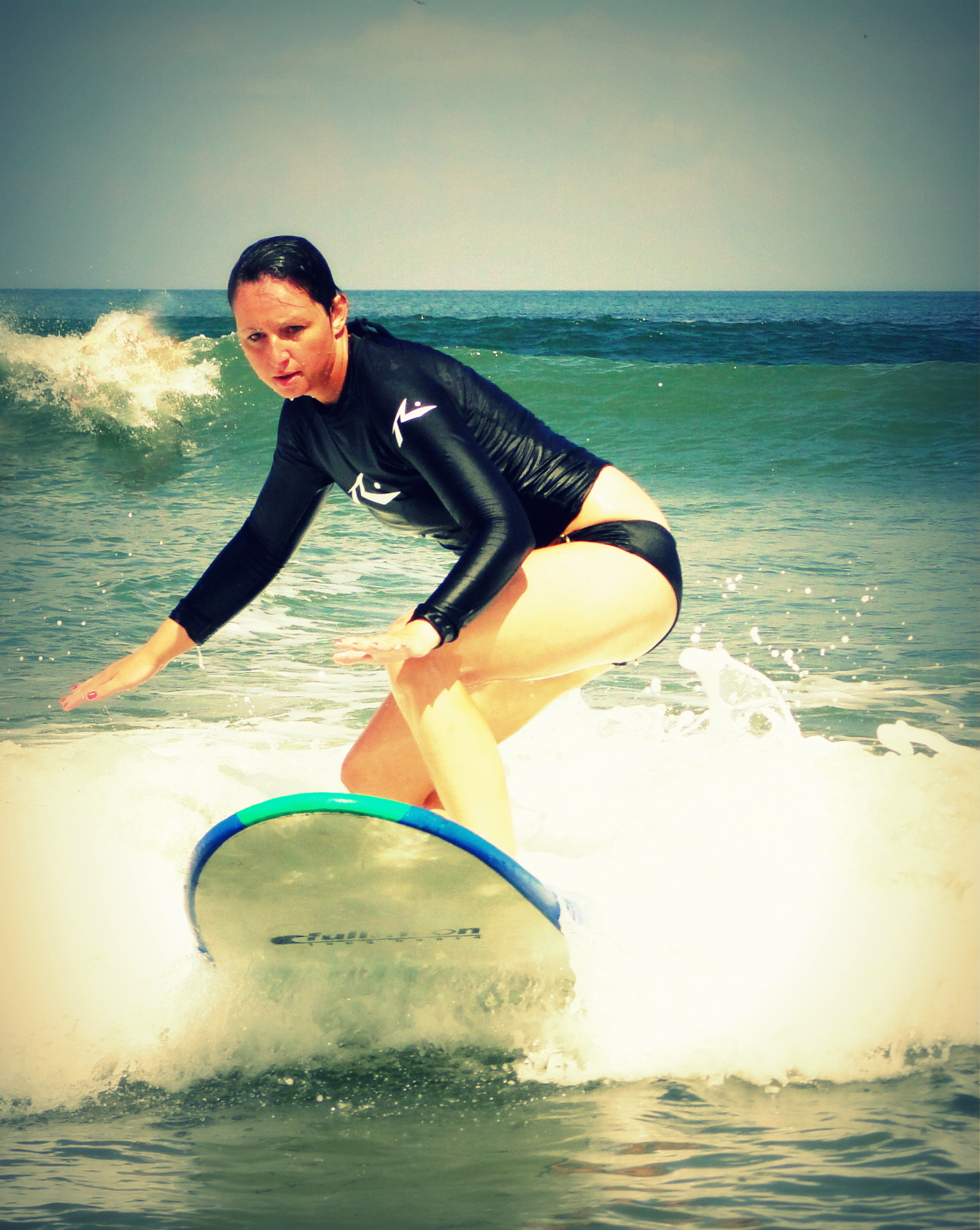
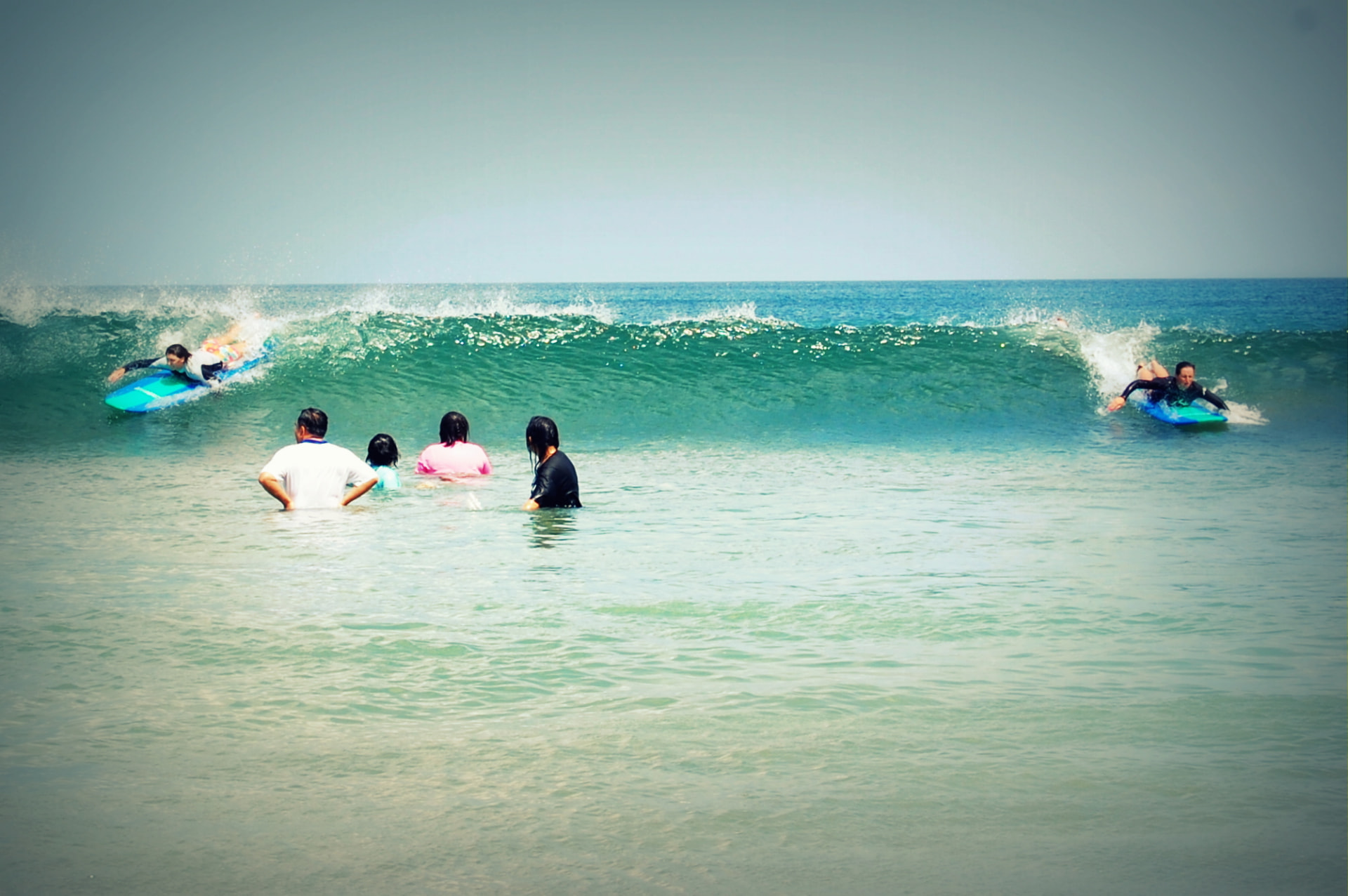
By day seven, I stood on the board. Actually stood, actually rode something in, not just wobbled and fell like the first four days. I remember it more clearly than I remember most of the rest of the trip — that specific, ridiculous triumph of a thing your body finally agreeing to do what you’ve been asking it to do all week.
What Kuta Actually Felt Like
Kuta gets a reputation — party strip, tourist chaos, not the “real Bali.” Some of that’s fair. Some of it is also the whole point. Nobody seems to actually love Kuta. I did. By the end of the first week I knew which corner sold the good mango juice and which side street had the good massage place. It had stopped being a hotel address and started being ours — which mattered later, because Kuta wasn’t actually the end of the trip. It was also where we came back to.
At night, it was everywhere at once: karaoke bars, several-floor clubs, cold bottles of Bintang, arak cocktails — a cheaper local spirit standing in for the imported stuff, doing a surprisingly good job of it — and something happening on basically every corner, every single night. If you wanted noise and people and a slightly chaotic good time, Kuta gave you that without asking twice.
Pick your vibe. Bali doesn’t mind which one you choose.
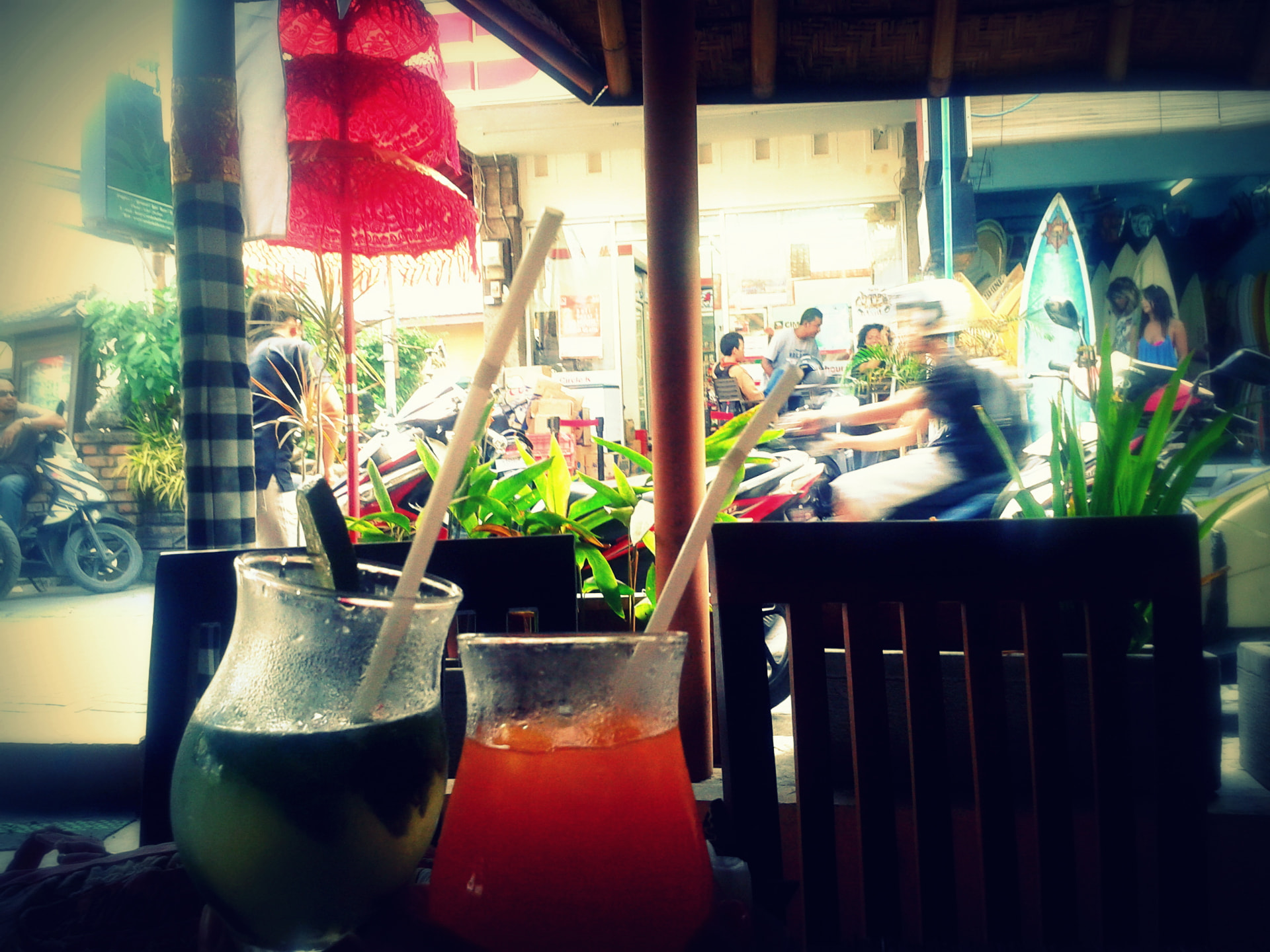
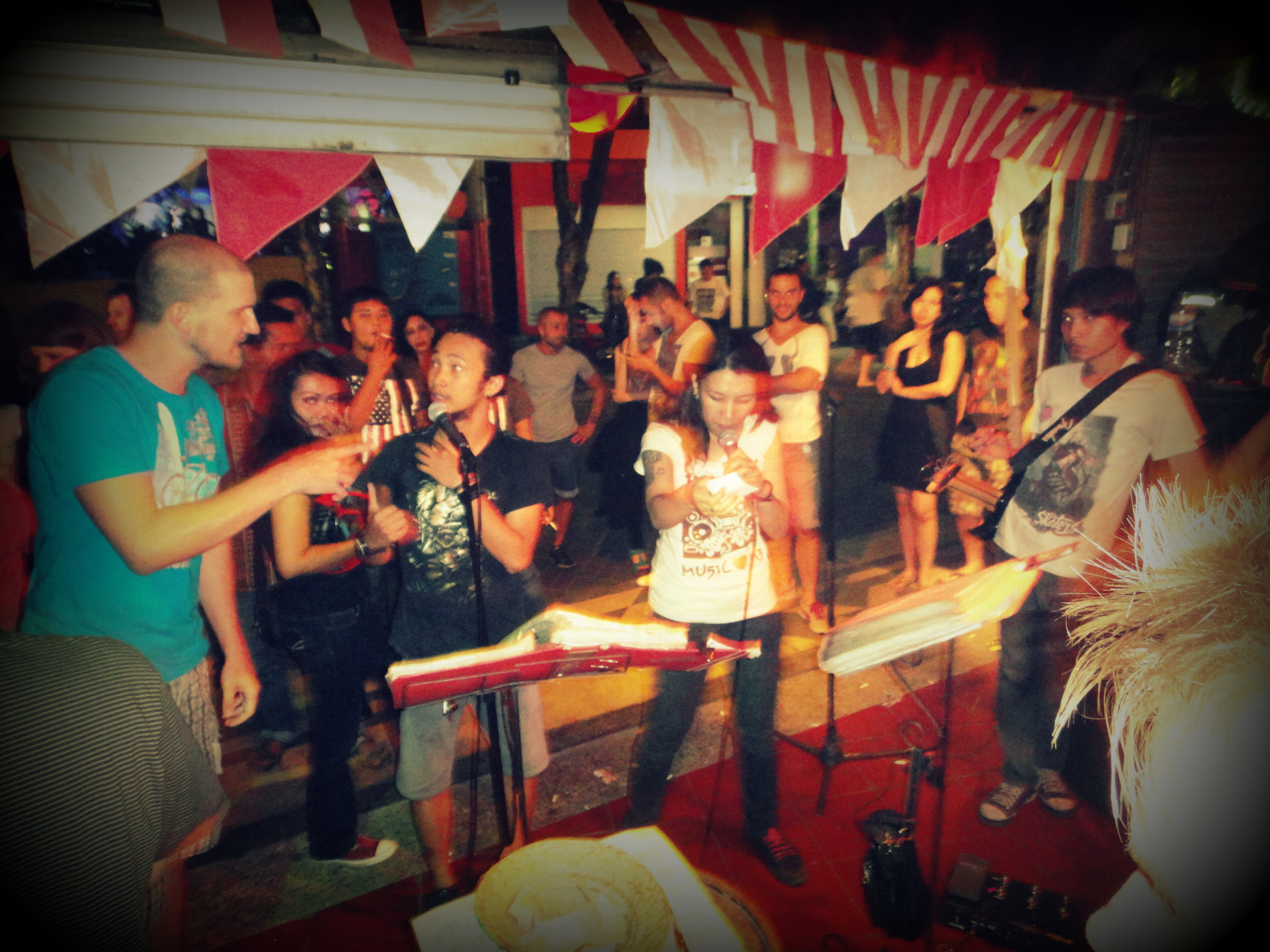

But that wasn’t the whole night, every night. Some evenings we went the other way entirely — a quiet, proper restaurant instead of the noise, and it was the total opposite experience, and somehow that contrast was the good part. You didn’t have to choose Kuta’s personality once and live with it for the week. You got to pick your vibe on any given evening, and both versions were fully, unapologetically there.
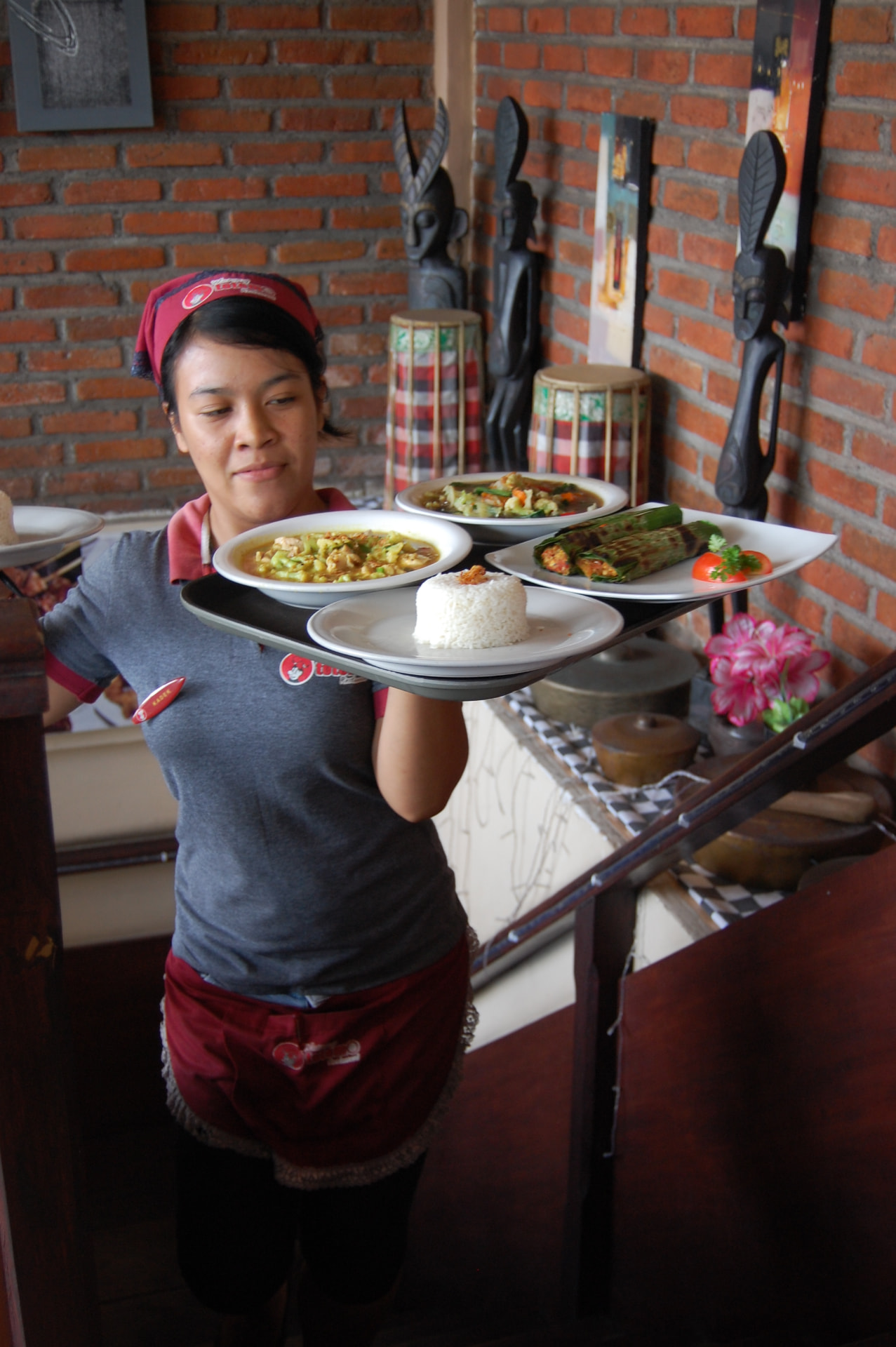
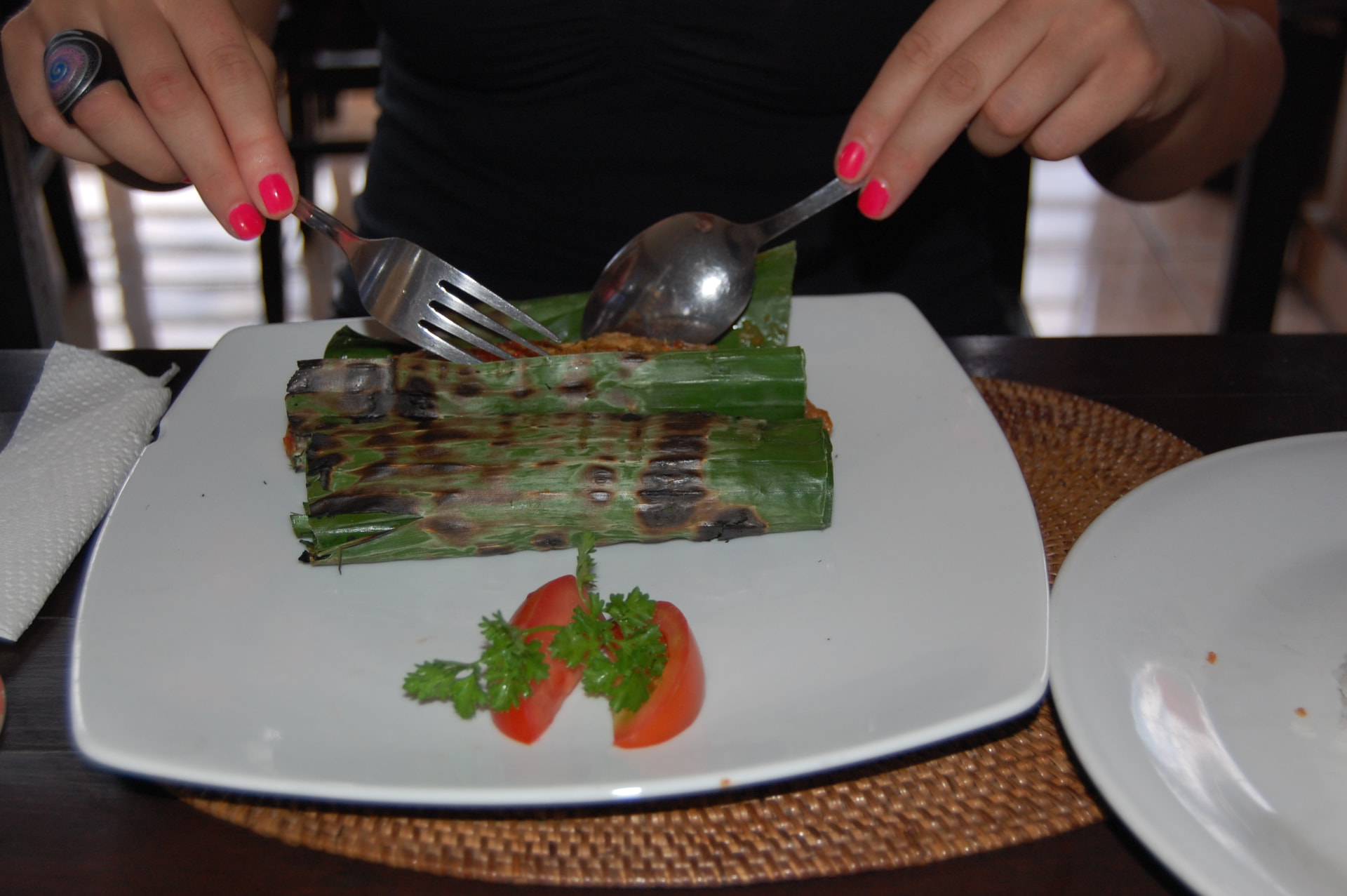
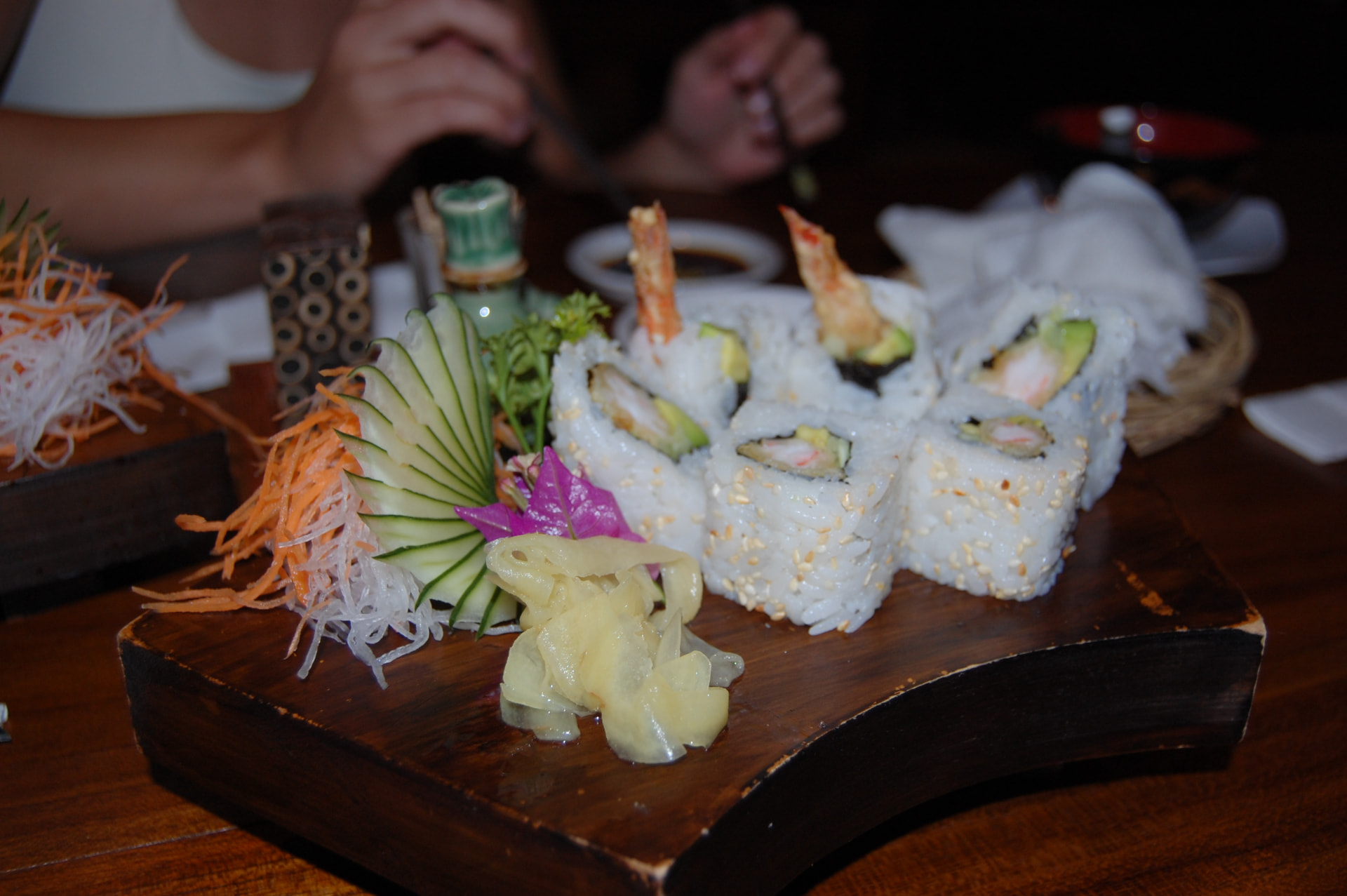
The food, if you’re into Asian flavours generally, is something else. I still think about specific meals from that trip — the kind of specific you only get from a cuisine that wasn’t in heavy rotation back home yet. We did both ends of it: the night markets, chaotic and cheap and delicious, and the nicer restaurants when we wanted to sit down properly. Do both. They’re not competing versions of the same experience — they’re two different ones, and you’d be shortchanging the trip to only do one.
The Small Rituals I Fell in Love With
This is the part that’s harder to explain to people who haven’t seen it, and it’s the part I think about most now.
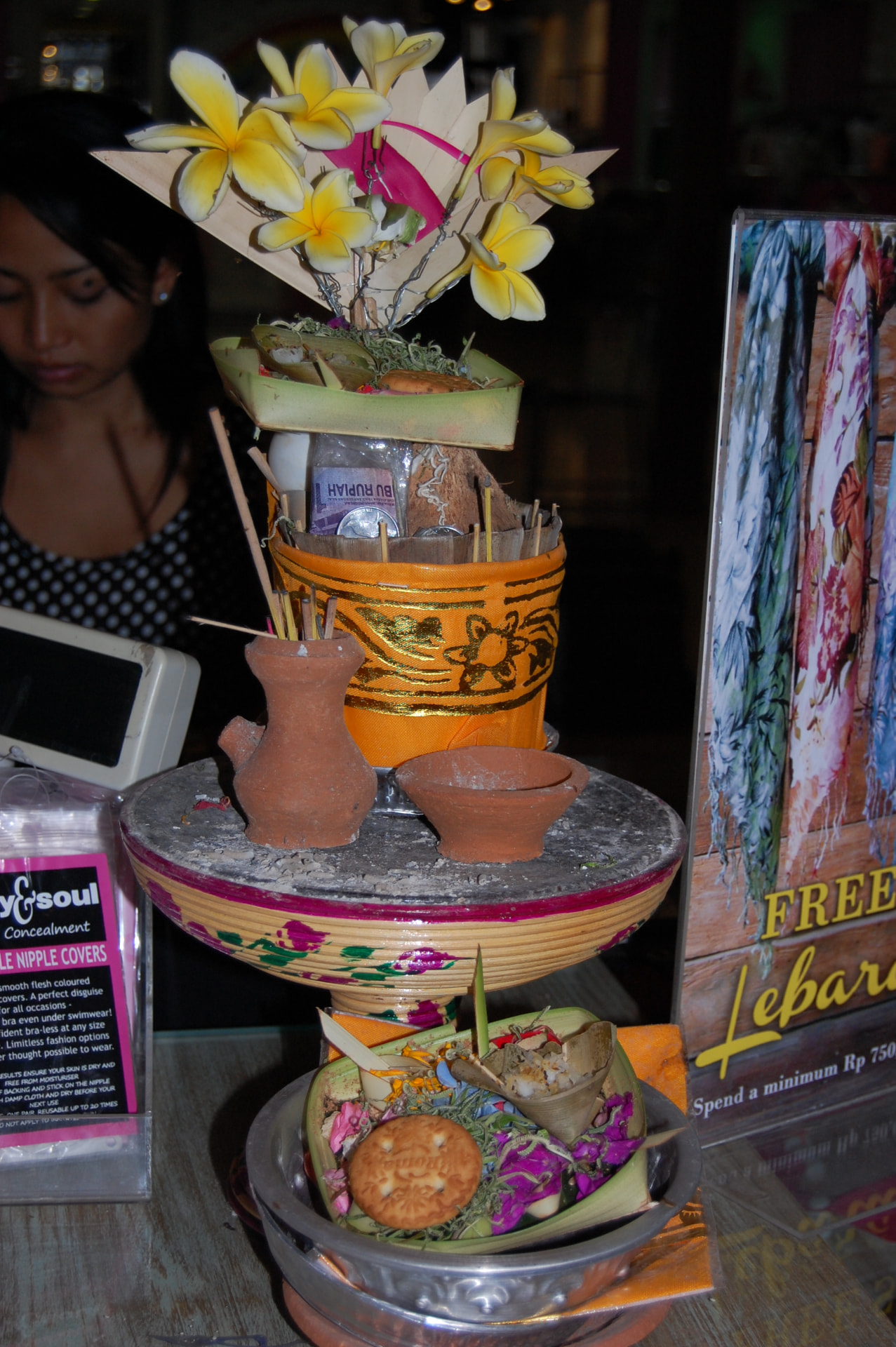
Everywhere — genuinely everywhere, doorsteps, shop counters, the dashboard of a scooter, the base of a tree — were these tiny woven banana-leaf packages. Offerings. Small gifts left out for the gods, refreshed daily, with flowers and rice and incense sticks burning gently beside them. Nobody made a show of it. It wasn’t for us, the tourists. It was just what Tuesday looked like, all over the island.
I’d never seen anything like it — a whole culture quietly practising gratitude and ritual in public, in tiny daily gestures, without any of it being performative. That, more than any single beach or temple, is the thing that made me fall in love with the place.
Uluwatu and Jimbaran, Between Surf Lessons
We didn’t spend the whole week in the water. A couple of afternoons took us further out — not far, just enough to feel like a proper outing — to two spots I still think about specifically: Uluwatu and Jimbaran.
(There’s a combined Uluwatu Temple sunset & Jimbaran Bay tour on GetYourGuide that covers both stops in one trip)
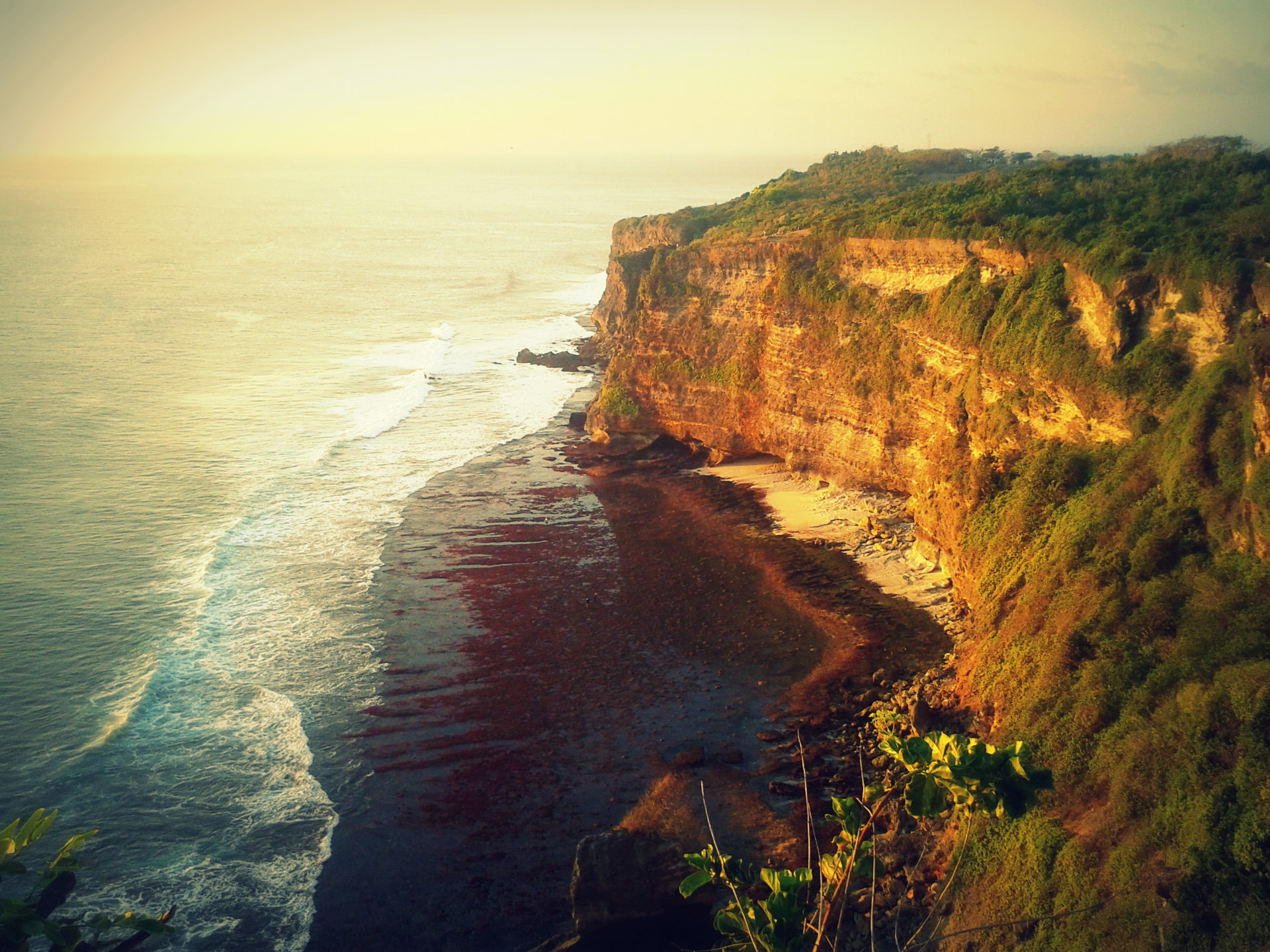
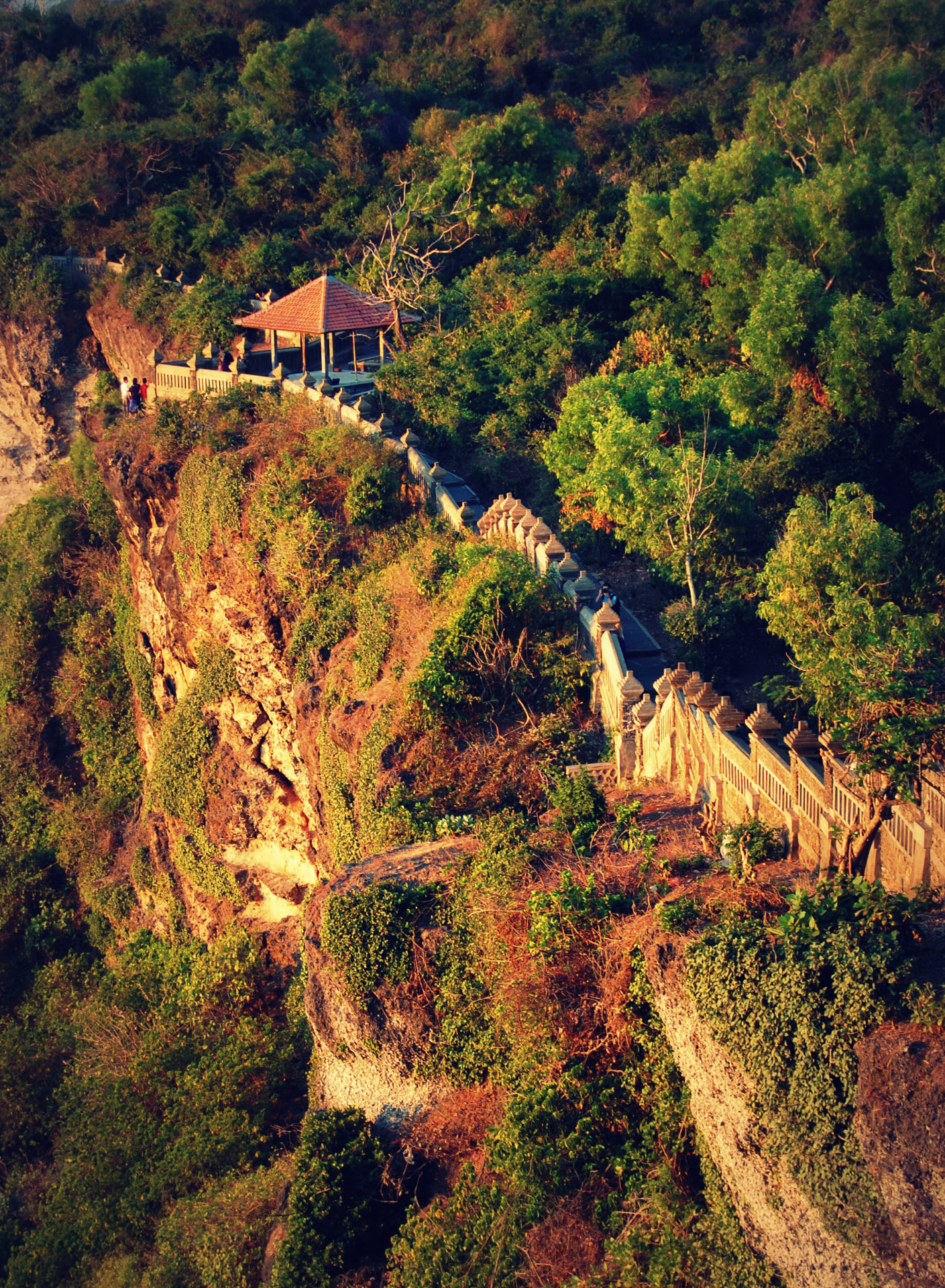
Uluwatu Temple sits on a cliff edge, and we went for sunset, which is apparently what everyone does and for once the obvious choice was entirely correct. The temple itself, the cliffs, the ocean doing its thing directly below you as the light changed — it’s the kind of view that makes you go quiet for a minute, which for two chatty backpackers was saying something.
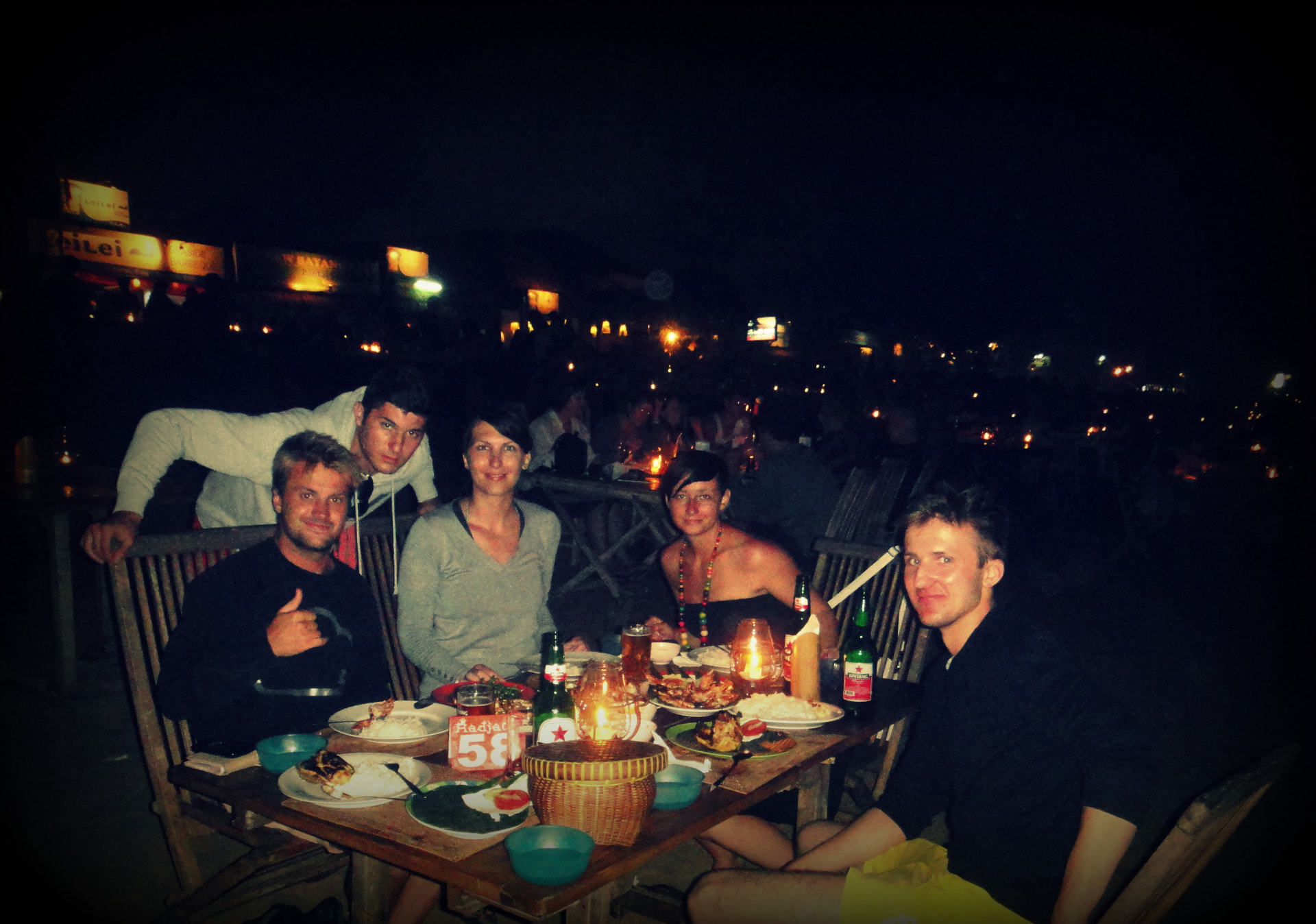
Jimbaran was its own thing entirely — a day trip for lobster dinner, eaten at a table set up literally in the sand, toes in it, the tide close enough to hear. I’d never eaten lobster before that night, and it was cheap enough there that trying it for the first time wasn’t even a decision, just an obvious yes. Simple, unfussy, completely unforgettable. Not because it was the best lobster I’ve ever had (it might have been, but that’s not really the point), but because of exactly where and how I ate it.
Some meals aren’t about the food. They’re about where your feet are while you eat it.
The Chaos, the Scooters, and Feeling Like a Millionaire
Bali in 2012 was loud in the best way — scooters everywhere, weaving through traffic in a way that looked genuinely dangerous and somehow never was, horns as a form of conversation rather than aggression. It took a day or two to stop flinching. Then it just became the rhythm of getting around, and I missed it for months after we got home.
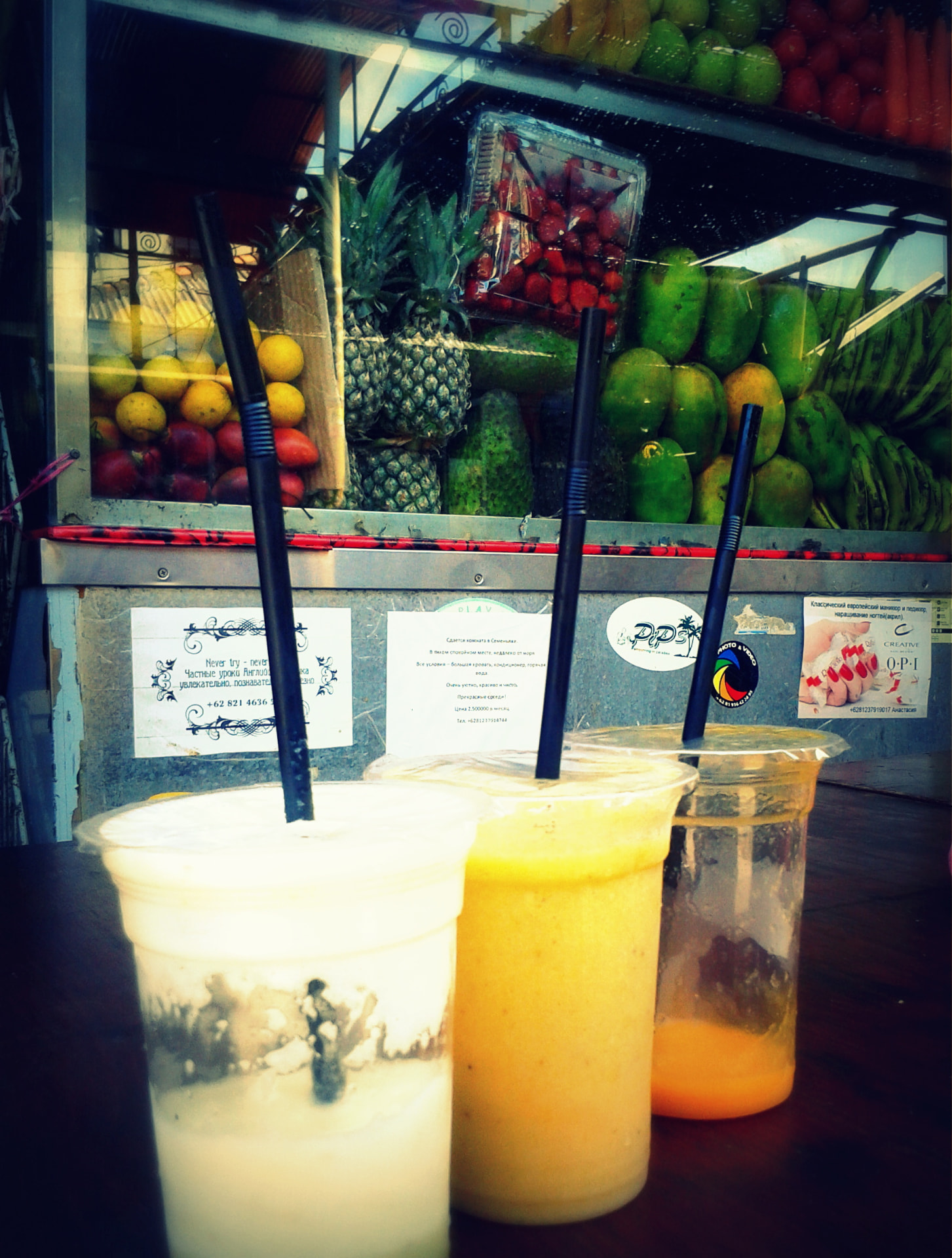
One small, specific memory that’s stuck with me completely out of proportion to its actual importance: walking into an ATM, withdrawing what the screen told me was one million rupiah, and walking out feeling — genuinely, if briefly — like a millionaire. And it wasn’t just the number on the receipt. It was the actual amount of cash in my hand and what it could do. A massage was five dollars. A fresh mango juice at the night market was sixty cents. Wooden jewellery at the local stalls was a dollar a piece, so I bought far more of it than I needed, one bracelet at a time, because saying yes cost almost nothing to say. I felt like a kid let loose in a candy store.
I still remember the guys at one of those jewellery stalls, grinning at me by the end of the conversation, telling me I had a beautiful big nose — bigger than the local women’s, they said, and they meant it as a genuine compliment. I had short hair back then too, which apparently made me stand out just as much, since most of the women there wore it long. Everybody noticed. It’s such a small thing, being told your nose or your haircut is beautiful by total strangers on the other side of the world, but I’ve never forgotten it.
That, and the sheer number of new people — locals who were some of the warmest, most easily kind people I’d ever met, and fellow travellers we kept bumping into at the same beach, the same warung, the same sunset spot — made the trip feel bigger than fifteen days. It was the first time I really understood what people mean when they say travel changes how you talk to strangers.
Mornings had their own small rituals too — banana pancakes most days, or just toast and coffee before the first surf session, the kind of breakfast that means nothing at home and everything on holiday.
Coming Back to Kuta
The surf week wasn’t actually the end of our time in Kuta — just the beginning of it. From there we moved on to the Gili Islands, then inland to Ubud, and when the trip finally looped back around, it brought us back to Kuta for two more days before flying home out of Denpasar.
By then it felt completely different to arrive there. Not as somewhere new and slightly overwhelming, the way it had on day one, but as somewhere we already half-knew — the same corner for mango juice, a massage before the flight, one last plate of something from the night market. Coming back to Kuta felt like coming home, which is a strange thing to say about a place I’d known for less than two weeks.
What I’d Tell That Version of Me
We were on a proper budget back then — nothing about that trip was luxurious, and it didn’t need to be. It was still, easily, one of the best trips I’ve ever taken, and one that left me wanting more the second we landed back home.
It made me fall in love with Asia. It’s still not done with me.
If you’re planning your own first trip like this — a week of surf lessons, a base near the beach, a few day trips out to the places that make you go quiet — book the surf lessons and your first few nights before you land, and leave the rest loose enough to follow whatever you stumble into. That looseness is where most of my actual memories came from.
If you’re weighing up whether to do Bali fast or slow, budget-conscious or otherwise, our guide to Bali on a Budget walks through the practical side — visas, costs, where to base yourself — for the version of this trip you’re planning now.
Frequently Asked Questions
Is Kuta a good place to learn to surf?
Yes — Kuta Beach is one of Bali’s classic beginner breaks, known for long, gentle, consistent waves that make it easy to progress quickly. Multi-day beginner packages (typically 3, 5, or 7 days) are widely available and are a common way to structure a first surf trip.
How many days of surf lessons do you need to stand up?
Most beginners manage to stand up within their first one or two lessons, but a full week gives enough repetition to go from wobbly to actually riding waves in, which is roughly what it took me.
Is Kuta too touristy or too "party" for a first trip to Bali?
It has a real party scene, especially at night, but that’s only one side of it. Kuta also has quiet mornings, local warungs, night markets, and easy access to day trips — the nightlife is there if you want it, not mandatory if you don’t.
What’s the best time of year to learn to surf in Kuta?
Kuta Beach itself works well as a learning spot from around March to November. During the wetter months (roughly January to mid-March), onshore winds can make conditions less pleasant, and some surf schools shift lessons to the island’s east coast instead.
Keep exploring
Stories, places and books to keep the daydreaming going.
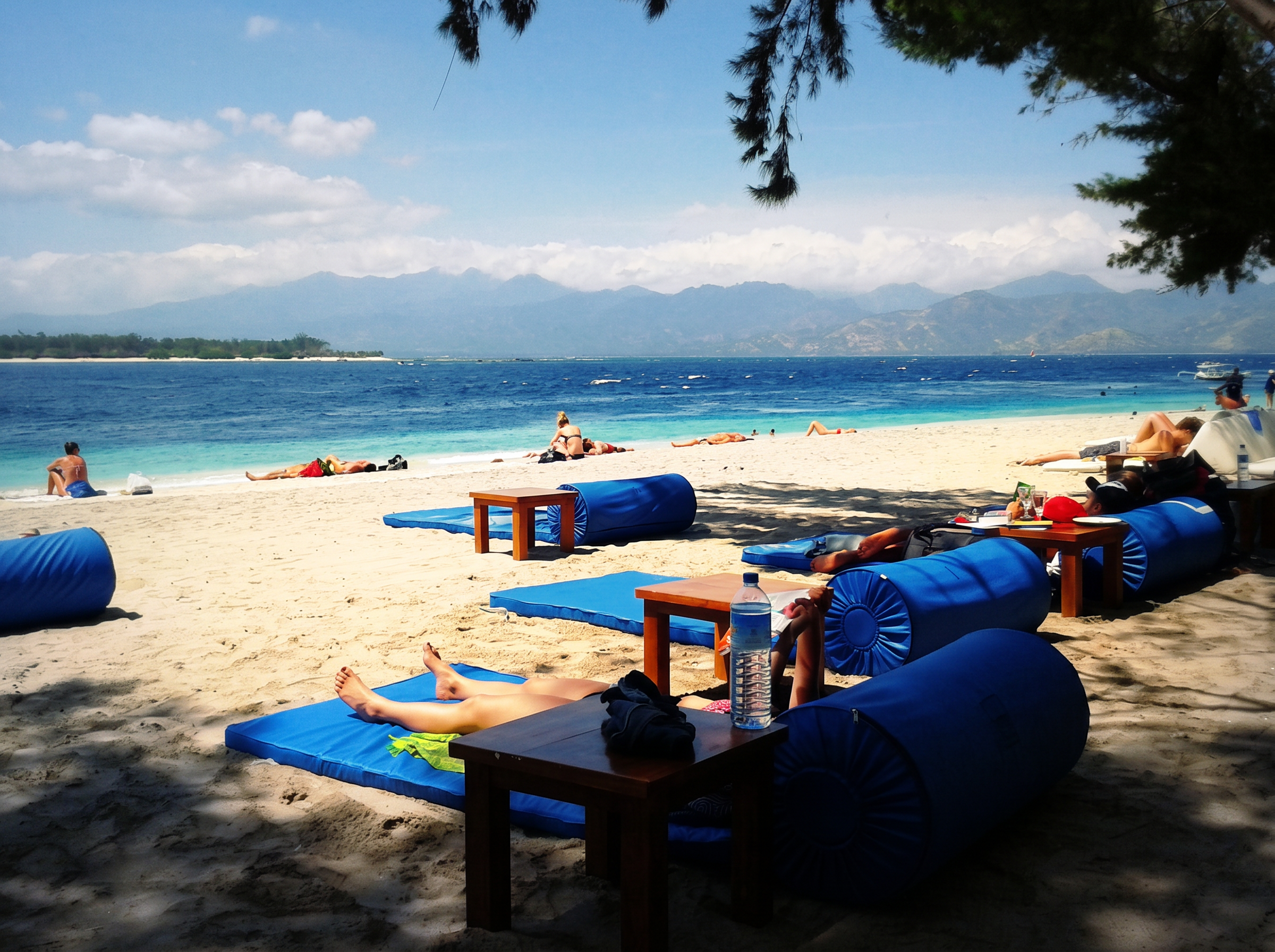
The Boat Ride Nearly Wrecked Me. Then Gili Trawangan Did Not.
Inspiration · 8 min read
Read the story

Eat, Pray, Love
by Elizabeth Gilbert · Italy, India & Bali