
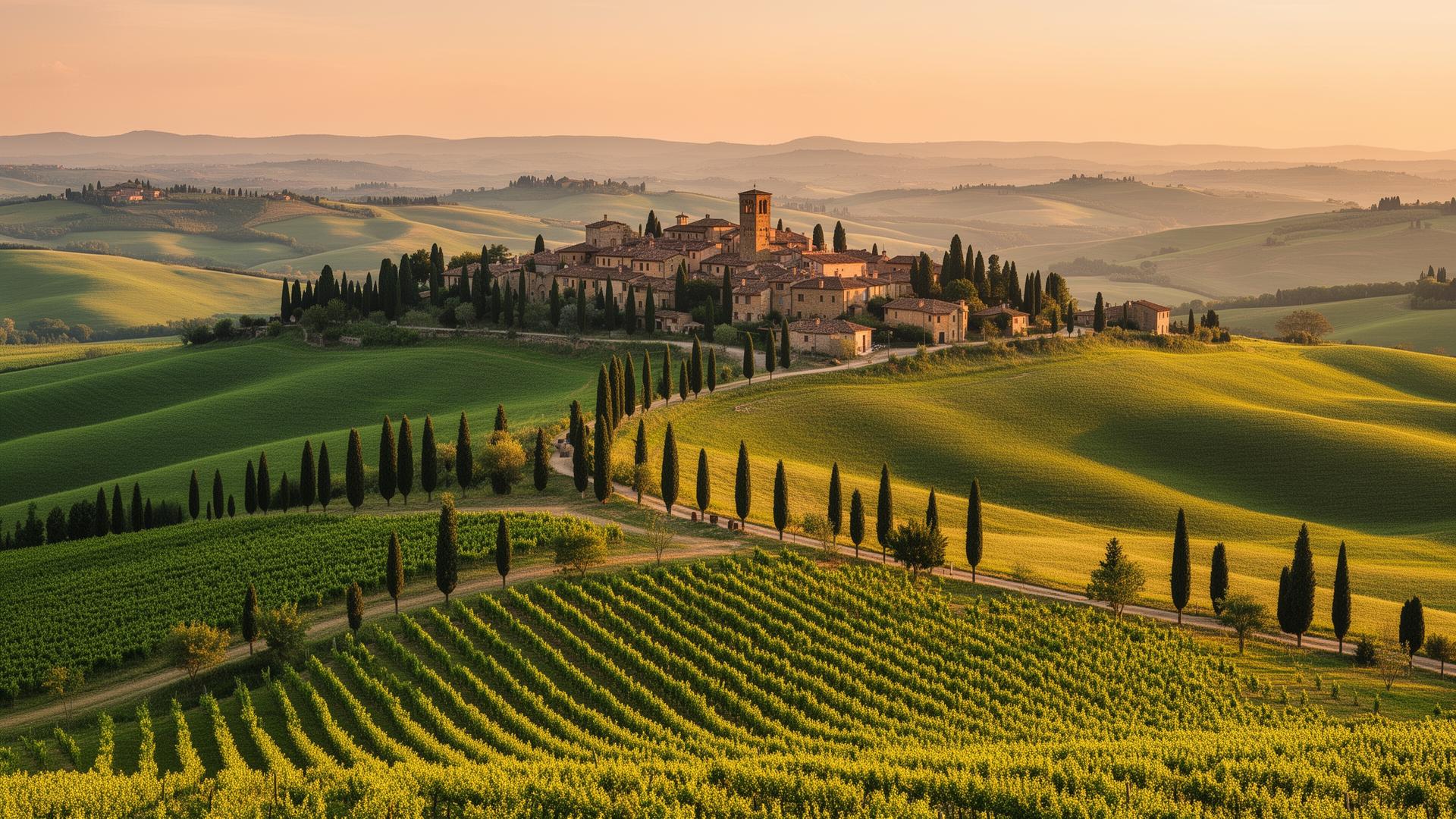
Tuscany, Italy
"Savor life among rolling hills and ancient vineyards"
Tuscany at a glance
- Best time to go
- Mid-to-late spring (April to May) and early autumn (September to October) are usually the best combination of pleasant weather and manageable crowds. Summer (June to August) is hot, busy and expensive, though it's also when sunflower fields bloom. Late September into October brings the grape harvest (la vendemmia) and truffle season, both worth planning around if food and wine are a priority.
- How long to stay
- We'd suggest seven to ten days to combine Florence with the countryside, Siena and a few smaller hill towns, since Tuscany rewards slow travel between vineyards and villages rather than a packed itinerary.
- Who it's for
- Food, wine and countryside lovers who want rolling hills, medieval towns and long lunches over a rushed sightseeing list.
- Might not be for you if
- You're visiting in July or August and hoping for a quiet countryside experience. Peak summer brings the biggest crowds and highest prices, even to smaller towns.
Tuscany epitomizes the Italian good life with its rolling hills, medieval hilltop towns, world-renowned wines, and artistic treasures. This region offers a perfect blend of culture, cuisine, and countryside beauty.
Best Time to Visit
April to June or September to October
April to June or September to October
The recommended period for the most pleasant weather and best overall experience.
Shoulder Season
Fewer crowds and better prices, with generally acceptable weather conditions.
Off-Peak
Lowest prices and emptiest attractions, though weather may be less predictable.
Getting Around
Cities are well-connected by train, but Tuscany's hilltop villages and vineyards really need a rental car.
🚗 Rental Car
The only way to reach Chianti wineries, Val d'Orcia, and hilltop borghi at your own pace.
🚄 Trenitalia / Italo
Fast trains between Florence, Pisa, and Rome (Florence–Rome in 90 min).
🚌 Regional Buses
SITA and Autolinee Toscane reach villages the trains miss.
🚴 Bicycle & E-bike
Rolling wine country roads are made for cycling — many agriturismi rent e-bikes.
💡 Avoid driving into ZTL (limited traffic zones) in Florence and Siena — the fines arrive in the post months later.
Suggested Itineraries
Florence
Duomo climb, evening apéritif.
Florence Art
Uffizi and Accademia (David).
Chianti
Wine-region drive with tastings and lunch.
Siena
Il Campo, Duomo, Piccolomini Library.
San Gimignano & Volterra
Two hill towns with lunch in between.
Val d'Orcia
Pienza cheese, Montepulciano wine, Bagno Vignoni.
Departure
Return to Florence, transfer to Pisa or Florence airport.
🗺️ Overwhelmed? Pick your three most-wants and let the rest be delightful maybes. Sparks over stress, always.
Highlights
Must See
- Florence
- Siena
- San Gimignano
- Chianti wine region
Local Cuisine
Insider Tip
Rent a car to explore the hidden hilltop villages and vineyards at your own pace.
Tuscany travel questions, answered
When is the best time to visit Tuscany?
Mid-to-late spring (April to May) and early autumn (September to October) are generally the best combination of comfortable weather and fewer crowds. Summer (June to August) is hot and the busiest, particularly in Florence and hilltop towns like San Gimignano. Late September through October is grape harvest season, and October is also prime truffle-hunting season, both drawing food and wine travellers specifically for that reason.
When is the wine harvest in Tuscany?
La vendemmia, the grape harvest, typically begins in late September and runs into October, varying by grape variety and the year's weather. It's a lively time to visit wine regions like Chianti, with harvest festivals in many towns, though it also means booking wine tours and accommodation further ahead.
How many days do you need in Tuscany?
Seven to ten days lets you combine Florence with the countryside, Siena and a few smaller hill towns at an unhurried pace. A shorter trip of four to five days works if you focus on Florence and just one or two day trips.
Do you need a car to explore rural Tuscany?
For the countryside, yes. Florence and Siena are well connected by train, but reaching smaller hill towns, individual wineries and rural accommodation is far easier with a rental car, since public transport in rural Tuscany is limited.
Details last checked 23 September 2026.
More sparks for Tuscany
Stories, films and books to keep the daydreaming going.
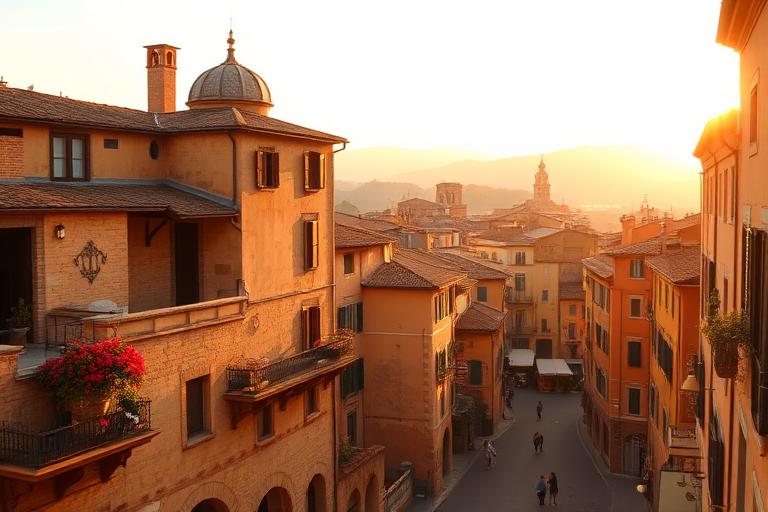
AI-generated editorial illustration — Unofficial AI-generated editorial illustration inspired by the destination and atmosphere of the film or series. Not an official poster or promotional image.
Letters to Juliet
Discover the romance of Verona's Juliet balcony and the golden landscapes of Tuscany's Chianti region.

Under the Tuscan Sun
by Frances Mayes · Tuscany, Italy