
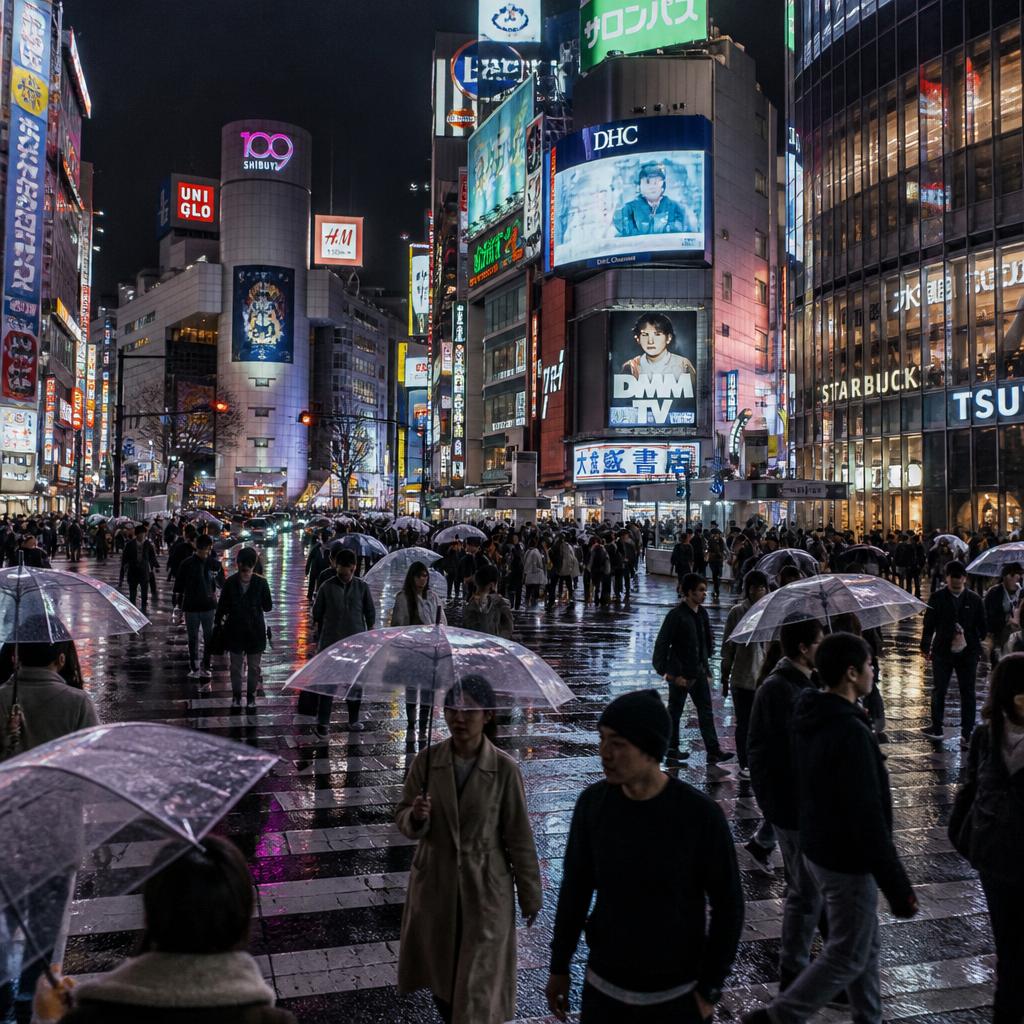
Tokyo, Japan
"Neon nights, quiet shrines, unreal ramen"
Tokyo at a glance
- Best time to go
- Spring (March to May) and autumn (September to November) are generally the most comfortable, with spring built around a short, unpredictable cherry blossom window (typically late March to early April) and autumn offering calmer, arguably underrated foliage viewing. Mid-January to early March is the cheapest and least crowded stretch. Summer (June to August) is hot, humid and includes typhoon season toward its end.
- How long to stay
- We'd suggest four to five days to cover central neighbourhoods, a couple of major sights and at least one day trip, such as to Kamakura or Nikko.
- Who it's for
- First-timers chasing neon-and-tradition contrasts, and repeat visitors chasing specific neighbourhoods, food scenes or seasonal events.
- Might not be for you if
- You've built your whole trip around cherry blossom timing without flexibility. The exact bloom date shifts year to year and is usually only forecast with confidence a couple of weeks out.
Tokyo is a metropolis of contradictions — neon-lit crossings a few blocks from silent shrines, tiny 6-seat izakayas next to skyscrapers. Endlessly walkable, ruthlessly efficient, and packed with more world-class food per square kilometer than anywhere on Earth.
Best Time to Visit
Late March to April (cherry blossoms) or October to November (autumn)
Late March to April (cherry blossoms) or October to November (autumn)
The recommended period for the most pleasant weather and best overall experience.
Shoulder Season
Fewer crowds and better prices, with generally acceptable weather conditions.
Off-Peak
Lowest prices and emptiest attractions, though weather may be less predictable.
Getting Around
Tokyo's rail network is the densest on Earth — trains and subways will take you within minutes of anywhere worth going.
🚇 Tokyo Metro & Toei Subway
13 subway lines run every 2–4 minutes across central Tokyo. Signs in English throughout.
🚆 JR Yamanote Line
The iconic loop linking Shinjuku, Shibuya, Tokyo Station, Ueno, and Akihabara.
🚅 Shinkansen
Bullet trains to Kyoto, Osaka, Hakone, and beyond depart from Tokyo and Shinagawa stations.
🚕 Taxi
Expensive but immaculate. Useful late at night after trains stop around midnight.
💡 Get a Suica or PASMO IC card — tap on/off any train, bus, or convenience-store purchase, no fare maths needed.
Suggested Itineraries
Arrival & Shibuya
Settle in, Shibuya crossing, evening izakaya.
Asakusa & Sky Tree
Sensō-ji, Nakamise, Sumida river cruise to Odaiba.
Shinjuku & Harajuku
Meiji Shrine, Takeshita Street, Shinjuku Golden Gai for the evening.
Nikkō Day Trip
Shinkansen north, Toshogu Shrine, Kegon Falls, back for the evening.
TeamLab & Ginza
TeamLab Planets, Ginza shopping, Kabuki-za.
Hakone Day Trip
Loop by pirate ship, cable car, Ōwakudani sulfur vents, Mt Fuji view.
Tsukiji & Departure
Tsukiji outer market breakfast, transfer to airport.
🎈 If it starts feeling like homework, delete a day. Wander a market. Eat a second pastry. That's the itinerary now.
Highlights
Must See
- Shibuya & Shinjuku
- Senso-ji Temple
- teamLab Planets
- Tsukiji Outer Market
Local Cuisine
Insider Tip
Get a Suica or Pasmo IC card at the airport — it works on every train, bus, and most convenience stores.
Tokyo travel questions, answered
When is the best time to visit Tokyo?
Spring (March to May) and autumn (September to November) are generally the most comfortable and popular. Cherry blossom season typically peaks in late March to early April but shifts yearly and only becomes forecastable with real confidence a couple of weeks ahead. Autumn foliage, often considered a calmer, less crowded alternative, usually peaks in November. Mid-January to early March is the cheapest and quietest stretch, and summer is hot and humid with typhoon risk increasing later in the season.
How many days do you need in Tokyo?
Four to five days covers central neighbourhoods like Shibuya, Shinjuku and Asakusa, a couple of major sights, and time for at least one day trip, such as to Kamakura's Great Buddha or Nikko's shrines.
Is Tokyo affected by typhoons?
Typhoon risk increases toward the end of summer and into early autumn, roughly August to October, and can disrupt trains and flights for a day or so when a storm passes near the city. It's worth checking the forecast if travelling during that window, though direct hits on central Tokyo are relatively infrequent.
How do you get around Tokyo?
Tokyo's train and subway network is extensive and reaches almost everywhere, and a rechargeable IC card such as Suica or Pasmo covers trains, subways and buses without buying individual tickets. The network can look intimidating on a map, but stations have clear English signage throughout.
Details last checked 23 September 2026.
More sparks for Tokyo
Stories, films and books to keep the daydreaming going.
AI-generated editorial illustration — Unofficial AI-generated editorial illustration inspired by the destination and atmosphere of the film or series. Not an official poster or promotional image.
Tokyo Vice
Dive deep into Tokyo's criminal underworld and neon-soaked nightlife through the eyes of an American journalist.

Norwegian Wood
by Haruki Murakami · Tokyo & Kyoto, Japan