
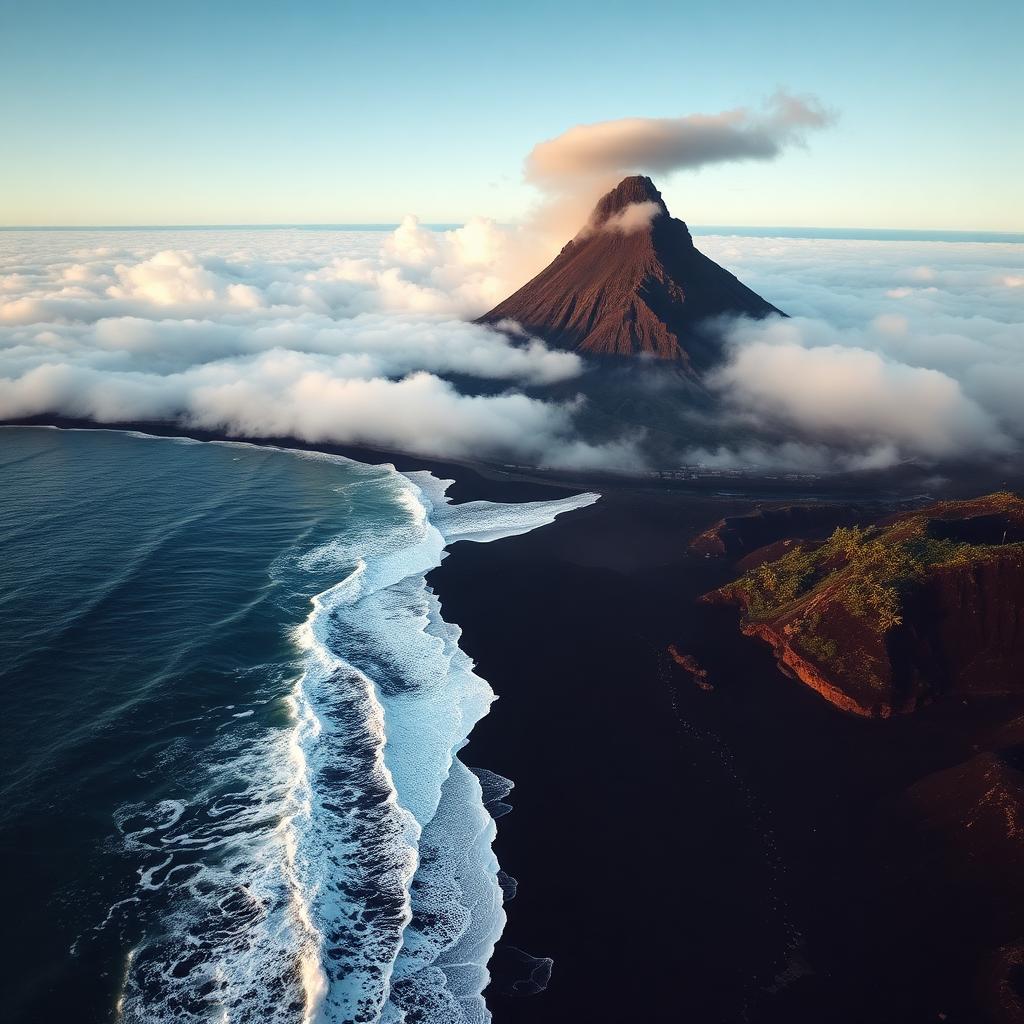
Tenerife, Spain
"Spain's highest peak, a moon-like crater, and beaches for afterwards"
Tenerife at a glance
- Best time to go
- Tenerife is mild and sunny most of the year thanks to its position off the coast of Africa, so 'best time' depends more on your goal than the weather. March to June and September to November are usually the sweet spot: warm enough to swim, with fewer crowds and lower prices than the December-to-March and July-August peaks. Winter is popular with those escaping cold northern European weather, and the north of the island is consistently wetter and greener than the south.
- How long to stay
- We'd suggest five to seven days to combine a beach base in the south with time in the mountains around Teide and a day or two exploring the greener north.
- Who it's for
- Sun-seekers, hikers and volcano-landscape fans who want a reliable, short-haul, year-round warm-weather escape.
- Might not be for you if
- You want one climate for the whole island. The south is consistently sunnier and drier than the north, so where you base yourself matters more than when you go.
Tenerife is far stranger than its resort reputation. Drive an hour inland and you're in Teide National Park — a lava desert at 2,000m with Spain's highest mountain in the middle. The north is misty, green and Canarian; the south is dry and sunny. Both share the same island, and the contrast is the whole point.
Best Time to Visit
Year-round; March to May and September to November are ideal
Dec – Feb
Mild coast, snow on Teide, peak European escape season.
Mar – May
Wildflowers in the crater, clear air, comfortable hiking.
Jun – Aug
Hot in the south, calima dust possible, busy beaches.
Sep – Nov
Warmest sea of the year and quieter trails.
Getting Around
Two motorways ring the island; the mountain roads in between are where the driving gets fun.
🚗 Rental Car
Cheap here and essential for Teide, Anaga and Masca.
🚌 TITSA Buses
Excellent, cheap green buses covering most of the island.
🚡 Teide Cable Car
Up to 3,555m in eight minutes; the last 200m needs a permit.
⛴️ Ferries
To La Gomera in under an hour from Los Cristianos — an easy day trip.
💡 Fill up on fuel before heading to Teide — there are no petrol stations inside the national park.
Suggested Itineraries
Arrive South
Settle in Costa Adeje, beach evening.
Teide Day
Crater viewpoints, cable car and stargazing after dark.
Masca
Hairpin drive into the valley, hike towards the gorge.
Whales & Cliffs
Pilot whales off Los Gigantes, swim at Playa de la Arena.
La Laguna & Anaga
UNESCO old town, then laurel forest ridges.
North Coast
Puerto de la Cruz, Garachico pools, local wine.
Departure
Last beach morning, fly home.
☕ Too much? Totally allowed to swap a monument for a long lunch. The place isn't going anywhere, and neither is your curiosity.
Highlights
Must See
- Mount Teide cable car
- Masca valley
- Anaga rural park
- Los Gigantes cliffs
Local Cuisine
Insider Tip
Teide's summit permit is free but sells out weeks ahead — book it before you book the flight if you want the crater rim.
Tenerife travel questions, answered
When is the best time to visit Tenerife?
March to June and September to November are usually the best combination of warm weather, fewer crowds and lower prices. December to March and July to August are the two peak seasons, the first for winter sun and Carnival, the second for summer heat and school holidays. Because Tenerife sits close to the coast of Africa, it stays mild year-round, so timing matters less here than on many other European destinations.
Is Tenerife warm enough to visit in winter?
Yes, that's a large part of its appeal. Daytime temperatures in the south commonly stay in the high teens to low twenties Celsius even in January, making it a popular winter-sun escape for northern Europeans. Mount Teide itself is often snow-capped in winter, so pack layers if you're heading up.
Which part of Tenerife has better weather, north or south?
The south, generally. Resorts like Costa Adeje and Los Cristianos are drier and sunnier year-round, while the north is greener, wetter and cooler, particularly around La Orotava. Choosing your base with this in mind matters more than picking a specific month.
How many days do you need in Tenerife?
Five to seven days lets you combine beach time in the south, a day trip up Mount Teide, and some time exploring the greener north, including La Laguna's old town.
Details last checked 23 September 2026.