
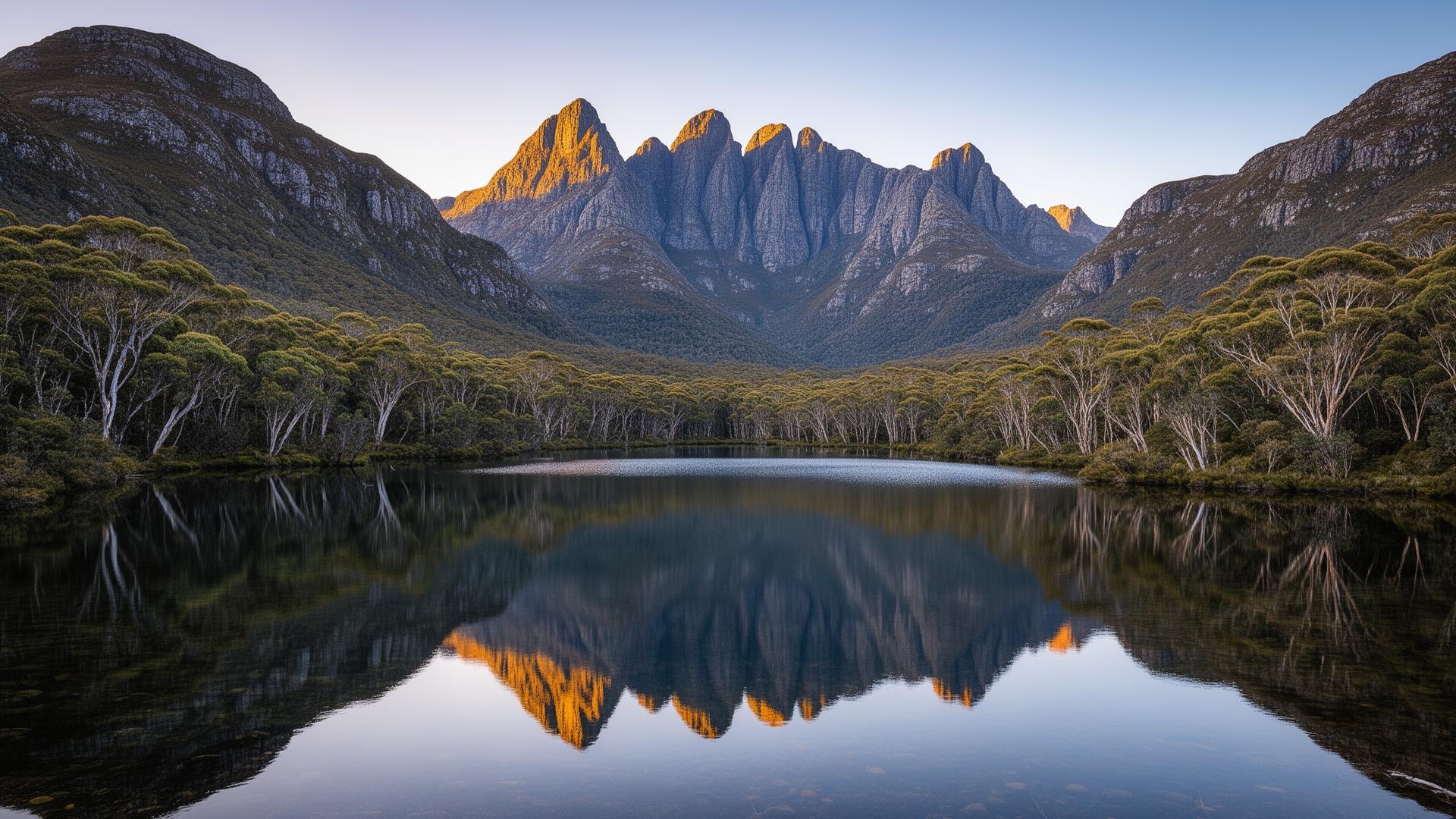
Tasmania, Australia
"Discover untamed wilderness at the world's edge"
Tasmania at a glance
- Best time to go
- Summer (December to February) is the warmest, driest and most popular, with the longest daylight for hikes like the Overland Track. March to April is a strong secondary window, still warm with autumn foliage at Cradle Mountain, one of the few places in Australia with a true northern-hemisphere-style fall. Winter (June to August) is cold with snow on higher peaks, and spring (September to November) is unpredictable but flush with wildflowers.
- How long to stay
- We'd suggest at least four to five days to combine Hobart, a national park such as Cradle Mountain or Freycinet, and some of the east coast.
- Who it's for
- Hikers, food and wine lovers, and travellers who want a cooler, quieter alternative to mainland Australia's summer heat.
- Might not be for you if
- You want guaranteed sunny beach weather, or you're planning the Overland Track outside the main season without checking current conditions; the track can be affected by snow and closures well into spring.
Tasmania is Australia's island state, home to some of the world's last remaining temperate wilderness. With pristine national parks, unique wildlife like the Tasmanian devil, and a burgeoning food scene, it's an adventurer's paradise.
Best Time to Visit
December to February (summer)
December to February (summer)
The recommended period for the most pleasant weather and best overall experience.
Shoulder Season
Fewer crowds and better prices, with generally acceptable weather conditions.
Off-Peak
Lowest prices and emptiest attractions, though weather may be less predictable.
Getting Around
Tasmania is best explored by rental car or campervan — public transport is limited outside Hobart and Launceston.
🚗 Rental Car / Campervan
Essential for Freycinet, Cradle Mountain, and Bruny Island. Drive on the left.
⛴️ Spirit of Tasmania
Overnight ferry from Melbourne — bring your own car and skip flights.
✈️ Regional Flights
Jetstar and Qantas link Hobart and Launceston with mainland Australia.
🚌 Tassielink Coach
Buses to Cradle Mountain, Freycinet, and the Tarkine if you're not driving.
💡 Book the Overland Track months ahead — the classic Cradle Mountain trek is capped and permit-controlled in summer.
Suggested Itineraries
Hobart
Salamanca market, MONA.
Port Arthur
Historic site.
Bruny Island
Ferry, seafood tour.
Freycinet
Wineglass Bay hike.
Bay of Fires
Orange-lichen boulders on white sand.
Cradle Mountain
Dove Lake circuit, wombats at dusk.
Return & Depart
Fly out from Launceston.
🌱 Psst — you don't have to do it all. The best souvenirs are slow mornings and one unplanned detour you'll still be talking about years later.
Highlights
Must See
- Cradle Mountain
- Freycinet National Park
- Port Arthur
- Overland Track
Local Cuisine
Insider Tip
Take the Overland Track for an unforgettable 6-day hike through World Heritage wilderness.
Tasmania travel questions, answered
When is the best time to visit Tasmania?
Summer (December to February) is the warmest and most popular, ideal for the Overland Track and coastal hikes like Freycinet's Wineglass Bay. March to April is a strong secondary choice, still warm with autumn colour at Cradle Mountain. Winter (June to August) brings snow to higher elevations and suits cosy retreats, while spring (September to November) is unpredictable but good for wildflowers.
How many days do you need in Tasmania?
We'd suggest at least four to five days to properly combine Hobart, a national park and some of the east or west coast. A week or more gives room for a longer hike, such as the multi-day Overland Track.
Can you see the Southern Lights (aurora australis) in Tasmania?
Yes, on clear, dark nights, particularly from more remote southern areas away from light pollution. It's less predictable than its northern counterpart, so checking aurora forecasts and heading somewhere with an unobstructed southern horizon improves your chances.
Is Tasmania's weather reliable?
Not entirely, and that's true in any season. Tasmania's varied microclimates, from maritime coasts to alpine interior, mean conditions can change quickly, especially in the wilderness. Packing layers and a rain jacket regardless of season and forecast is standard advice from locals.
Details last checked 23 September 2026.