Switzerland
"Trains that climb mountains and lakes you can drink from"
Switzerland at a glance
- Best time to go
- June to September is the main hiking and lake season, with July and August the warmest and busiest. Ski season generally runs December to March, peaking over Christmas and February half-term. April to early June and September to October are quieter shoulder windows, though some higher cable cars and trails stay closed until the snow clears, typically in June.
- How long to stay
- We'd suggest seven to ten days to combine a couple of mountain regions (for example the Bernese Oberland and Zermatt) with a lake city such as Lucerne or Geneva.
- Who it's for
- Hikers, skiers and scenic-train lovers who want dramatic Alpine views paired with efficient, easy-to-navigate transport.
- Might not be for you if
- You're hoping to hike high-altitude trails in April or May. Snow often blocks higher routes and closes cable cars until the melt, typically in June.
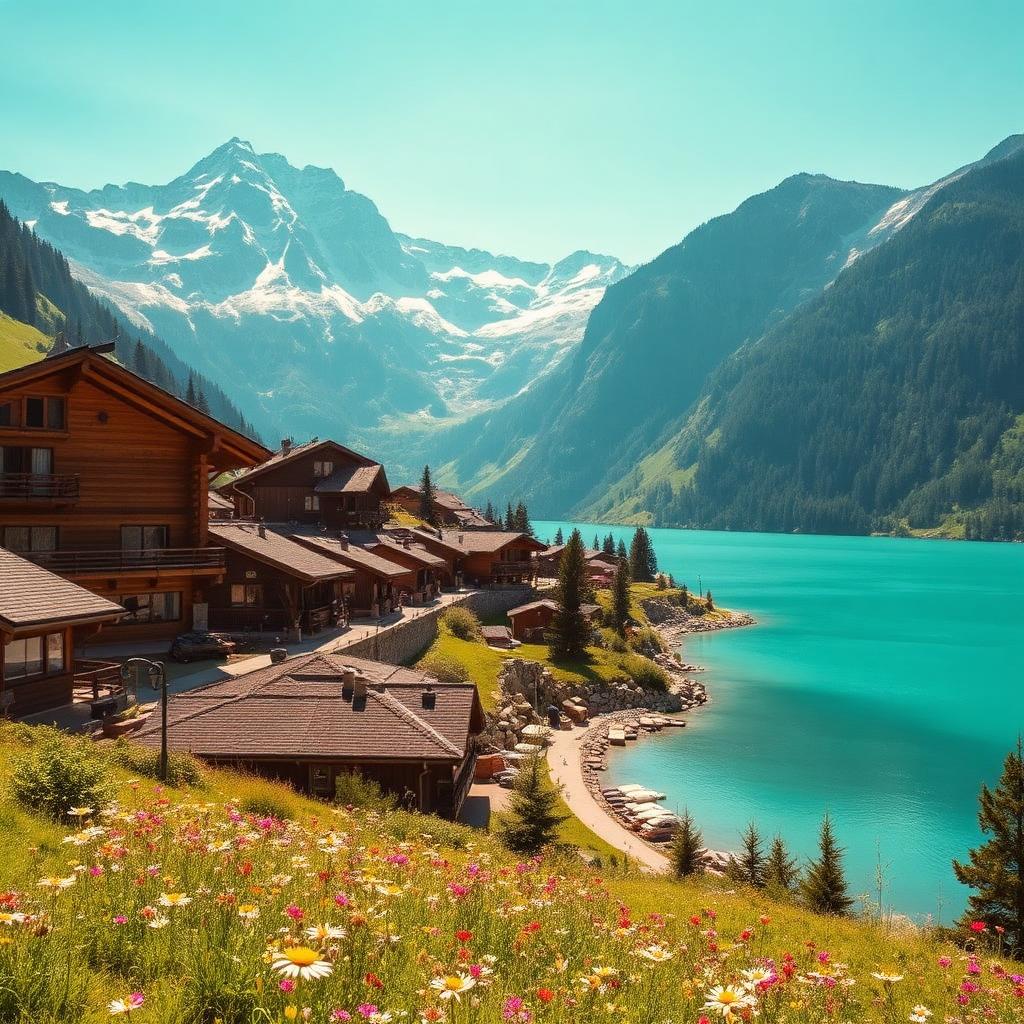
Switzerland is expensive and worth it. The scenery does the heavy lifting — glaciers, turquoise lakes, meadows above the treeline — but it's the transport that makes it magic: a single ticket puts you on trains, boats and cable cars that reach places most countries would call inaccessible. Show up, follow the timetable, be amazed on schedule.
Best Time to Visit
June to September for hiking, December to March for snow
Jun – Aug
Hiking season: high trails clear of snow, wildflowers, long daylight.
Sep – Oct
Golden larches, quieter trails, crisp air, harvest festivals in the valleys.
Dec – Mar
Ski season, Christmas markets, and the mountain railways running through snow.
Apr – May
Shoulder season — cheap, green valleys, but many high lifts and trails are closed.
Getting Around
The best public transport network on earth. Trains, postbuses, lake boats and cable cars all run on one integrated timetable.
🚆 Trains
Punctual to the minute and gorgeous — the Bernina and Glacier Express are attractions in themselves.
🚡 Cable Cars & Funiculars
Lift you from valley towns to hiking country in minutes.
⛴️ Lake Boats
Included on most passes; the slow, scenic way between lakeside villages.
🚌 Postbuses
Bright yellow buses reaching the mountain villages the trains can't.
💡 Supermarket picnics from Coop or Migros will save your budget — restaurant meals are eye-watering.
Suggested Itineraries
Arrive Zurich
Old town wander, lakeside evening.
To Lucerne
Chapel Bridge, Lion Monument, boat on Lake Lucerne.
Mount Pilatus or Rigi
Full-day mountain excursion with a summit walk.
Jungfrau Region
Train to Lauterbrunnen, cable car to Mürren, waterfall valley walk.
High Alps
Schilthorn or Jungfraujoch, then an easy alpine trail down to Wengen.
Zermatt
Train to the car-free village, Gornergrat railway for Matterhorn views.
Departure
Scenic ride back to Zurich or Geneva.
🗺️ Overwhelmed? Pick your three most-wants and let the rest be delightful maybes. Sparks over stress, always.
Highlights
Must See
- Jungfrau region
- Lucerne & Mount Pilatus
- Zermatt & the Matterhorn
- Lake Geneva vineyards
Local Cuisine
Insider Tip
A Swiss Travel Pass pays off from about four travel days — it covers trains, boats, city transport and most museums.
Switzerland travel questions, answered
When is the best time to visit Switzerland?
June to September is the main window for hiking, lakes and full access to mountain trails, with July and August the warmest and busiest. Ski season runs roughly December to March, peaking around Christmas and February. Spring (April to early June) and autumn (September to October) are quieter, with fewer crowds and lower prices, though some higher-altitude trails and cable cars may still be closed.
How many days do you need in Switzerland?
Seven to ten days lets you combine two or three regions, for example a mountain base like Interlaken or Zermatt with a lake city such as Lucerne or Geneva, without feeling rushed.
Do you need a car in Switzerland?
Not really. Switzerland's train network is extensive, reaches deep into the mountains, and connects smoothly with cable cars, funiculars and postal buses. A Swiss Travel Pass, covering trains, buses and boats nationwide, is worth comparing against individual tickets on the official Swiss Travel Pass site if you're moving between several regions.
What's the difference between visiting Switzerland in summer versus winter?
Summer opens up hiking, lake swimming and mountain passes, with long daylight hours for full days outdoors. Winter shifts the focus to skiing and snow-covered scenery, with resorts like Zermatt and St Moritz coming alive, but higher hiking trails and some mountain roads close for the season.
Details last checked 23 September 2026.
More sparks for Switzerland
Stories, films and books to keep the daydreaming going.

Heidi
by Johanna Spyri · Swiss Alps, Switzerland