
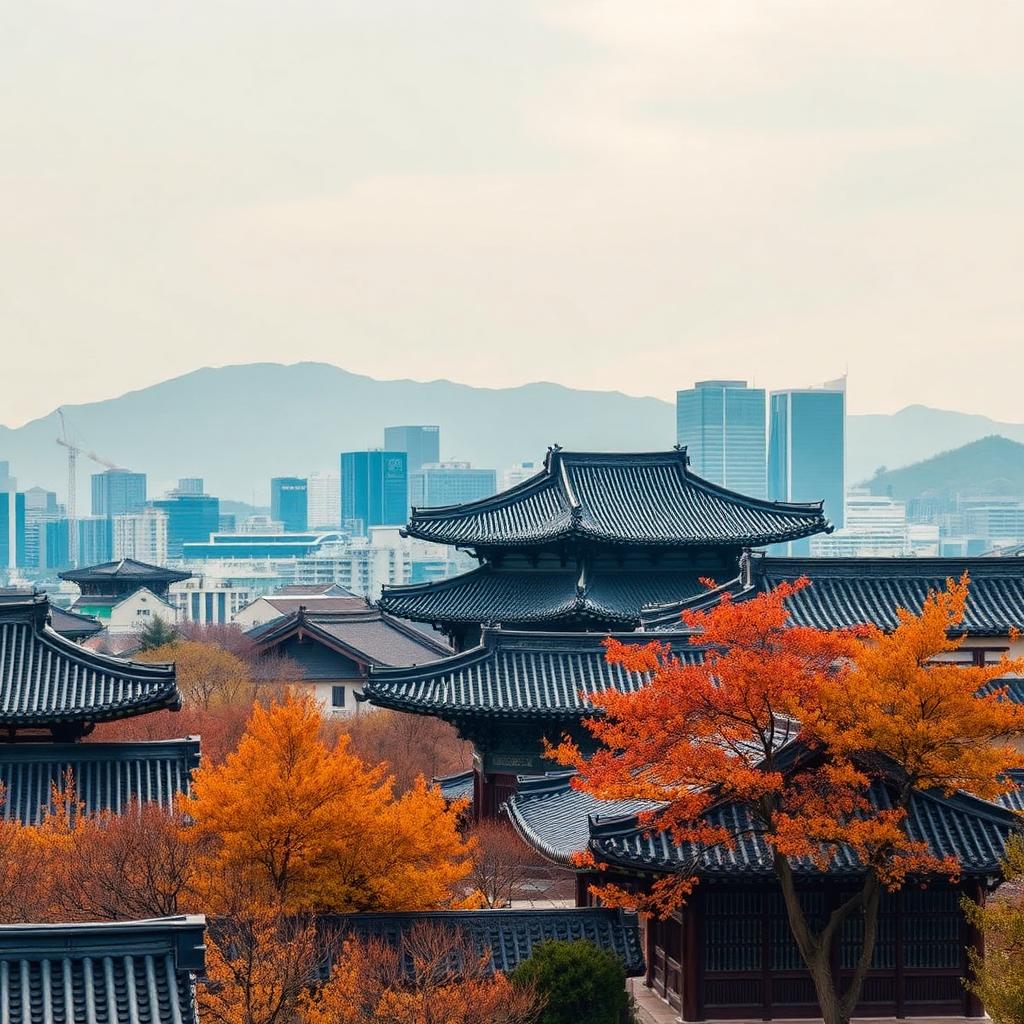
South Korea
"Palaces, mountains, and midnight barbecue"
South Korea at a glance
- Best time to go
- Spring (April to early June) and autumn (September to November) are the classic windows: mild temperatures, cherry blossoms or foliage, and the most comfortable conditions for city and countryside travel alike. Summer (July to August) is hot, humid and includes the monsoon, and winter (December to February) is cold, especially inland and in the mountains, but suits ski resorts and hot spring towns.
- How long to stay
- We'd suggest ten to twelve days to combine Seoul with at least one other region, such as Busan, Gyeongju or Jeju Island.
- Who it's for
- Food, culture and nature travellers who want a mix of hyper-modern cities, temples and coastline in a country that's easy to get around.
- Might not be for you if
- You only have a few days and want to see more than Seoul. South Korea's other regions genuinely reward the extra time, so a rushed one-city trip undersells the country.
South Korea moves fast and eats late. Seoul stacks Joseon palaces against glass towers, the countryside hides mountain temples and hanok villages, and the whole country is wired together by trains that make weekend trips absurdly easy.
Best Time to Visit
April to June and September to November
Apr – Jun
Cherry blossoms in April, mild and clear through June.
Jul – Aug
Monsoon rains then heat and humidity; beach season on Jeju.
Sep – Nov
The best window: dry, clear skies and spectacular autumn colour.
Dec – Mar
Cold and dry, ski resorts open, Seoul's palaces beautiful under snow.
Getting Around
The KTX high-speed network crosses the country in under three hours; cities run on excellent subways.
🚄 KTX
Seoul to Busan in 2h40. Book on the Korail app, seats rarely sell out midweek.
🚇 Subway
Seoul's system is signposted in English and covers everything. Pay with T-money.
🚌 Express Buses
Reach mountain parks and small towns the trains miss.
✈️ Flights to Jeju
One of the world's busiest routes — cheap, hourly and an hour long.
💡 Kakao Map and Naver Map work far better than Google Maps for walking directions in Korea.
Suggested Itineraries
Seoul Arrival
Check in around Jongno, first fried chicken and beer.
Palace Day
Gyeongbokgung, Changdeokgung's Secret Garden, Bukchon.
Markets & Nightlife
Gwangjang Market breakfast, Ikseon-dong cafés, Hongdae after dark.
KTX to Gyeongju
Royal tombs, Cheomseongdae observatory, Donggung Palace lit at night.
Bulguksa & Seokguram
UNESCO temple complex and grotto, then train to Busan.
Busan
Gamcheon Culture Village, Jagalchi fish market, Haeundae beach sunset.
Return & Departure
KTX back to Seoul, last shopping in Myeongdong.
☕ Too much? Totally allowed to swap a monument for a long lunch. The place isn't going anywhere, and neither is your curiosity.
Highlights
Must See
- Gyeongbokgung Palace
- Bukchon Hanok Village
- Gyeongju
- Jeju Island
Local Cuisine
Insider Tip
Get a T-money card at any convenience store — it works on subways, buses and taxis nationwide.
South Korea travel questions, answered
When is the best time to visit South Korea?
Spring (April to early June) and autumn (September to November) are generally the most comfortable, with mild weather and, depending on timing, cherry blossoms or autumn foliage. Summer is hot, humid and includes the monsoon season, while winter is cold, particularly outside Seoul, but suits skiing and hot spring towns like Icheon or Busan's Haeundae area.
How do you get around South Korea?
The KTX high-speed rail network connects major cities, including Seoul, Busan and Daegu, quickly and comfortably, and is the easiest way to cover long distances. Domestic flights and buses fill in the gaps for smaller towns and Jeju Island, which is only reachable by plane or ferry.
Is Jeju Island worth adding to a South Korea trip?
Many visitors think so. Jeju offers a different pace from the mainland cities, with volcanic landscapes, beaches, hiking (including Hallasan, South Korea's highest peak) and a more relaxed island atmosphere. It's reachable by a short domestic flight from Seoul or Busan.
How many days do you need in South Korea?
Ten to twelve days lets you properly combine Seoul with one or two other regions, for example Busan's coast, the historic sites around Gyeongju, or Jeju Island. A shorter trip of five to seven days works well if you focus on just Seoul and one nearby city.
Details last checked 23 September 2026.
More sparks for South Korea
Stories, films and books to keep the daydreaming going.

AI-generated editorial illustration — Unofficial AI-generated editorial illustration inspired by the destination and atmosphere of the film or series. Not an official poster or promotional image.
Past Lives
Two childhood friends, two cities and twenty-four years of what-if.

The Island of Sea Women
by Lisa See · Jeju Island, South Korea