
Portugal
"Atlantic light, tiled façades, and the friendliest coastline in Europe"
Portugal at a glance
- Best time to go
- May to June and September to October are usually the best all-round months: warm enough for the coast, comfortable for walking cities, and calmer than the July-August peak. The Algarve's beach season runs roughly May to September, while Lisbon and Porto stay pleasant for city breaks well into autumn. Winter is mild by northern European standards, with the north wetter than the south.
- How long to stay
- We'd suggest ten days to two weeks to combine Lisbon, Porto and a coastal stop such as the Algarve, since travelling the length of the country by train or car takes longer than the map suggests.
- Who it's for
- Travellers who want cities, coastline and food all in one manageable-sized country, without the crowds or prices of some neighbouring destinations.
- Might not be for you if
- You want a single climate for the whole country and trip. The north is cooler and wetter than the south, especially outside summer.
Portugal is small enough to cross in a day and varied enough to fill a month: surf beaches in the west, terraced vineyards in the Douro, medieval towns in the interior and two cities — Lisbon and Porto — that have quietly become Europe's most likeable.
Best Time to Visit
March to June and September to October
Mar – Jun
Warm, green and quiet, with wildflowers in the Alentejo.
Jul – Aug
Beach season, festivals, and the busiest Algarve months.
Sep – Oct
Grape harvest in the Douro, warm ocean, softer crowds.
Nov – Feb
Mild, rainy at times, big Atlantic surf at Nazaré and very low prices.
Getting Around
Trains connect the main cities; the countryside and Algarve beaches reward a rental car.
🚆 CP Trains
Alfa Pendular and Intercidades link Lisbon, Coimbra and Porto in under three hours.
🚗 Rental Car
Best for the Alentejo, Douro and Algarve. Watch for electronic-only toll roads.
🚋 Trams & Metro
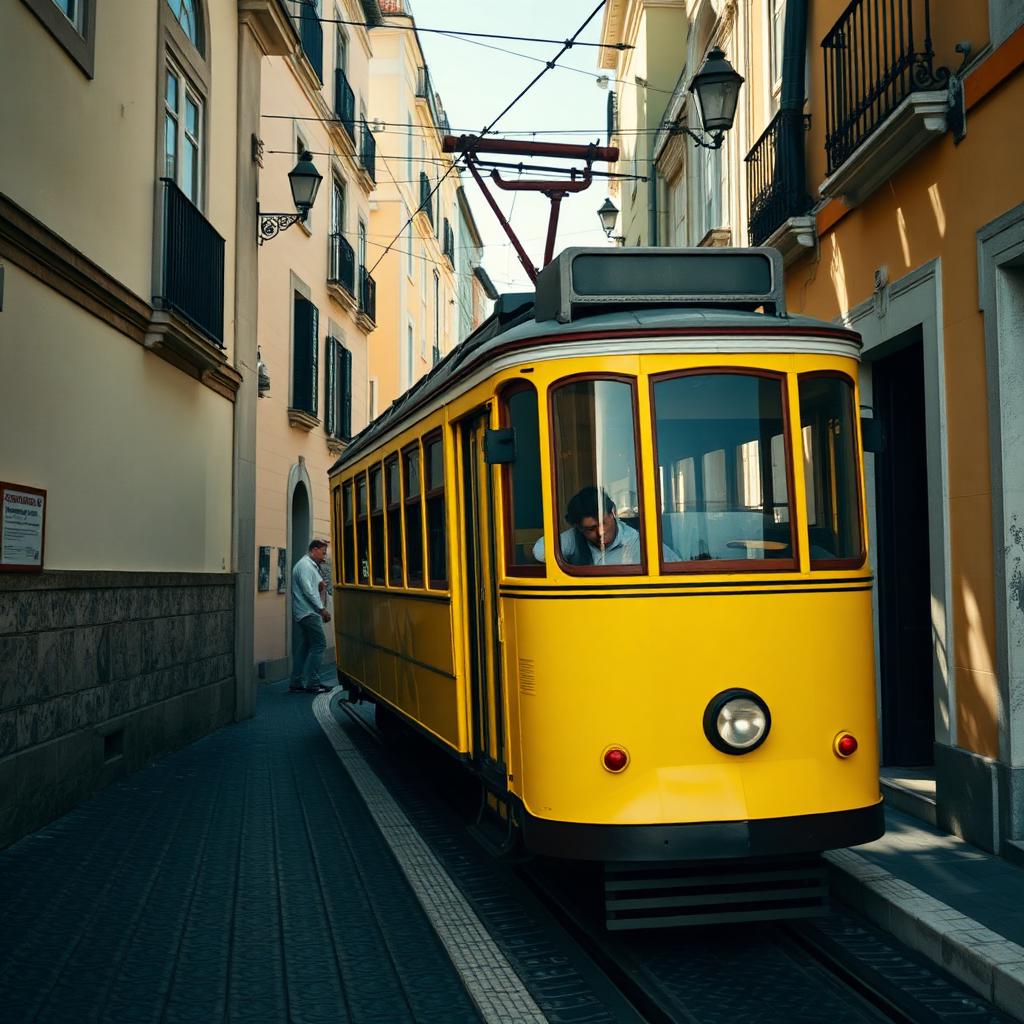
Lisbon's Tram 28 doubles as sightseeing; both cities have simple metro systems.
🚌 Rede Expressos
Cheap long-distance coaches reaching towns the trains skip.
💡 Buy a rechargeable Navegante card in Lisbon — single tickets cost nearly double.
Suggested Itineraries
Lisbon Arrival
Settle in Príncipe Real, first bifana and a viewpoint sunset.
Central Lisbon
Baixa, Alfama, Tram 28, Time Out Market dinner.
Sintra Day Trip
Palaces in the morning, coast in the afternoon.
Train to Porto
Three hours north, Ribeira waterfront and port tasting in Gaia.
Porto
Livraria Lello, Clérigos tower, São Bento tiles, francesinha lunch.
Douro Valley
Train to Pinhão or a quinta tour with lunch and a river cruise.
Departure
Foz do Douro walk before flying out of Porto.
🍋 Not a race. Skip, swap, siesta — the world keeps spinning and you get to come back and finish the story.
Highlights
Must See
- Lisbon's Alfama
- Sintra palaces
- Porto & the Douro
- Algarve sea caves
Local Cuisine
Insider Tip
The Lisbon–Porto Alfa Pendular train is faster and far more pleasant than flying between the two cities.
Portugal travel questions, answered
When is the best time to visit Portugal?
May to June and September to October are commonly recommended for warm, comfortable weather across most of the country without peak-season crowds. July and August are the hottest and busiest, especially along the Algarve coast. Winter is mild overall but wetter in the north than the south.
How many days do you need in Portugal?
Ten days to two weeks lets you combine Lisbon, Porto and a coastal region like the Algarve without rushing. A shorter trip of five to seven days works well if you focus on just Lisbon and Porto, or one region in more depth.
Is the Algarve only good for beaches?
No, though that's its main draw. Beyond its beaches and cliffs, the Algarve has hilltop towns, golf courses and a milder winter climate that draws visitors well outside the main summer season, even if swimming season is shorter.
How do you get between Lisbon and Porto?
By train, which is usually the easiest option: high-speed services connect the two cities in under three hours, more frequently than budget flights, and drop you in each city centre rather than at an outlying airport.
Details last checked 23 September 2026.
More sparks for Portugal
Stories, films and books to keep the daydreaming going.

Night Train to Lisbon
by Pascal Mercier · Lisbon, Portugal