
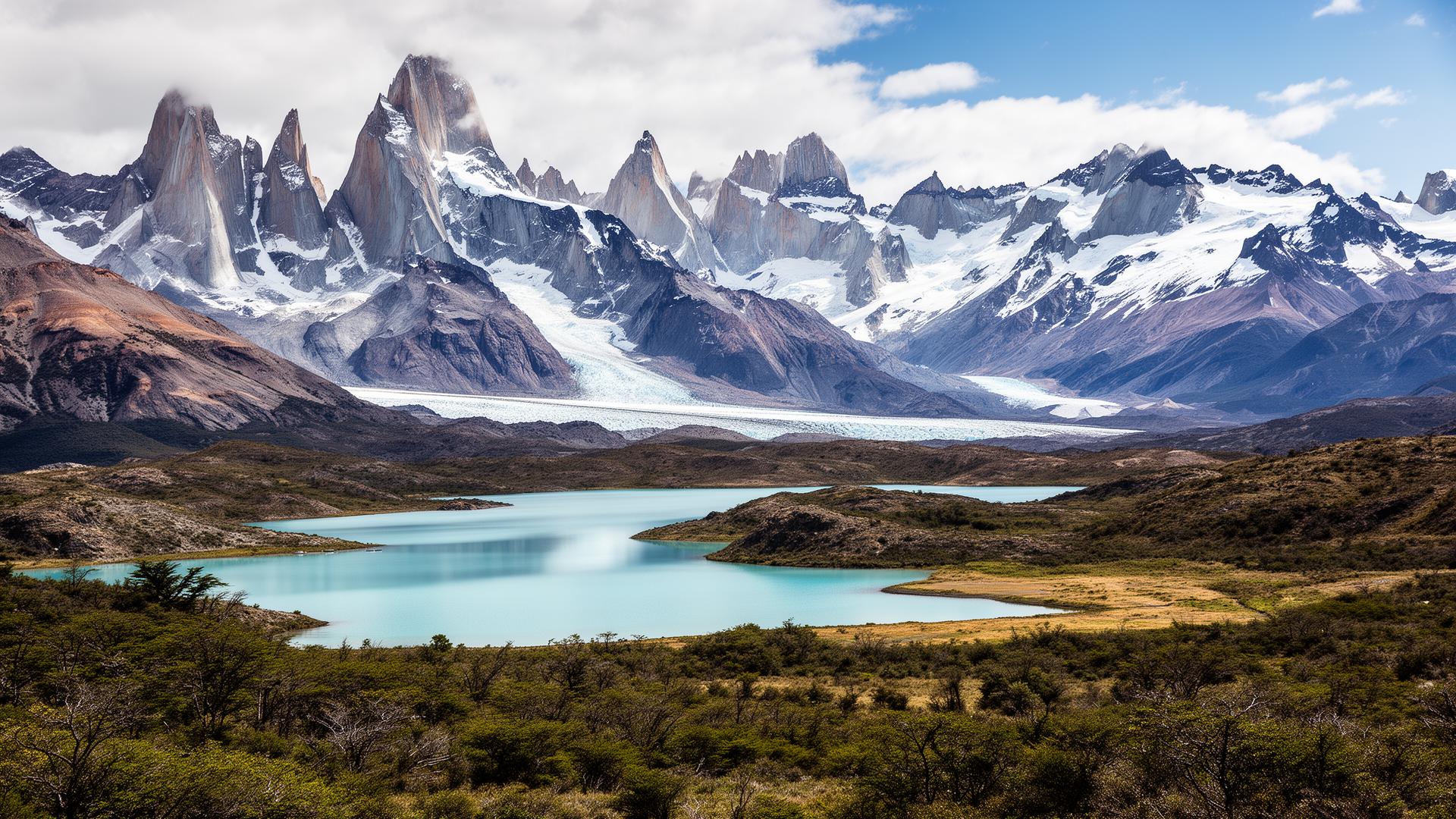
Patagonia, Chile
"Conquer dramatic peaks and pristine wilderness"
Patagonia at a glance
- Best time to go
- The Southern Hemisphere summer, roughly November to March, is the main trekking season in Torres del Paine, when the W and O circuit trails and their campsites are open. December to February is the busiest and windiest stretch, and January is peak season, so shoulder months (November and March) offer a calmer, still-mild alternative. Winter (roughly June to August) brings snow and closes many trails, though a shorter, quieter version of the park stays accessible.
- How long to stay
- We'd suggest seven to ten days to properly hike the W trek and explore around Puerto Natales, or four to five days for a shorter visit focused on day hikes rather than a multi-day trek.
- Who it's for
- Serious hikers and landscape photographers who don't mind strong wind, changeable weather and planning campsite bookings well ahead.
- Might not be for you if
- You're hoping to book Torres del Paine's popular campsites at the last minute in peak season (roughly December to February), or you'd rather avoid strong, near-constant wind.
Patagonia is one of Earth's last frontiers, where massive glaciers, towering peaks, and endless pampas create landscapes of extraordinary beauty. This remote region offers world-class trekking and unparalleled wilderness experiences.
Best Time to Visit
November to March (Southern Hemisphere summer)
Nov – Mar (Summer)
Longest days, mildest weather, and all facilities open. December-February is peak season.
Oct & Apr (Shoulder)
Fewer crowds, autumn colors in April, spring wildflowers in October. Some facilities closed.
May – Sep (Winter)
Cold, short days, snow in the mountains. Most treks closed but skiing and ice adventures possible.
Dec – Feb (Peak)
Best weather but most expensive. Wind is constant — bring layers and windproof gear.
Getting Around
Patagonia is vast and remote. Plan transfers carefully — distances are huge and transport is limited.
🚌 Long-distance Buses
Main transport between towns. Companies like Bus Sur and Cootra connect major hubs.
✈️ Domestic Flights
LATAM and JetSmart fly to El Calafate, Punta Arenas, and Ushuaia. Book early for best fares.
🚗 Rental Car
Great for Carretera Austral and flexible exploration. 4WD recommended for gravel roads.
⛴️ Ferries
Navimag and Tabsa ferries navigate the fjords — scenic multi-day journeys.
💡 Book Torres del Paine refugios and campsites months ahead — the park has strict capacity limits and sells out fast.
Suggested Itineraries
Fly to Puerto Natales
Arrive via Punta Arenas, drive to Puerto Natales, gear check.
Enter Torres del Paine
Milodón Cave, Salto Grande, Lago Pehoé viewpoint, overnight inside the park.
Base Torres Hike
Full-day hike to the towers viewpoint.
French Valley
Catamaran across Lago Pehoé, day hike into French Valley.
Grey Glacier
Boat to Grey Glacier face, or ice-hike option.
Cross to El Calafate
Border crossing to Argentina, arrive in El Calafate.
Perito Moreno & Departure
Half-day at the glacier, evening flight out.
🍋 Not a race. Skip, swap, siesta — the world keeps spinning and you get to come back and finish the story.
Highlights
Must See
- Torres del Paine National Park
- Perito Moreno Glacier
- Fitz Roy
- Grey Glacier
Local Cuisine
Insider Tip
Book refugios and campsites months in advance for popular trekking routes.
Patagonia travel questions, answered
When is the best time to visit Torres del Paine in Patagonia?
Roughly November to March, the Southern Hemisphere summer, is the main season, when the park's trekking routes and campsites are open. January is the busiest, warmest and windiest month; February usually has less rain and thinning crowds. November and March are quieter shoulder months with still-reasonable weather. Winter closes many of the higher trails.
Do you need to book campsites for the W trek in advance?
Yes, well in advance for peak season. Campsites and refugios along the W and O circuits have limited capacity and can book out months ahead for December to February, so reserve as soon as your dates are set. Entrance tickets to the park must also be purchased online before your visit.
How windy is Patagonia, and does it affect hiking?
Very windy, especially in summer. Strong, sometimes fierce winds are a defining feature of Torres del Paine, particularly in December and January, and can make tent-pitching and some trail sections genuinely challenging. A sturdy, wind-rated tent and trekking poles are commonly recommended if you're camping.
How many days do you need for Patagonia?
The classic W trek typically takes four to five days, and the full O Circuit around seven to nine. Add a couple of days in Puerto Natales for logistics, rest and weather buffer days, since Patagonia's weather can change quickly and delay onward travel.
Details last checked 23 September 2026.
More sparks for Patagonia
Stories, films and books to keep the daydreaming going.

The Old Patagonian Express
by Paul Theroux · Americas (Boston to Patagonia)