
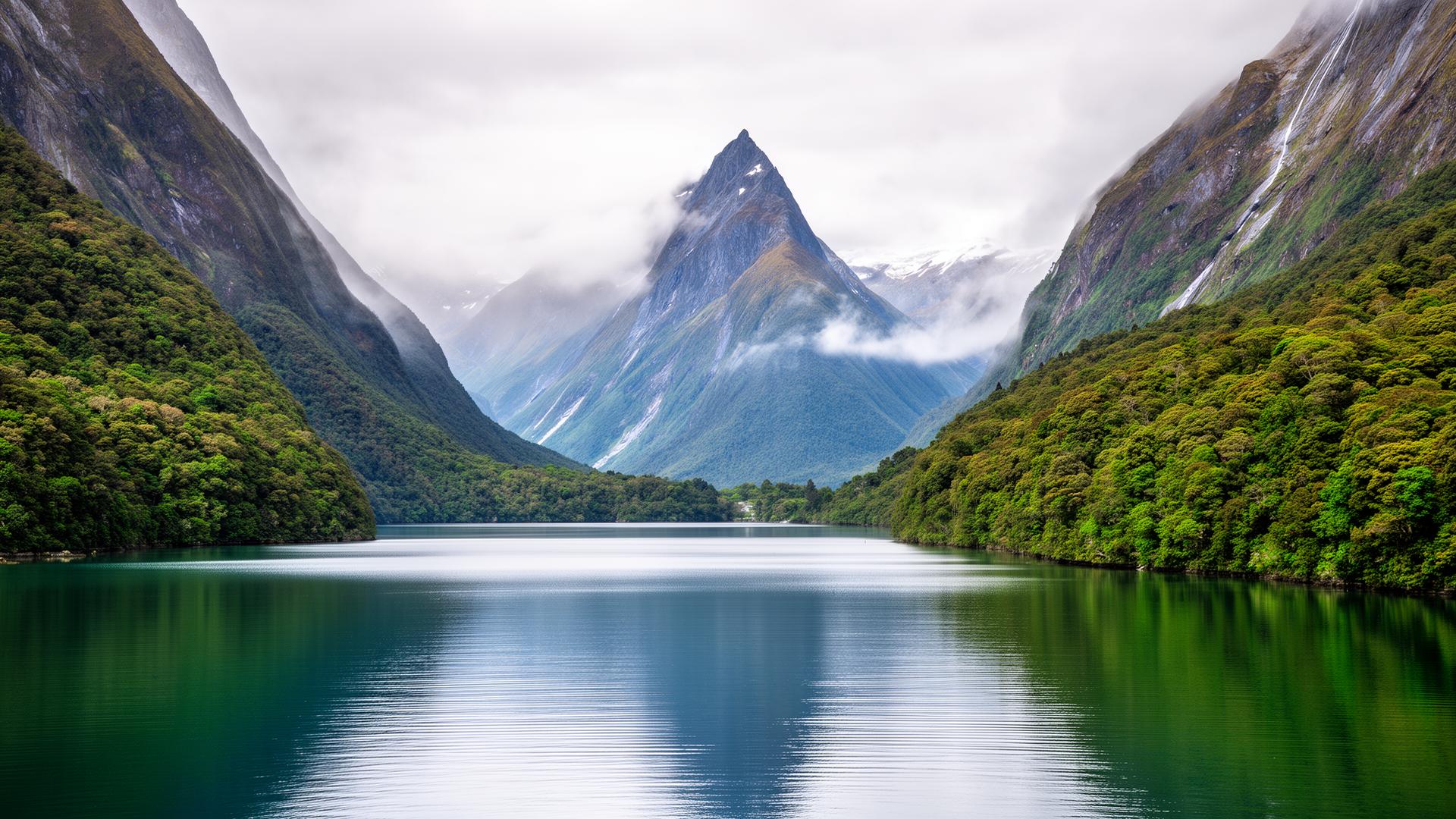
New Zealand
"Adventure through Middle-earth's stunning landscapes"
New Zealand at a glance
- Best time to go
- New Zealand's seasons run opposite to the Northern Hemisphere, so its summer (roughly December to February) is the warmest, longest-daylight period and the best time for the Great Walks and Milford Sound cruises. The shoulder months (October to November and March to April) offer milder weather and thinner crowds than the December to January peak. Winter (June to August) suits skiing in the South Island but closes some hiking trails.
- How long to stay
- We'd suggest fourteen days to properly cover both the North and South Islands, since driving distances and ferry crossings between the two take longer than a quick map glance suggests.
- Who it's for
- Hikers, road-trippers and adventure travellers who want dramatic, varied scenery across a manageable-sized country.
- Might not be for you if
- You're planning a Southern Hemisphere summer trip in what you'd normally think of as winter travel months back home. December to February is New Zealand's summer, not winter, so plan your seasonal wardrobe accordingly.
New Zealand offers some of the world's most diverse and dramatic landscapes within a compact area. From volcanic plateaus to pristine fjords, ancient forests to rugged coastlines, this island nation is an adventurer's paradise.
Best Time to Visit
December to February (summer)
Dec – Feb (Summer)
Best weather, longest days, perfect for beaches and hiking. Peak tourist season.
Mar – May (Autumn)
Stunning fall colors in Central Otago, harvest festivals, and fewer crowds.
Jun – Aug (Winter)
Skiing at Queenstown and Ruapehu. Fewer tourists and cheaper accommodation.
Sep – Nov (Spring)
Lambing season, wildflowers, and warming weather. Great shoulder season value.
Getting Around
New Zealand is best explored by rental car or campervan. Roads are scenic but winding.
🚐 Campervan
The quintessential NZ experience. Freedom camping and DOC campsites make it affordable.
🚗 Rental Car
More comfortable for couples. Drive on the left. Book early in peak season.
🚌 InterCity Bus
Budget-friendly coaches between major towns with flexible hop-on-hop-off passes.
⛴️ Interislander Ferry
Scenic 3-hour ferry between Wellington and Picton connecting the two islands.
💡 Get a campervan and download the CamperMate app — it shows every free campsite, dump station, and attraction.
Suggested Itineraries
Auckland Arrival
Sky Tower, Viaduct Harbour dinner.
Hobbiton & Rotorua
Hobbiton movie set, drive to Rotorua, Māori hangi and cultural show.
Rotorua Geothermal
Wai-O-Tapu, Redwoods walk, evening in Polynesian spa.
Fly South to Queenstown
Domestic flight, gondola sunset, lakeside dinner.
Milford Sound
Full-day Milford cruise.
Glenorchy
Scenic drive to Glenorchy, jet-boat or short walk.
Departure
Fly out via Auckland.
🍋 Not a race. Skip, swap, siesta — the world keeps spinning and you get to come back and finish the story.
Highlights
Must See
- Milford Sound
- Tongariro Alpine Crossing
- Waitomo Caves
- Rotorua
Local Cuisine
Insider Tip
Rent a campervan to truly experience the freedom and flexibility of exploring both islands.
New Zealand travel questions, answered
When is the best time to visit New Zealand?
Because New Zealand is in the Southern Hemisphere, its summer runs roughly December to February, which is the warmest period with the longest daylight and full access to hiking trails like the Great Walks and the Tongariro Alpine Crossing. October to November and March to April are shoulder months with milder weather and fewer crowds than the December-January peak. Winter, roughly June to August, suits South Island skiing but some trails close.
How many days do you need in New Zealand?
We'd suggest at least fourteen days to properly see both islands, since New Zealand's roads are scenic but slower than distances suggest, and the Cook Strait ferry crossing between the North and South Islands adds travel time. A shorter trip of seven to ten days can work well if you focus on just one island.
Are New Zealand's Great Walks bookable in advance?
Yes, and it's strongly recommended, especially for peak summer season (roughly late October to April), when huts and campsites on popular routes like the Milford Track and Routeburn Track can book out months ahead through the New Zealand Department of Conservation's booking system.
Do you need a visa for New Zealand?
Most visitors need either a visa waiver eligibility (for a list of eligible countries) combined with the New Zealand Electronic Travel Authority (NZeTA), applied for online before travel, or a visitor visa for other nationalities. Check current requirements and any International Visitor Conservation and Tourism Levy that applies to your nationality before booking.
Details last checked 22 September 2026.
More sparks for New Zealand
Stories, films and books to keep the daydreaming going.
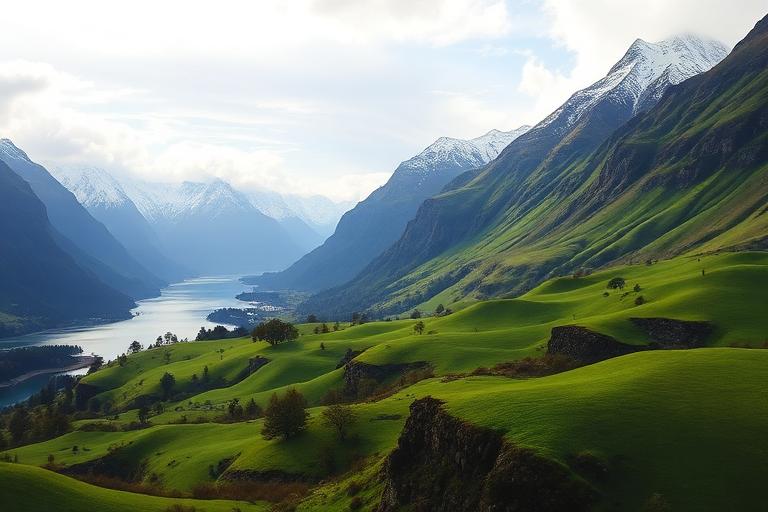
AI-generated editorial illustration — Unofficial AI-generated editorial illustration inspired by the destination and atmosphere of the film or series. Not an official poster or promotional image.
The Lord of the Rings Trilogy
New Zealand's jaw-dropping landscapes became Middle-earth — and travellers have been flocking there ever since.

The Bone People
by Keri Hulme · New Zealand