
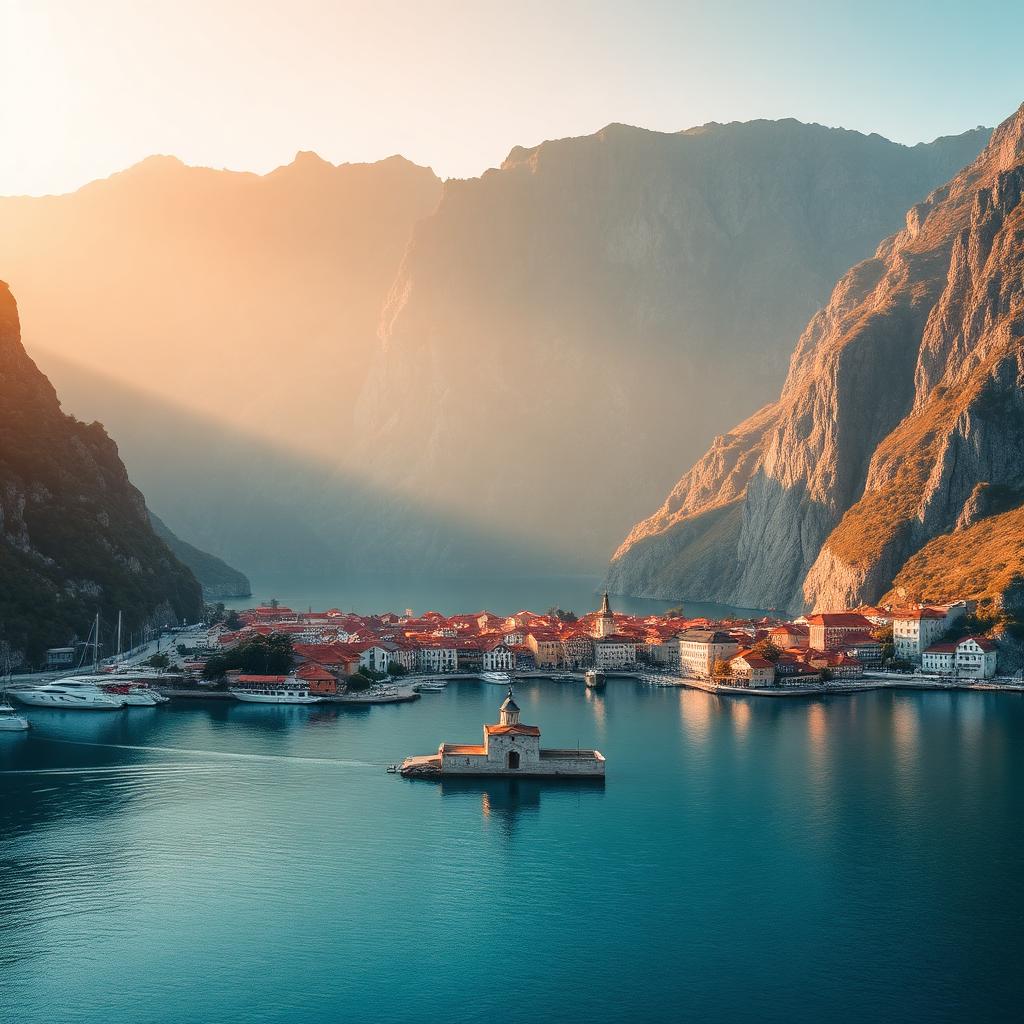
Montenegro
"A fjord, five national parks and a coastline the size of a long afternoon"
Montenegro at a glance
- Best time to go
- May, June and September are usually the best months: warm enough to swim, with lighter crowds and prices than July and August. Peak summer brings the biggest crowds to the coast, particularly Kotor and Budva, and inland mountain areas such as Durmitor are best from late spring through early autumn, once high trails clear of snow.
- How long to stay
- We'd suggest five to seven days to combine the Bay of Kotor coast with at least one inland stop, such as Durmitor National Park or Lake Skadar.
- Who it's for
- Travellers who like dramatic coastal scenery paired with mountains, and who enjoy a smaller, less crowded alternative to Croatia's better-known coast.
- Might not be for you if
- You want to avoid cruise ship crowds in Kotor. Its Old Town can get very busy when several ships are in port on the same summer day.
Montenegro is small enough to cross in a morning and dramatic enough to fill a fortnight. The Bay of Kotor folds like a Norwegian fjord with Venetian towns tucked into it, and an hour inland you're at Durmitor's glacial lakes and the second-deepest canyon on earth.
Best Time to Visit
May to June and September to October
Apr – Jun
Green, warm and calm; rafting season starts as the snowmelt eases.
Jul – Aug
Hot and very busy on the coast; head inland for air.
Sep – Oct
Warm sea, empty walls, golden light in the canyons.
Nov – Mar
Quiet coast, skiing at Kolašin and Žabljak.
Getting Around
Distances are tiny, roads are winding, and the coast bottlenecks badly in August.
🚗 Rental Car
Best option; the serpentine road above Kotor is worth the trip alone.
⛴️ Kamenari Ferry
Cuts across the bay and saves an hour versus driving around it.
🚌 Buses
Frequent along the coast between Herceg Novi, Kotor and Budva.
🚆 Bar–Belgrade Railway
One of Europe's most scenic train lines, viaducts and all.
💡 Two airports — Tivat for the bay, Podgorica for the mountains and the north.
Suggested Itineraries
Arrive Tivat
Settle in Kotor or Perast, harbour dinner.
Kotor Walls
Early climb, then old town and Blue Cave boat trip.
Lovćen & Njeguši
Mausoleum views, prosciutto tasting, Cetinje.
Durmitor
Drive north, Black Lake walk, mountain air.
Tara Canyon
Rafting or the Đurđevića bridge zipline.
Back to the Coast
Sveti Stefan and Budva old town.
Departure
Bay breakfast and fly out.
🍋 Not a race. Skip, swap, siesta — the world keeps spinning and you get to come back and finish the story.
Highlights
Must See
- Kotor old town & walls
- Perast and Our Lady of the Rocks
- Lovćen mausoleum
- Black Lake in Durmitor
Local Cuisine
Insider Tip
Climb Kotor's fortress walls at 7am — by 10 it's 35°C and full of cruise passengers.
Montenegro travel questions, answered
When is the best time to visit Montenegro?
May, June and September are commonly recommended for warm, swimmable weather without the peak-season crowds. July and August are hottest and busiest, especially in Kotor and along the coast. Durmitor and other mountain areas are best visited roughly from late spring to early autumn, once winter snow clears from higher trails.
Is Kotor crowded with cruise ship passengers?
It can be, particularly on days when multiple ships are in port, which is common in summer. Arriving early in the morning or later in the afternoon, after day-trippers have returned to their ships, is a common way to see Kotor's Old Town with fewer crowds.
Do you need a visa for Montenegro?
Many nationalities, including EU, UK, US, Canadian and Australian citizens, can enter visa-free for tourism, commonly for up to 90 days. Montenegro is not in the EU or Schengen Area, so check current requirements for your passport rather than assuming Schengen rules apply.
How many days do you need in Montenegro?
Five to seven days lets you combine the coast (Kotor, Perast, Budva) with an inland stop such as Durmitor National Park for hiking, or Lake Skadar for a slower, more rural pace.
Details last checked 22 September 2026.