
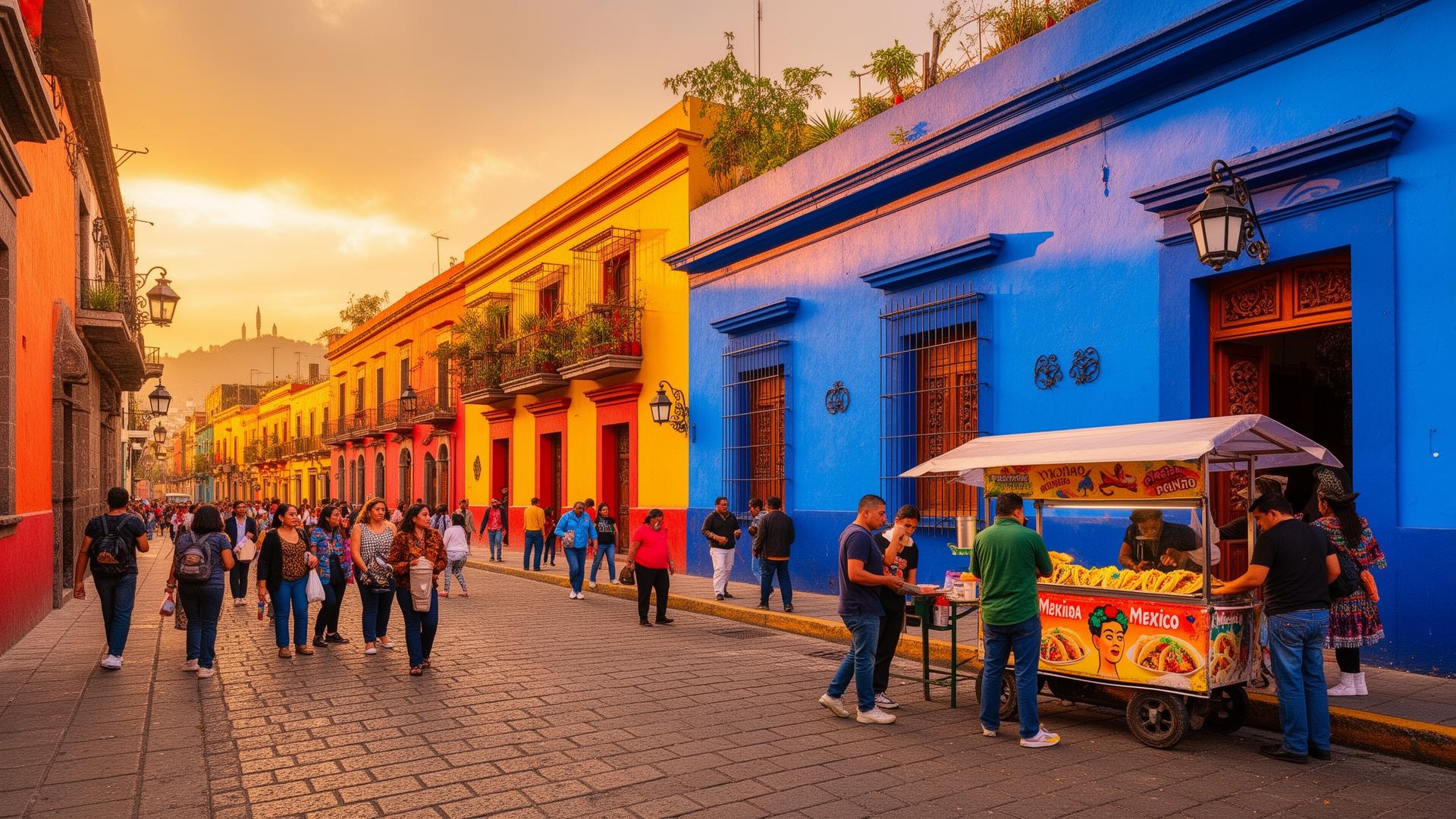
Mexico City, Mexico
"Tacos, art, and endless surprises"
Mexico City at a glance
- Best time to go
- Roughly March to May and October to November are often recommended: warm days, cooler evenings, and outside the heaviest summer rains. The rainy season, roughly June to September, usually brings short afternoon or evening downpours rather than all-day rain, and December brings cool, dry, crisp weather good for walking. Given the altitude (over 2,200 metres), evenings are cool year-round, so pack layers whatever month you visit.
- How long to stay
- We'd suggest four to five days to cover the historic centre, a couple of major museums, and neighbourhoods like Roma and Condesa at a relaxed pace.
- Who it's for
- Food, art and architecture lovers who want a huge, walkable, culturally rich capital with an excellent (if crowded) metro system.
- Might not be for you if
- You're sensitive to altitude or air quality. At over 2,200 metres, some visitors feel short of breath for the first day or two, and the city has periodic air quality concerns, particularly in the cooler, drier months.
Mexico City is one of the world's largest and most dynamic metropolises. From ancient Aztec ruins to world-class museums, vibrant markets to innovative restaurants, CDMX offers an intoxicating blend of history, culture, and incredible food.
Best Time to Visit
March to May (dry season with pleasant temperatures)
March to May (dry season with pleasant temperatures)
The recommended period for the most pleasant weather and best overall experience.
Shoulder Season
Fewer crowds and better prices, with generally acceptable weather conditions.
Off-Peak
Lowest prices and emptiest attractions, though weather may be less predictable.
Getting Around
CDMX is huge, but the Metro, Metrobús, and ride-hail apps make crossing it surprisingly quick and cheap.
🚇 Metro
12 lines, flat fare of ~5 pesos. Fastest option outside peak hours; avoid rush-hour crushes.
🚌 Metrobús
Dedicated BRT lanes crossing the city — Line 7 runs the length of Reforma past major sights.
📱 Uber / DiDi
Safer than street taxis, cheap, and English-friendly. The default choice for most visitors.
🚶 Walking
Roma, Condesa, Coyoacán, and the Centro Histórico are best explored on foot.
💡 Grab a rechargeable Tarjeta CDMX card — one card covers Metro, Metrobús, and the Cablebús gondolas.
Suggested Itineraries
Arrival & Roma-Condesa
Settle in, dinner in a leafy Roma restaurant.
Centro Histórico
Zócalo, Templo Mayor, Bellas Artes.
Teotihuacán
Full day at the pyramids.
Coyoacán & Frida Kahlo
Casa Azul (pre-booked), Coyoacán market and plaza.
Anthropology Museum
Mexico's greatest museum in Chapultepec Park.
Xochimilco & Southern Districts
Trajineras, San Ángel Saturday market, artisan crafts.
Departure
Brunch in Roma, transfer to airport.
🧭 Wandersparks rule: leave one thing undone on purpose. That's the little hook that pulls you back for round two.
Highlights
Must See
- Frida Kahlo Museum
- Teotihuacán Pyramids
- Chapultepec Castle
- Coyoacán neighborhood
Local Cuisine
Insider Tip
Join a local food tour to discover the best street food stands - the taco scene goes far beyond touristy spots.
Mexico City travel questions, answered
When is the best time to visit Mexico City?
Roughly March to May and October to November are often recommended for warm days, cool evenings and drier weather. The rainy season, roughly June to September, usually means a burst of rain in the afternoon or evening rather than an all-day washout, and mornings often stay clear. December is cool, dry and good for walking, though it's also a busy travel period around the holidays.
How many days do you need in Mexico City?
Four to five days lets you properly cover the historic centre (the Zocalo, the cathedral, nearby museums), at least one major museum such as the National Museum of Anthropology, and time to wander neighbourhoods like Roma and Condesa. Add a day for Teotihuacan, an easy trip from the city.
Is Mexico City's altitude a problem for visitors?
For some, yes, at least initially. Sitting above 2,200 metres, the city can leave visitors from lower elevations feeling short of breath, tired, or with a mild headache for the first day or two. Staying hydrated, taking it easy on your first day, and limiting alcohol early on are commonly recommended.
Is Mexico City safe for tourists?
Most visits to the well-touristed areas (the historic centre, Roma, Condesa, Polanco) are routine, though petty theft and pickpocketing are reported in crowded areas and on public transport, similar to any large capital. Check your own government's current travel advice for the latest area-specific guidance, since it's reviewed and updated periodically.
Details last checked 22 September 2026.
More sparks for Mexico City
Stories, films and books to keep the daydreaming going.
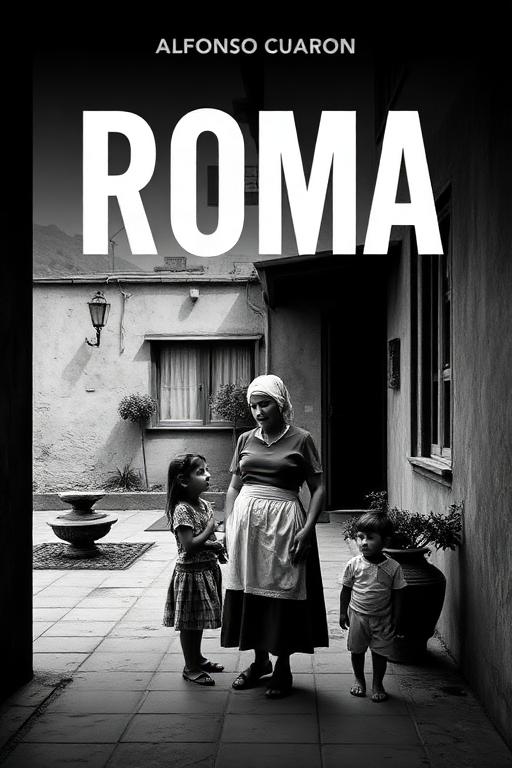
AI-generated editorial illustration — Unofficial AI-generated editorial illustration inspired by the destination and atmosphere of the film or series. Not an official poster or promotional image.
Roma
Discover the vibrant Roma and Condesa neighborhoods of Mexico City through Cuarón's masterful lens.

Like Water for Chocolate
by Laura Esquivel · Mexico