
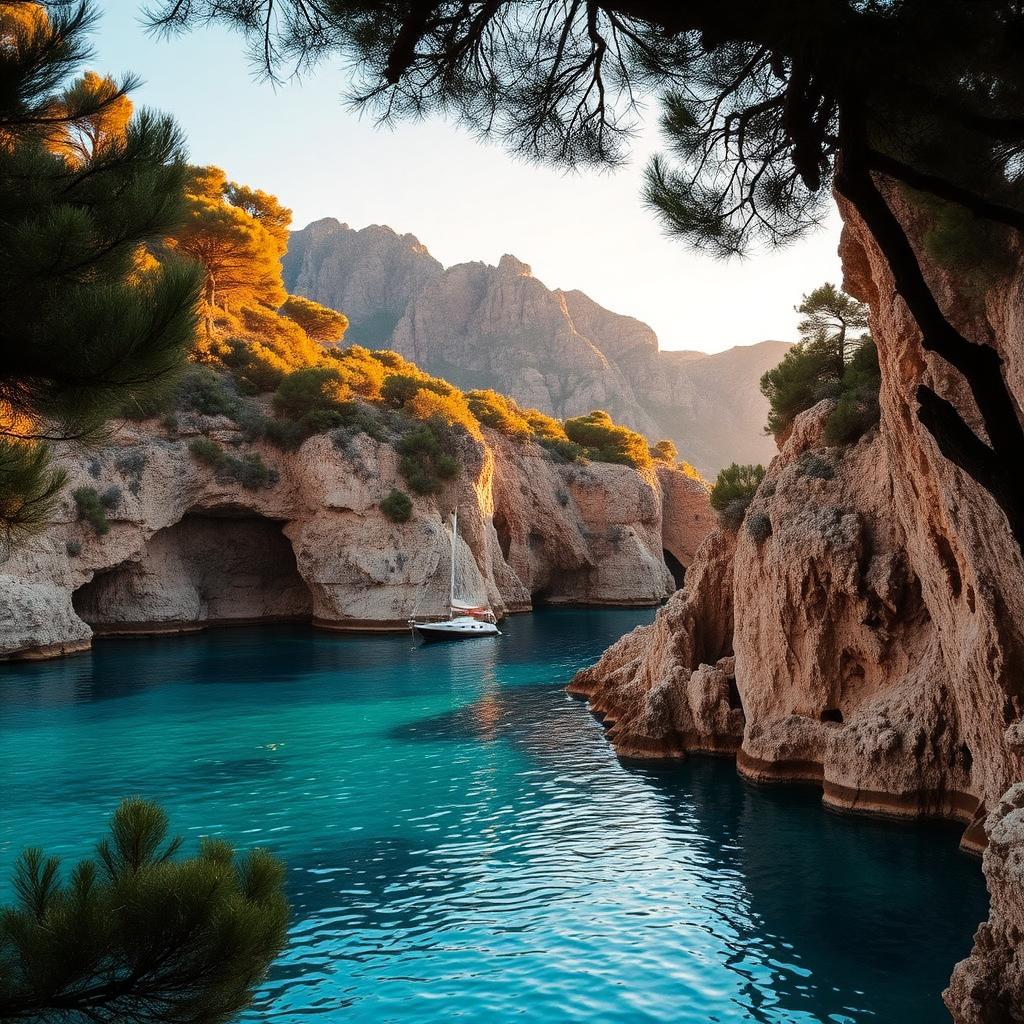
Mallorca, Spain
"Coves, cycling passes, and a mountain range hiding behind the resorts"
Mallorca at a glance
- Best time to go
- May, June and September are usually the best balance of warm, swimmable weather and manageable crowds. July and August are the hottest and busiest, with the most flights and cruise ship arrivals of the year. Winter is quiet and mild by northern European standards, and it's a good season for hiking the Serra de Tramuntana mountains without the summer heat.
- How long to stay
- We'd suggest five to seven days to combine Palma, a few beach days and at least one trip into the Tramuntana mountains or a smaller inland town.
- Who it's for
- Beach lovers, hikers and anyone who wants a mix of coast, mountains and an appealing old-town capital.
- Might not be for you if
- You want a quiet, undiscovered island experience in July or August. Mallorca gets very busy in peak summer, and overtourism has become a genuine local issue, with periodic protests over housing and visitor numbers.
- Worth knowing right now
- Mallorca has seen large public protests over tourism's impact on housing and daily life in recent summers. This doesn't typically affect visitors directly, but being a considerate guest, especially around housing and short-term rentals, is appreciated by residents.
Mallorca has a reputation problem: everyone pictures package hotels, and then they see the Serra de Tramuntana. Behind the coastline sits a UNESCO mountain range, stone villages, a vintage train to Sóller and cala after cala of impossibly clear water. It's the rare island that works for hikers, cyclists and people who just want a decent beach club.
Best Time to Visit
April to June and September to October
Mar – May
Almond blossom into warm spring; ideal hiking and cycling.
Jun – Aug
Peak beach season, warm sea, packed calas and top prices.
Sep – Oct
Warmest water of the year with half the crowds.
Nov – Feb
Quiet and mild, many coastal places closed, great for walking.
Getting Around
A car unlocks the island; Palma itself is walkable and better without one.
🚗 Rental Car
Essential for coves and mountain villages. Book far ahead in summer.
🚆 Sóller Train
A 1912 wooden train from Palma over the mountains — a ride, not just transport.
🚲 Road Bike
World-class cycling; the Sa Calobra descent is a pilgrimage.
🚌 TIB Buses
Decent network to the main towns, thin on the coastal roads.
💡 Drive the Ma-10 mountain road early — by midday it's a slow conga of coaches and cyclists.
Suggested Itineraries
Arrive Palma
Old town wander and a first ensaïmada.
Sóller
Vintage train over the mountains, tram to the port, orange juice everywhere.
West Coast
Deià swim at Cala Deià, Valldemossa in the late light.
Formentor
Cap de Formentor viewpoints and Pollença old town.
Southeast Calas
Cala Mondragó, s'Amarador and Es Trenc sand.
Interior
Sineu market, wine tasting in Binissalem.
Departure
Palma market breakfast, then out.
🧭 Wandersparks rule: leave one thing undone on purpose. That's the little hook that pulls you back for round two.
Highlights
Must See
- Cap de Formentor
- Valldemossa & Deià
- Cala s'Almunia
- Palma's old town
Local Cuisine
Insider Tip
The best calas have no car park worth the name — arrive before 10am or plan on parking a long walk away.
Mallorca travel questions, answered
When is the best time to visit Mallorca?
May, June and September are usually the sweet spot: warm enough to swim, with fewer crowds and lower prices than peak summer. July and August are the busiest and hottest, with the island's airport and cruise terminal at their fullest. Winter is mild and quiet, and popular for hiking the Tramuntana mountains without summer heat.
Is there a tourist tax in Mallorca?
Yes. The Balearic Islands, including Mallorca, charge a tourist tax per person per night, which varies by accommodation type and season, and is usually collected by your accommodation. Check current rates with your accommodation when booking, since they're reviewed periodically.
Why are there anti-tourism protests in Mallorca?
Large demonstrations have taken place in Palma in recent summers, with residents raising concerns about housing costs, over-crowding, and the sustainability of the island's tourism model. These protests haven't generally targeted individual tourists, but the sentiment is real, and being a considerate, lower-impact visitor, particularly around short-term rentals, is appreciated.
How many days do you need in Mallorca?
Five to seven days lets you combine Palma's old town, a few beach days on the east or south coast, and time in the Serra de Tramuntana mountains, which run along the island's northwest coast. Add more time if you want to island-hop to Menorca or Ibiza.
Details last checked 22 September 2026.