
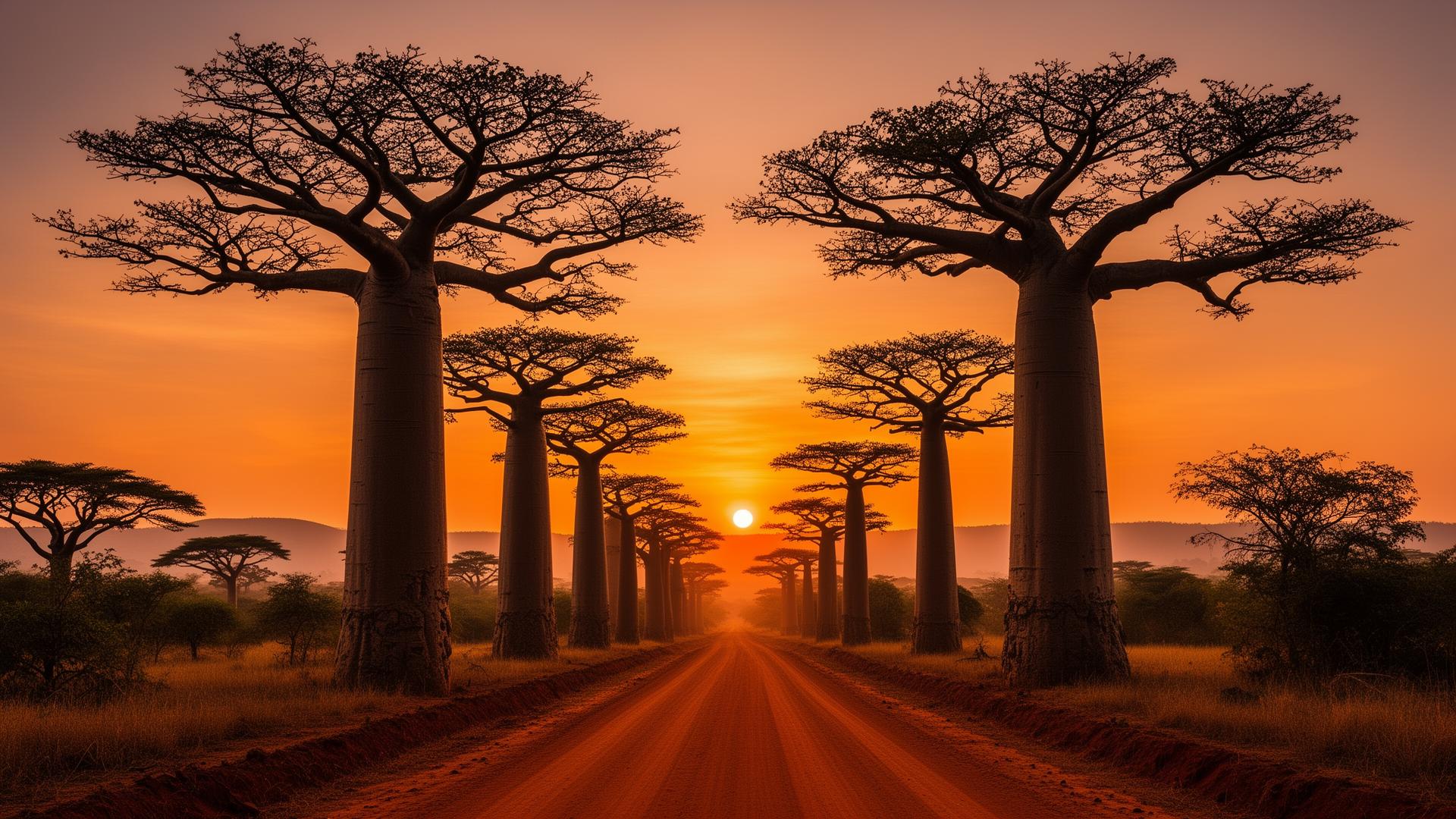
Madagascar
"Encounter unique wildlife in an island paradise"
Madagascar at a glance
- Best time to go
- Roughly April to November is the dry season and the most reliable time to travel, with June to September the coolest and most comfortable for trekking. The wet season, roughly December to March, brings cyclone risk, particularly to the east coast, along with lush scenery and reptile-watching opportunities for the more adventurous.
- How long to stay
- We'd suggest twelve to fourteen days to combine a couple of national parks with a beach stop, since Madagascar's limited domestic flight network and long overland routes mean distances take longer than expected.
- Who it's for
- Wildlife enthusiasts, especially those keen on lemurs, chameleons and unusual landscapes such as the Avenue of the Baobabs and the Tsingy limestone formations.
- Might not be for you if
- You're short on time. Madagascar's road and flight infrastructure is limited, so a rushed, multi-region trip usually means more time in transit than at your destinations.
Madagascar is a biodiversity hotspot like no other, home to species found nowhere else on Earth. From charismatic lemurs to bizarre baobab trees, this island nation offers wildlife encounters and landscapes that seem from another planet.
Best Time to Visit
April to November (dry season)
April to November (dry season)
The recommended period for the most pleasant weather and best overall experience.
Shoulder Season
Fewer crowds and better prices, with generally acceptable weather conditions.
Off-Peak
Lowest prices and emptiest attractions, though weather may be less predictable.
Getting Around
Madagascar's poor roads make travel slow — internal flights save days between the north, west, and south.
✈️ Tsaradia Domestic Flights
Antananarivo to Nosy Be, Diego Suarez, and Tulear — essential for long distances.
🚙 4x4 with Driver
The standard way to tackle rough roads to national parks and remote regions.
🚐 Taxi-Brousse
Shared minibuses are the local option — cheap but slow and cramped.
⛴️ Pirogue & Speedboat
The only way to reach parts of the coast and offshore islands like Nosy Be.
💡 Domestic flights get cancelled — always keep a buffer day before international connections out of Antananarivo.
Suggested Itineraries
Antananarivo
City walk, craft market.
Andasibe Rainforest
Night walk for chameleons and mouse lemurs.
Indri Trek
Morning trek for indri, afternoon lemur island.
Fly to Nosy Be
Beach transfer, sunset.
Nosy Iranja
Sandbank island day trip.
Snorkel Day
Marine reserve snorkel and lunch.
Depart
Fly back to Antananarivo and home.
🌙 Pace yourself, spark-chaser. A trip you actually remember beats a checklist you barely survived.
Highlights
Must See
- Avenue of the Baobabs
- Andasibe-Mantadia National Park
- Tsingy de Bemaraha
- Nosy Be
Local Cuisine
Insider Tip
Hire a local guide - they're essential for spotting wildlife and navigating remote areas.
Madagascar travel questions, answered
When is the best time to visit Madagascar?
Roughly April to November is the dry season and the most popular and reliable time to visit, with June to September generally coolest and best for trekking. The wet season, roughly December to March, brings the highest cyclone risk, particularly on the east coast, along with lower prices and excellent reptile activity for specialists who can be flexible.
When can you see baby lemurs in Madagascar?
Timing varies by species and region, but many lemur births and sightings of young lemurs cluster around September to November, alongside the tail end of the dry season. Adult lemurs can be seen year-round in most of the well-known reserves, such as Andasibe.
When is whale watching season in Madagascar?
Roughly July to September is commonly cited for humpback whale sightings around spots such as Ile Sainte-Marie and Nosy Be, coinciding with the dry season's calmer seas.
How many days do you need in Madagascar?
We'd suggest twelve to fourteen days to properly combine two or three regions, for example a national park focused on lemurs, the Tsingy limestone formations, and a beach stay. Given the limited domestic flight network and long overland drives, trying to cover more than that in a short trip usually means sacrificing time on the ground.
Details last checked 22 September 2026.