
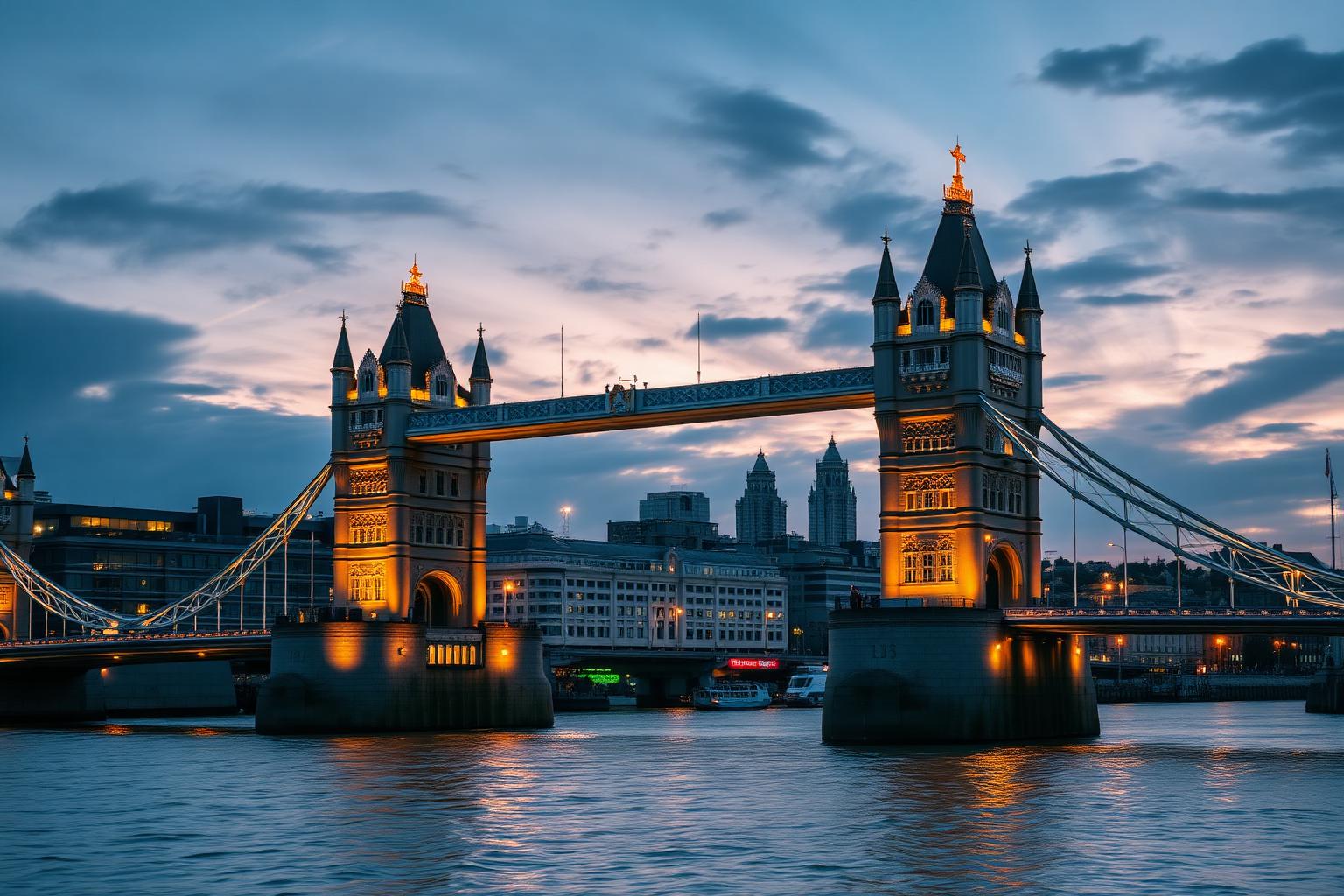
London, England
"Royal pageantry meets punk energy along the Thames"
London at a glance
- Best time to go
- Spring (March to May) and autumn (September to November) usually offer the best mix of mild weather and manageable crowds. Summer is busy and can be surprisingly hot for a city with limited air conditioning in older buildings, and winter is cold and often grey but atmospheric around the Christmas lights and markets.
- How long to stay
- We'd suggest four to five days to cover a few central areas properly, and a week or more if you want to include day trips or slow down and wander.
- Who it's for
- History, museum and theatre lovers who like a city that rewards both a packed itinerary and aimless wandering.
- Might not be for you if
- You're relying on cash. Many buses and some shops are contactless or card-only, and Tube fares are also tapped rather than bought as paper tickets in most cases.
London is a shape-shifter — one street feels like Dickens, the next like a Brick Lane curry house crossed with a fintech office. World-class museums are mostly free, the pubs are unbeatable, and every neighbourhood has its own accent, market and identity.
Best Time to Visit
May to September for long daylight and park life
May – Jun
Warm days, blooming parks (Regent's, Hyde), Chelsea Flower Show, everything green.
Jul – Aug
Peak tourist season, outdoor theatre, Notting Hill Carnival — but crowded and expensive.
Sep – Oct
Golden light, London Fashion Week, Frieze Art Fair, fewer tourists.
Dec
Christmas lights on Oxford & Regent Street, ice rinks at Somerset House and the Tower.
Getting Around
London runs on the Tube, buses and an ever-expanding rail network — all payable by tapping a contactless card.
🚇 Underground (Tube)
11 lines covering the whole city. Runs ~5am–midnight, with Night Tube on Fri/Sat on several lines.
🚌 Red Buses
24-hour network — top deck of a route 11, 15 or 24 is the cheapest sightseeing tour in town.
🚆 Overground & Elizabeth Line
Fast surface rail linking outer boroughs, plus the Elizabeth line east–west across the city.
🚕 Black Cabs & Ubers
Iconic but pricey. Ubers and Bolts widely available.
🚲 Santander Cycles
Docked bikes across zone 1–2; safest along the growing Cycle Superhighway network.
💡 Just tap in and out with a contactless bank card or phone — daily fare caps apply automatically, no Oyster needed.
Suggested Itineraries
Arrival & South Bank
Settle in, gentle walk from Westminster along the Thames to Tate Modern, dinner at Borough Market.
Westminster & Royal London
Westminster Abbey, Churchill War Rooms, Buckingham Palace, St James's Park, afternoon tea at Fortnum & Mason.
British Museum & Bloomsbury
Focused 3-hour Museum visit, lunch in Bloomsbury, afternoon at Sir John Soane's Museum, dinner in Covent Garden.
Tower & the City
Tower of London, Tower Bridge, St Paul's Cathedral, Sky Garden at sunset (free, book ahead).
Greenwich day trip
Thames Clipper down to Greenwich, Cutty Sark, Royal Observatory and Prime Meridian, walk in Greenwich Park.
East End & Notting Hill
Brick Lane and Spitalfields morning, Portobello Market in the afternoon (Sat is peak), dinner in Notting Hill.
V&A & departure
Slow morning at the V&A or Natural History Museum in South Kensington, Harrods, transfer to airport.
✨ Feeling dizzy already? Breathe. This is a menu, not a to-do list — skip a stop, nap by a fountain, leave a couple of sparks for next time.
Highlights
Must See
- Tower of London
- British Museum
- Borough Market
- Hampstead Heath
Local Cuisine
Insider Tip
Get an Oyster or contactless card and ride the top deck of a red bus — cheapest sightseeing tour in town.
London travel questions, answered
When is the best time to visit London?
Spring and autumn are usually the most comfortable, with milder weather and thinner crowds than summer. Summer is popular and can get uncomfortably warm indoors, since many older buildings and some Tube lines lack air conditioning. Winter is cold and often overcast, but the Christmas lights, markets and shorter museum queues have their own appeal.
How do you pay for the Tube and buses in London?
A contactless bank card or phone payment works directly on the Tube, buses, and most other Transport for London services, with a daily cap that stops you paying more than a set amount per zone combination in a day. An Oyster card works the same way and can be worth getting for a longer stay. Buses are contactless or Oyster only; they don't accept cash.
How many days do you need in London?
Four to five days lets you properly cover a couple of central areas plus some of the major sights and museums. A week or more allows for day trips (Oxford, Bath or Windsor, for example) or a slower pace with room for markets and neighbourhood wandering.
Is London safe for tourists, and is pickpocketing common?
Most visits are routine, but pickpocketing does happen, particularly on crowded Tube trains, at major tourist sites, and around busy shopping streets. Keeping bags zipped and in front of you in dense crowds is a commonly recommended precaution, much like in any large, busy city.
Details last checked 22 September 2026.
More sparks for London
Stories, films and books to keep the daydreaming going.
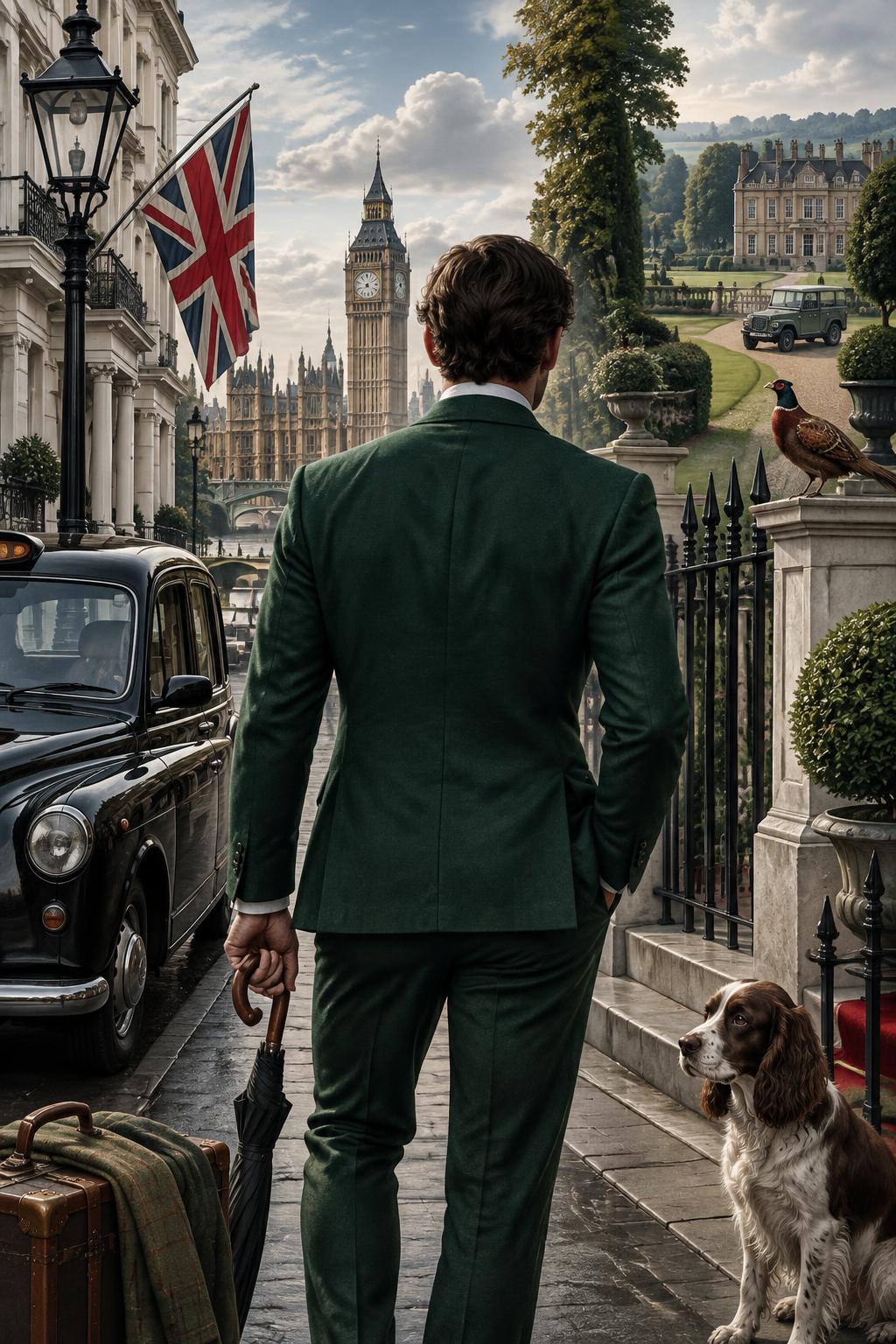
AI-generated editorial illustration — Unofficial AI-generated editorial illustration inspired by the destination and atmosphere of the film or series. Not an official poster or promotional image.
The Gentlemen
A stylish crime caper that moves between London's polished townhouses, shadowy corners and the English countryside.