
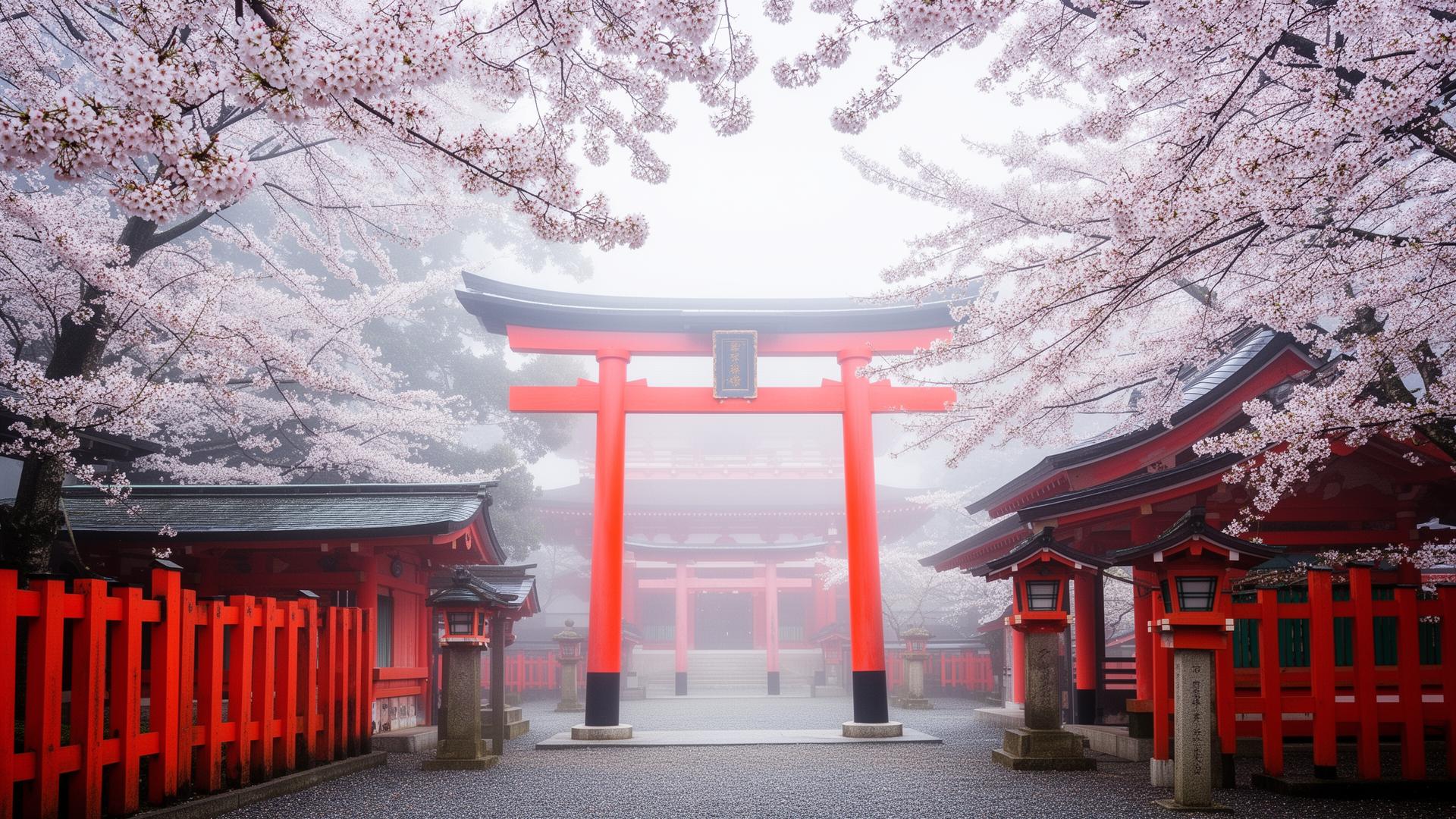
Kyoto, Japan
"Ancient traditions bloom eternal"
Kyoto at a glance
- Best time to go
- Late March to early April (cherry blossoms) and November (autumn foliage) are the most popular and busiest windows. Early summer (June) and late autumn into early winter are quieter alternatives with pleasant temperatures. Winter is cold but far less crowded, and some gardens take on a stark, minimalist beauty under a light snow.
- How long to stay
- We'd suggest three to four days to properly cover the main temple areas (Higashiyama, Arashiyama and a couple of others) at an unhurried pace, since Kyoto rewards slow mornings and quiet side streets as much as its headline sights.
- Who it's for
- Temple and garden lovers, and anyone who wants a calmer, more traditional counterpoint to Tokyo.
- Might not be for you if
- You want to photograph Gion's private alleys or its geiko and maiko up close. Kyoto restricts and, in places, bans tourist access and photography there, with fines for anyone who ignores the signs.
Kyoto, once the capital of Japan, is a city where traditional culture and history are preserved. With over 2,000 temples and shrines, traditional wooden houses, stunning gardens, and geisha districts, Kyoto offers a glimpse into Japan's rich cultural heritage.
Best Time to Visit
March-May (cherry blossoms) or October-November (fall foliage)
Late Mar – Mid Apr (Cherry Blossoms)
Kyoto's most magical time. Philosopher's Path and Maruyama Park transform into pink wonderlands.
Mid Nov – Early Dec (Autumn)
Spectacular fall foliage at Tōfuku-ji, Eikan-dō, and Arashiyama. Evening illuminations at temples.
Jun – Aug (Summer)
Hot and humid but features the Gion Matsuri festival in July — Japan's most famous celebration.
Jan – Feb (Winter)
Fewest crowds, occasional snow on temples (magical!), and peaceful zen garden contemplation.
Getting Around
Japan's transport system is legendary for punctuality and coverage. Kyoto is well-connected by train to all major destinations.
🚅 Shinkansen (Bullet Train)
Lightning-fast connections to Tokyo, Osaka, Hiroshima. Get a Japan Rail Pass for multi-city trips.
🚌 Kyoto City Bus
The main way to get around Kyoto. Buy a day pass for unlimited rides to all major temples.
🚂 JR & Private Railways
Trains connect Kyoto to Nara, Uji, Osaka, and Arashiyama quickly and cheaply.
🚲 Bicycle
Kyoto is flat and bike-friendly. Rental shops are everywhere — a fantastic way to explore.
💡 Get a 7-day Japan Rail Pass if visiting multiple cities — it pays for itself with just one round-trip shinkansen ride.
Suggested Itineraries
Arrival & Gion
Settle in, evening walk through Gion and Pontochō alley.
Fushimi & Higashiyama
Fushimi Inari at sunrise, Kiyomizu-dera, Sannenzaka lanes, tea in a machiya.
Arashiyama
Bamboo grove, Tenryū-ji, Monkey Park, boat down the Hozu River.
Kinkaku-ji & Zen Gardens
Golden Pavilion, Ryōan-ji rock garden, lunch at Daitoku-ji shōjin ryōri.
Nara Day Trip
Todai-ji, Kasuga Taisha, deer park, back to Kyoto for the evening.
Osaka Food Day
Rapid train to Osaka, Dōtonbori street food, Osaka Castle, back after dinner.
Nishiki & Departure
Nishiki 'Kyoto's Kitchen' market, souvenir shopping, transfer to Kansai airport.
🎈 If it starts feeling like homework, delete a day. Wander a market. Eat a second pastry. That's the itinerary now.
Highlights
Must See
- Kinkaku-ji
- Arashiyama Bamboo Grove
- Gion District
- Philosopher's Path
Local Cuisine
Insider Tip
Visit temples early morning to avoid crowds and experience the peaceful atmosphere.
Kyoto travel questions, answered
When is the best time to visit Kyoto?
Late March to early April for cherry blossoms and November for autumn foliage are the two most popular windows, and also the busiest and most expensive. June, before the rainy season, and late autumn into early winter offer a calmer alternative with good weather. Winter is quiet and atmospheric, especially around snow-dusted temples, though some gardens and sites keep shorter hours.
Can you take photos in Kyoto's Gion district?
On the main public streets, yes. In Gion's private alleys, no: since 2024, Kyoto has banned tourists from entering several private lanes off the main streets, with signs warning of a fine for anyone who ignores them, following years of complaints about tourists chasing and photographing geiko and maiko. Ask before photographing anyone in traditional dress, and stick to the public streets, particularly Hanamikoji Street, which remains open.
How many days do you need in Kyoto?
Three to four days lets you take in the main temple districts, such as Higashiyama, Arashiyama and central Kyoto, without rushing. Add a day if you'd like a slower pace or a side trip to Nara or Uji.
Is Kyoto very crowded with tourists?
In the popular seasons and at headline sights, yes, and it's one of the clearest examples of Japan's overtourism debate. Visiting less iconic temples, starting early in the day, and going in a shoulder season such as June or late autumn are common ways to find a quieter Kyoto.
Details last checked 22 September 2026.
More sparks for Kyoto
Stories, films and books to keep the daydreaming going.
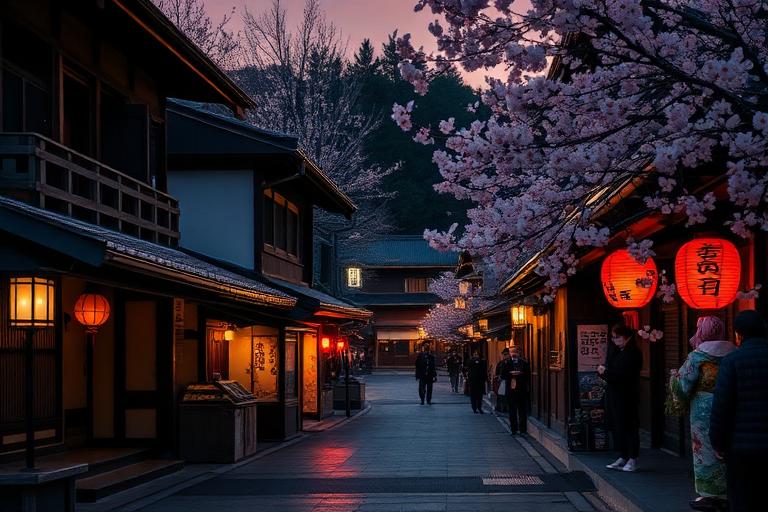
AI-generated editorial illustration — Unofficial AI-generated editorial illustration inspired by the destination and atmosphere of the film or series. Not an official poster or promotional image.
Memoirs of a Geisha
Step into the secretive world of geisha in Kyoto's atmospheric Gion district and ancient temples.

Norwegian Wood
by Haruki Murakami · Tokyo & Kyoto, Japan