
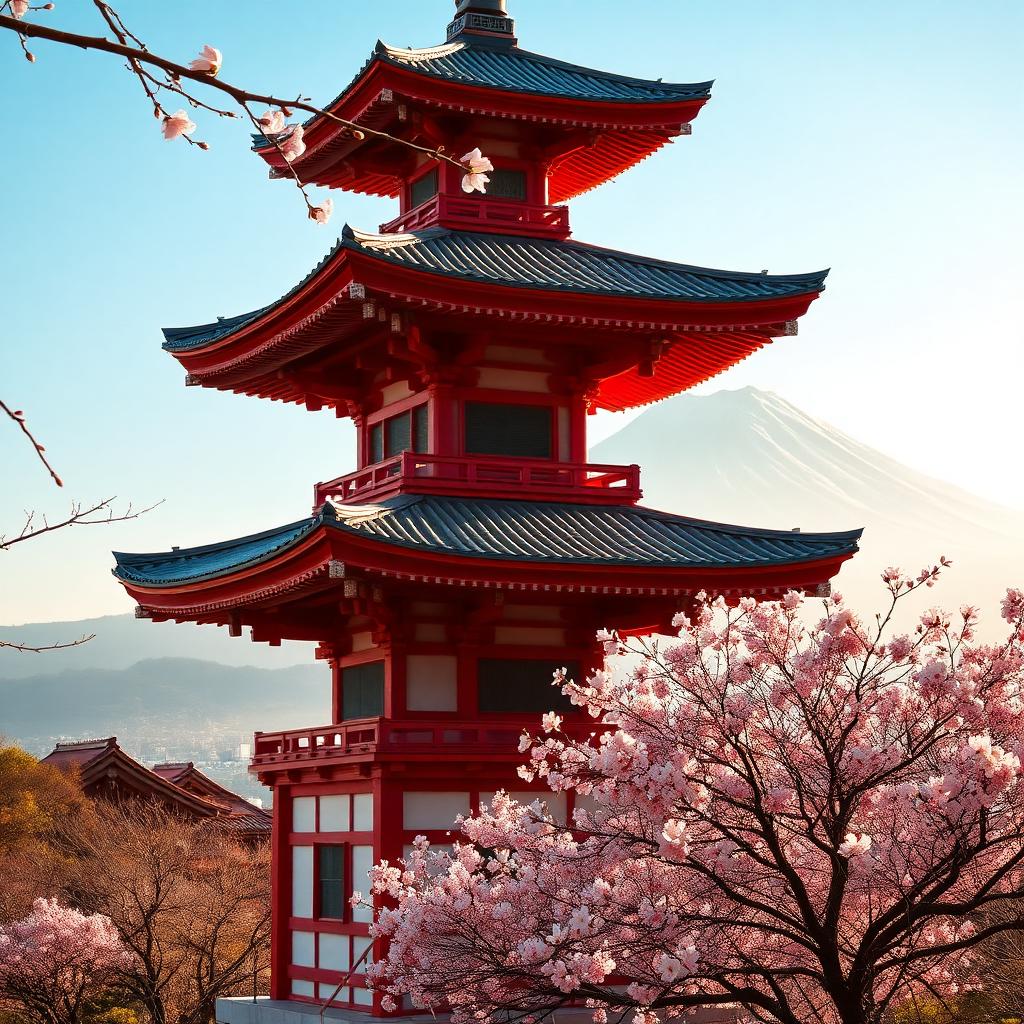
Japan
"Bullet trains, quiet shrines, and the best food on earth"
Japan at a glance
- Best time to go
- Spring (roughly late March to early April, for cherry blossoms) and autumn (October to November, for foliage) are the two classic windows, and also the busiest and most expensive. Early summer (June, before the rainy season) and early autumn (September to October) are quieter alternatives with pleasant weather. Winter suits Hokkaido skiing and clear views of Mount Fuji, and summer is hot and humid but good for festivals and high-altitude hiking.
- How long to stay
- We'd suggest ten days to two weeks to combine Tokyo, Kyoto and one more region without feeling rushed, since train travel between cities is fast but adds up over a longer itinerary.
- Who it's for
- First-timers chasing temples, food and neon-lit cities, and repeat visitors chasing regional food, onsen towns or ski season.
- Might not be for you if
- You're chasing peak cherry blossom or peak autumn colour on a fixed date booked far in advance: exact timing varies year to year and is usually only forecast with real confidence a couple of weeks out.
- Worth knowing right now
- Some popular areas, including neighbourhoods in Kyoto, have introduced visitor conduct rules or access limits in response to overtourism, and Japan Rail Pass pricing has changed in recent years, so check current terms before assuming an older guide is still accurate.
Japan is the rare country that rewards both the planner and the wanderer. Neon megacities sit an hour by train from cedar forests and hot-spring villages, temple gardens are raked before breakfast, and even a convenience-store sandwich is suspiciously good. Come for the culture, stay because everything works.
Best Time to Visit
March to May (cherry blossoms) and October to November (autumn colours)
Mar – May (Spring)
Cherry blossoms roll north from Kyushu to Hokkaido. Beautiful, mild, and very busy.
Jun – Aug (Summer)
Rainy season in June, then hot and humid. Festival season and hiking in the Alps.
Sep – Nov (Autumn)
The sweet spot: crisp air, red maples, fewer crowds than spring.
Dec – Feb (Winter)
Powder snow in Hokkaido, quiet temples in Kyoto, and onsen weather at its best.
Getting Around
Japan's rail network is the backbone of any trip — punctual, spotless, and reaching nearly every corner of the country.
🚄 Shinkansen
Bullet trains link Tokyo, Kyoto, Osaka, Hiroshima and beyond at 300 km/h. Reserve seats in peak season.
🎫 IC Card (Suica/ICOCA)
One tap card for metros, buses, lockers and convenience stores across most of the country.
🚌 Highway Buses
Overnight buses are a third of the train price and save a night of accommodation.
🚗 Rental Car
Only worth it for rural Hokkaido, Tohoku or the Japanese Alps — cities are better car-free.
💡 Google Maps transit directions are accurate to the minute in Japan, including which train carriage to board.
Suggested Itineraries
Arrive in Tokyo
Narita/Haneda transfer, settle in Shinjuku or Shibuya, first ramen and a gentle neighbourhood walk.
Tokyo Classics
Senso-ji, Nakamise shopping street, teamLab or the Imperial Palace gardens, Shibuya at night.
Tokyo Neighbourhoods
Tsukiji Outer Market breakfast, Harajuku and Omotesando, Golden Gai for a nightcap.
Shinkansen to Kyoto
Morning bullet train, afternoon at Fushimi Inari (go late, the crowds thin), dinner in Pontocho.
Kyoto Temples
Kinkaku-ji, Ryoan-ji rock garden, Arashiyama bamboo grove and the Katsura riverside.
Nara Day Trip
45 minutes by train: Todai-ji's Great Buddha, deer park, then Gion at dusk back in Kyoto.
Osaka & Departure
Dotonbori street food crawl and Osaka Castle before flying out of Kansai.
☕ Too much? Totally allowed to swap a monument for a long lunch. The place isn't going anywhere, and neither is your curiosity.
Highlights
Must See
- Tokyo
- Kyoto's temple districts
- Mount Fuji & Hakone
- Hiroshima & Miyajima
Local Cuisine
Insider Tip
Buy a Japan Rail Pass only if you're doing long-distance hops — for a Tokyo–Kyoto–Osaka loop, single tickets are usually cheaper.
Japan travel questions, answered
When is the best time to visit Japan?
Spring (roughly late March to early April) for cherry blossoms and autumn (October to November) for foliage are the two most popular windows, and also the most expensive and crowded. June, right before the rainy season, and September to October are often recommended as calmer alternatives with good weather. Winter suits Hokkaido skiing and clear Mount Fuji views, while summer is hot, humid and good for festivals.
Is the Japan Rail Pass still worth it?
It depends on your route. The pass's price has risen in recent years, and for many shorter or single-region itineraries, buying individual shinkansen tickets can now work out cheaper, whereas it can still make sense for longer, multi-region trips. Compare the current pass price against your planned route on the official Japan Rail Pass website before buying.
Do you need a visa for Japan?
Many nationalities, including US, UK, EU, Canadian and Australian passport holders, can enter visa-free for short tourist stays, commonly up to 90 days, though the exact length and any pre-registration requirements depend on your passport. Rules have been under discussion in recent years, so check current requirements for your nationality before booking.
How does overtourism affect visitors to Kyoto?
Some Kyoto neighbourhoods, particularly parts of the geisha district, have introduced rules restricting tourist access to certain private alleys, with fines possible for those who don't comply, following complaints about visitor behaviour. Being aware of and following posted local rules, especially around geisha and maiko, is expected of visitors.
Details last checked 22 September 2026.
More sparks for Japan
Stories, films and books to keep the daydreaming going.
Mountains, Museums & Desert Nights: Even More Hotels Worth Booking For Themselves
Inspiration · 7 min read
Read the story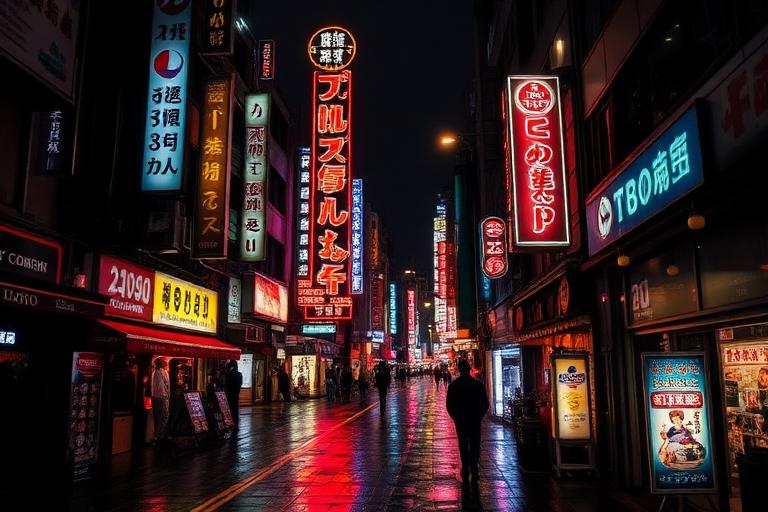
AI-generated editorial illustration — Unofficial AI-generated editorial illustration inspired by the destination and atmosphere of the film or series. Not an official poster or promotional image.
Tokyo Vice
Dive deep into Tokyo's criminal underworld and neon-soaked nightlife through the eyes of an American journalist.

Norwegian Wood
by Haruki Murakami · Tokyo & Kyoto, Japan