
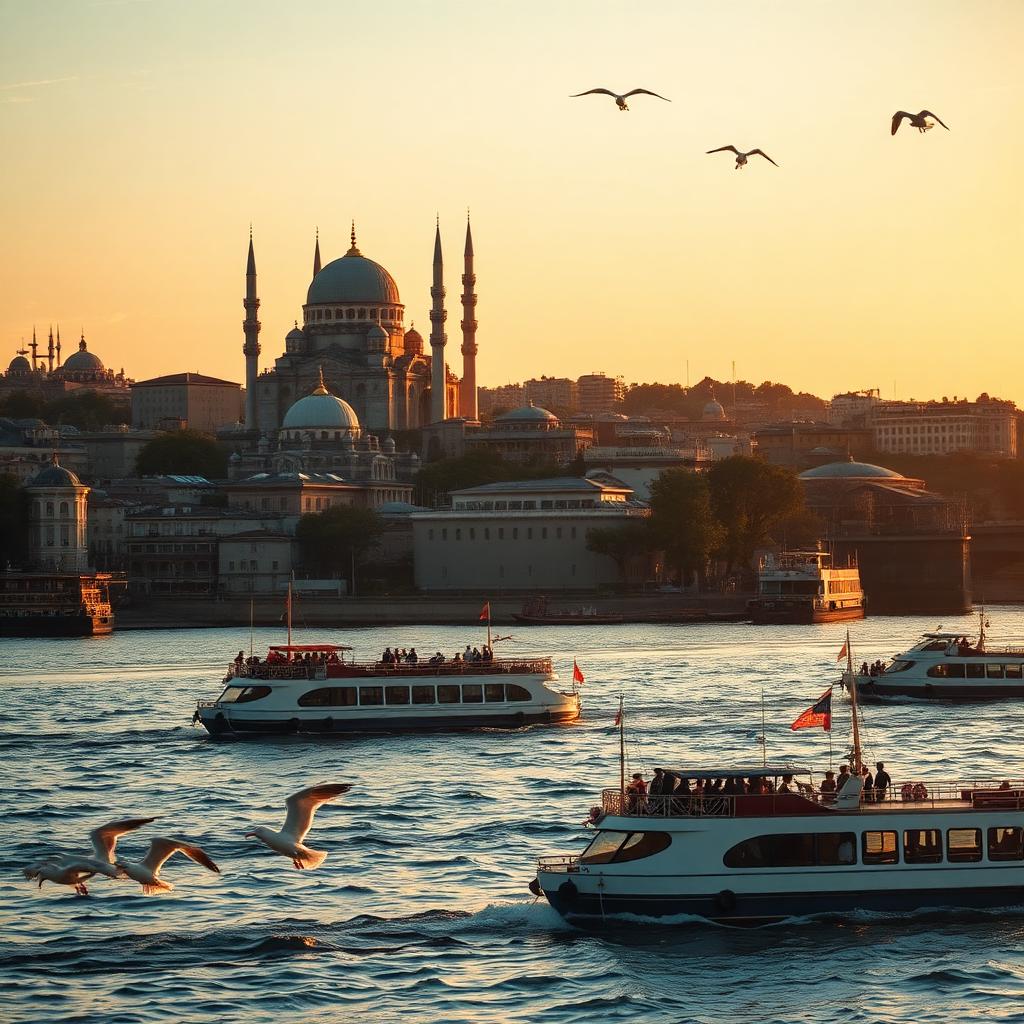
Istanbul, Turkey
"Two continents, one skyline, endless tulip-glass tea"
Istanbul at a glance
- Best time to go
- April to May and September to October are usually the most comfortable: mild temperatures and fewer crowds than midsummer. July and August are hot and busy, and winter is cool and quiet, good for museum-hopping without the queues.
- How long to stay
- We'd suggest three to four days for the historic peninsula, the Bosphorus and a couple of neighbourhoods, and five or more if you want to slow down and add a day trip.
- Who it's for
- History and food lovers who enjoy mosques, markets, ferries across the Bosphorus and a genuinely two-continent city.
- Might not be for you if
- You want a simple, static picture of the region's safety situation. Advisories for Turkey have shifted more than once through 2026, so it's worth checking close to your travel date rather than relying on older guides, including this one.
- Worth knowing right now
- Government travel advice for Turkey generally treats Istanbul's main tourist areas separately from the border regions in the southeast, which have carried heightened warnings amid regional tensions in 2026. Check current government advice before you travel.
Istanbul is the rare megacity that never feels generic. Byzantine domes and Ottoman minarets crowd the same hill, ferries carry commuters between Europe and Asia twice a day, and every neighbourhood has a different accent, bakery and bar scene. Come for Hagia Sophia, stay for the ferry rides and the second breakfast.
Best Time to Visit
April to May and September to October
Apr – May
Tulip season, mild days, ferry weather without the crowds.
Jun – Aug
Hot and busy; rooftop bars and Princes' Islands swims make up for it.
Sep – Oct
Warm sea breezes, golden light on the domes, the best all-round window.
Nov – Mar
Grey, drizzly, occasionally snowy — and the hammams and tea houses have never felt better.
Getting Around
Trams and ferries beat taxis in a city where traffic is a competitive sport.
🚊 Tram T1
Runs through Sultanahmet, Eminönü and Karaköy — the sightseeing spine.
⛴️ Ferries
The best value sightseeing in Europe: cross to Kadıköy or Üsküdar for the price of a bus ticket.
🚇 Metro & Funicular
Fast links to Taksim, the airport and the newer districts.
🚕 Taxis
Use an app so the meter is honest; expect slow going in rush hour.
💡 Stay on the European side for the sights, but eat dinner on the Asian side at least once.
Suggested Itineraries
Arrival
Settle in Karaköy or Beyoğlu, İstiklal walk, first meze dinner.
Old City
Hagia Sophia at opening, Blue Mosque, Hippodrome, Cistern.
Topkapı & Bazaars
Palace grounds, Grand Bazaar haggling, Süleymaniye views at dusk.
Bosphorus Cruise
Full-length ferry to Anadolu Kavağı, hilltop castle, seafood lunch.
Asian Side
Kadıköy food streets, Moda cafés, Üsküdar's waterfront mosques.
Balat & Fener
Colourful houses, antique shops, Chora Church mosaics, Golden Horn sunset.
Princes' Islands
Ferry to Büyükada, bike the car-free lanes, return for a last meyhane night.
🧭 Wandersparks rule: leave one thing undone on purpose. That's the little hook that pulls you back for round two.
Highlights
Must See
- Hagia Sophia & Blue Mosque
- Topkapı Palace
- Kadıköy on the Asian side
- Süleymaniye Mosque
Local Cuisine
Insider Tip
Get an İstanbulkart on arrival — it works on the ferries, trams, metro and even some public toilets.
Istanbul travel questions, answered
When is the best time to visit Istanbul?
April to May and September to October are usually the most comfortable months for walking around Istanbul's hills and historic sites. July and August are hot and crowded, and winter is quieter and cooler, which suits museum visits and indoor sights.
Is Istanbul currently safe to visit?
Most government travel advice treats Istanbul and Turkey's main tourist areas separately from specific border regions in the southeast, where heightened warnings have applied amid regional tensions during 2026. Petty crime and tourist-targeted scams are the more common everyday concern in Istanbul itself. Because advice has shifted more than once this year, check your own government's current guidance, for example the UK or US pages, close to your travel date.
Do you need a visa for Istanbul?
It depends on your passport. UK and Schengen-area citizens can generally enter visa-free for up to 90 days in any 180 days. Many other nationalities need an e-visa, applied for only through the official Turkish e-visa site, since lookalike sites charge extra or have issued fake e-visas.
How do you get around Istanbul as a visitor?
An Istanbulkart, a rechargeable transit card, covers trams, the metro, buses and ferries across the city, including the popular Bosphorus ferry crossings between the European and Asian sides. It's sold at kiosks and machines at major stations and the airport.
Details last checked 22 September 2026.