
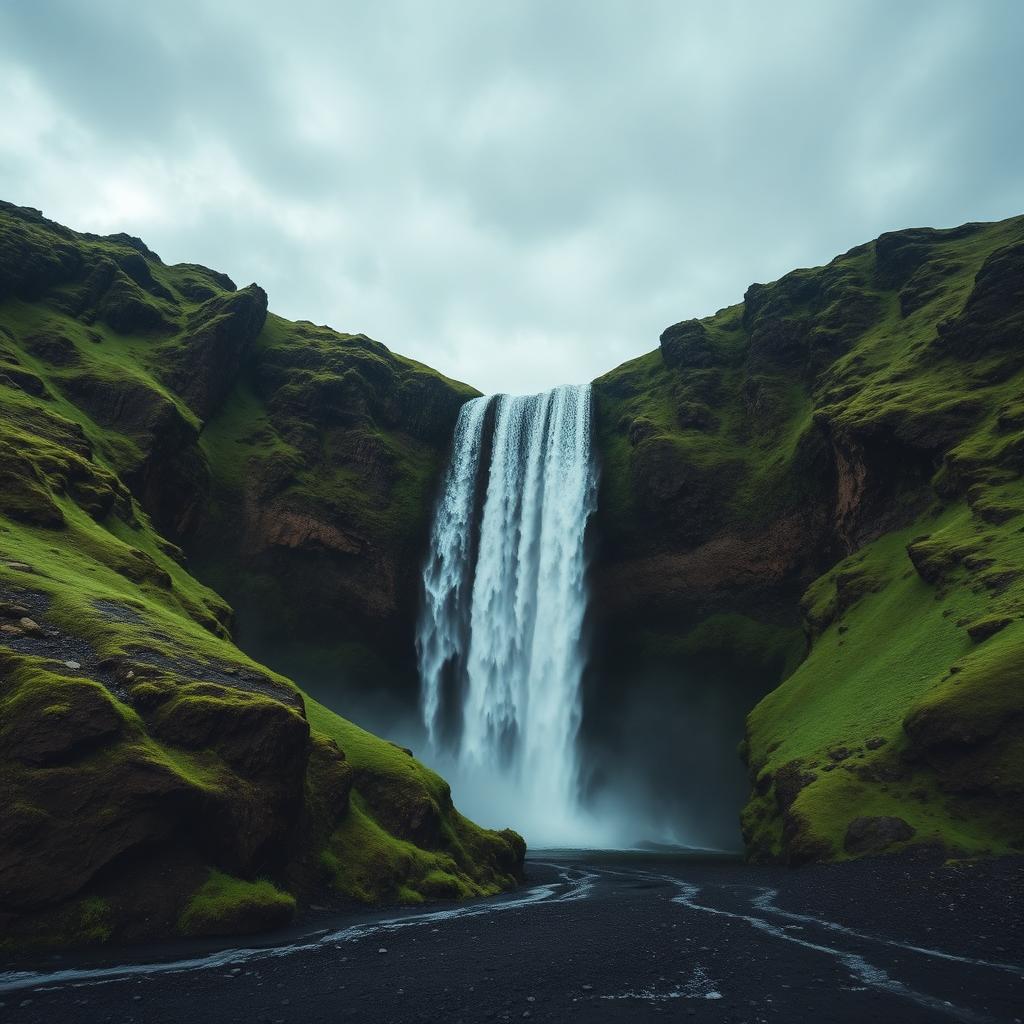
Iceland
"Fire, ice, and roads that end at the edge of the world"
Iceland at a glance
- Best time to go
- June to August gives the longest daylight and the only reliable window to drive the full Ring Road and the highland F-roads, which are normally closed the rest of the year. September to March is northern lights season, with November to March also being ice cave season. Whichever you choose, Iceland's interior is volcanically active, so it's worth checking current conditions before you travel.
- How long to stay
- We'd suggest seven to ten days to drive a good stretch of the Ring Road at a relaxed pace, or four to five days for a South Coast-focused trip without circling the whole island.
- Who it's for
- Road-trippers, waterfall chasers and northern lights hopefuls who don't mind changeable weather and, outside summer, long dark stretches of driving.
- Might not be for you if
- You want to drive the full Ring Road or the highland F-roads outside roughly June to September, when the interior tracks are normally closed and winter driving conditions can be serious.
- Worth knowing right now
- Iceland's Reykjanes Peninsula has had periods of volcanic and seismic activity in recent years, which have occasionally closed roads or, at times, tourist sites like the Blue Lagoon for safety. Check current conditions before you travel.
Iceland squeezes glaciers, volcanoes, black-sand beaches and geothermal lagoons into an island the size of Kentucky. One ring road loops the whole country, and the weather changes every twenty minutes — which is part of the deal.
Best Time to Visit
June to August for the midnight sun, September to March for the aurora
Jun – Aug
Midnight sun, highlands open, puffins nesting, all roads passable.
Sep – Oct
Aurora returns, autumn colour, prices drop and roads are still easy.
Nov – Feb
Ice caves, Northern Lights and 4–5 hours of daylight. Drive carefully.
Mar – May
Lengthening days, fewer visitors and waterfalls at full melt.
Getting Around
Self-drive is the only way to see Iceland properly; the Ring Road circles the island in about 1,330 km.
🚗 Rental Car
2WD is fine for the Ring Road in summer; you need 4WD for F-roads and winter.
🚐 Campervan
Combines transport and accommodation — must stay in designated campsites.
🚌 Guided Tours
The safest option in winter, when driving conditions turn quickly.
✈️ Domestic Flights
Reykjavík to Akureyri or Egilsstaðir saves a full day of driving.
💡 Check road.is and vedur.is every single morning — road closures and wind warnings are normal, not exceptional.
Suggested Itineraries
Arrival
Land at Keflavík, Reykjavík old harbour, early night.
Golden Circle
Þingvellir, Geysir, Gullfoss and Kerið crater.
South Coast
Waterfalls, Sólheimasandur plane wreck walk, night in Vík.
Glacier Country
Skaftafell hike, Jökulsárlón lagoon and Diamond Beach.
Back West
Return along the coast with stops you skipped, hot pot in Hveragerði.
Snæfellsnes Peninsula
Kirkjufell, black-pebble beaches and lava fields — Iceland in miniature.
Reykjavík & Departure
Sky Lagoon soak and a last lamb soup before the flight.
✨ Feeling dizzy already? Breathe. This is a menu, not a to-do list — skip a stop, nap by a fountain, leave a couple of sparks for next time.
Highlights
Must See
- Golden Circle
- Jökulsárlón glacier lagoon
- Seljalandsfoss & Skógafoss
- Blue Lagoon
Local Cuisine
Insider Tip
Fill up on food at Bónus supermarkets — restaurant prices are brutal and the fuel-station hot dogs only stretch so far.
Iceland travel questions, answered
When is the best time to visit Iceland?
June to August has the longest daylight and is the only time the highland F-roads are normally open, roughly mid-June to September, making it the easiest season for a full Ring Road drive. September to March is northern lights season, and November to March is generally best for stable, walkable ice caves. April, May, October and November tend to have lower prices and fewer crowds, trading off some access and daylight.
Can you drive the whole Ring Road in winter?
It's possible but much more demanding: sections can close temporarily for snow or ice, daylight is short, and a 4x4 with winter tyres is strongly advised. The south coast tends to be the mildest and most reliably open stretch. Always check road.is and the SafeTravel site before setting out in winter.
Is it safe to travel to Iceland given the volcanic activity?
Generally yes, and Icelandic authorities are well practised at managing it, but the Reykjanes Peninsula has had periods of unrest and eruptions in recent years, occasionally closing roads or specific attractions such as the Blue Lagoon for a time. Check SafeTravel and local news for the current status of any area you plan to visit.
Do you need to book the Blue Lagoon in advance?
Yes, it's strongly recommended. The Blue Lagoon uses timed entry and popular slots can sell out, especially in summer and around holidays. Book through the lagoon's own official site rather than a reseller, and check current opening status given the area's occasional volcanic activity.
Details last checked 22 September 2026.
More sparks for Iceland
Stories, films and books to keep the daydreaming going.

AI-generated editorial illustration — Unofficial AI-generated editorial illustration inspired by the destination and atmosphere of the film or series. Not an official poster or promotional image.
The Secret Life of Walter Mitty
Embark on an epic adventure through Iceland's otherworldly landscapes and the majestic peaks of the Himalayas.

Independent People
by Halldór Laxness · Iceland