
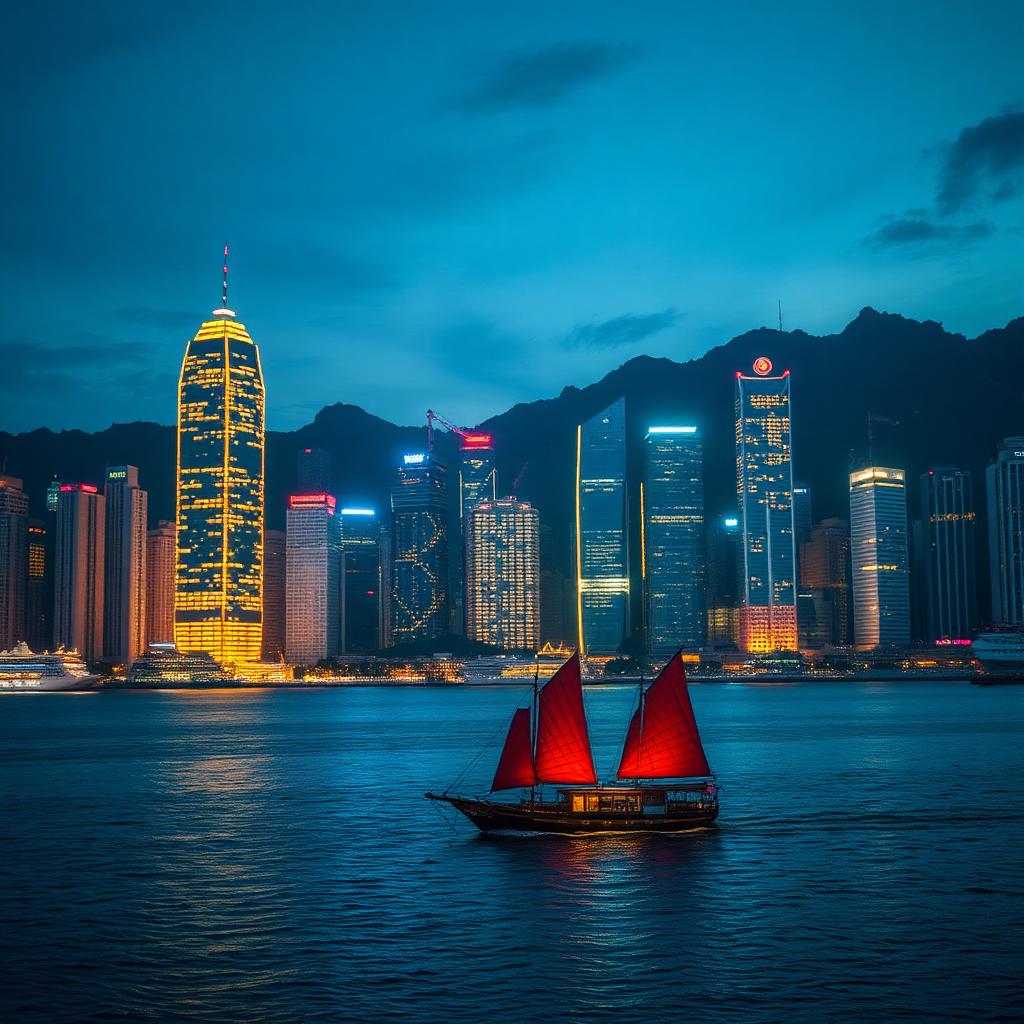
Hong Kong, China
"Skyscrapers, hiking trails, and dim sum at all hours"
Hong Kong at a glance
- Best time to go
- Roughly October to December is widely considered the best window: sunny, comfortable and less humid than summer. Spring (March to April) is pleasant but can be foggy, and June to September is hot, humid and typhoon season, when a high enough storm signal can shut down transport and businesses for a day.
- How long to stay
- We'd suggest four to five days to properly cover Hong Kong Island, Kowloon and one day trip or outlying island, and up to a week if you'd like a slower pace.
- Who it's for
- City lovers who enjoy a dense mix of skyline views, hiking trails, dim sum and harbour crossings, all reachable by excellent public transport.
- Might not be for you if
- You're travelling in a typhoon-prone month and need a fixed schedule. A high storm signal can ground flights and empty the streets with little warning.
Hong Kong stacks a vertical city against green mountains and 260 islands. Ten minutes from the world's most photographed skyline you can be on a ridge trail with nothing but kites overhead, or on a ferry to a fishing village where dinner arrives still flapping. It's fast, dense and surprisingly wild at the edges.
Best Time to Visit
October to December — dry, clear and comfortable
Oct – Dec
Clear skies, 20–26°C, the best hiking and skyline visibility of the year.
Jan – Mar
Cool and sometimes foggy; Chinese New Year fills the city with parades and closures.
Apr – Jun
Humid with rising rain; lush hillsides and fewer visitors.
Jul – Sep
Hot, wet and typhoon-prone. Cheapest flights, but plan indoor backups.
Getting Around
The MTR, trams and ferries make this one of the most navigable cities anywhere. Buy an Octopus card and forget about tickets.
🚇 MTR
Fast, cheap and signposted in English. Reaches the airport in 24 minutes.
🚋 Ding Ding Trams
Double-decker trams crawl through Hong Kong Island for pocket change.
⛴️ Star Ferry & Outlying Ferries
Harbour crossings and boats to Lamma, Cheung Chau and Lantau.
🚡 Peak Tram
Steep funicular to Victoria Peak — book a timed slot to skip the queue.
💡 Hiking trails start at MTR stations — pack shoes and you can be on a ridge within half an hour of dim sum.
Suggested Itineraries
Arrival
Airport Express in, evening on the Tsim Sha Tsui promenade for the light show.
Central & Sheung Wan
Man Mo Temple, antique streets, mid-levels escalator, PMQ design shops.
The Peak & Hiking
Peak circle walk in the morning light, then Pok Fu Lam country park.
Kowloon Deep Dive
Mong Kok markets, Kowloon Walled City Park, Chungking curry lunch.
Lantau
Ngong Ping cable car, Big Buddha, Tai O boat trip for pink dolphins.
Dragon's Back
Ridge hike to Big Wave Bay, swim, seafood dinner in Shek O.
Islands & Out
Ferry to Cheung Chau for bakery snacks, then the airport.
✨ Feeling dizzy already? Breathe. This is a menu, not a to-do list — skip a stop, nap by a fountain, leave a couple of sparks for next time.
Highlights
Must See
- Victoria Peak
- Star Ferry crossing
- Tai O fishing village
- Temple Street night market
Local Cuisine
Insider Tip
Take the Star Ferry rather than a harbour cruise — same view, a fraction of the price, and locals actually use it.
Hong Kong travel questions, answered
When is the best time to visit Hong Kong?
Roughly October to December is usually the best combination of sunshine, comfortable temperatures and lower humidity. Spring (March to April) is pleasant but can bring fog that affects harbour views and ferries. Summer (June to September) is hot, humid and rainy, and it's also typhoon season, so keep an eye on forecasts if travelling then.
What happens in Hong Kong during a typhoon?
The Hong Kong Observatory issues numbered storm signals, and once Signal 8 or higher is raised, public transport largely stops, schools and most businesses close, and the city empties out until the signal is lowered. It isn't predictable in advance by more than a day or two, so build some flexibility into a summer or early-autumn trip.
Do you need a visa for Hong Kong?
Many nationalities, including US, Canadian, Australian and most European passport holders, can enter visa-free for tourism, commonly for a stay in the range of 30 to 90 days depending on nationality, with UK citizens typically getting a longer stay. Hong Kong operates its own immigration system, separate from mainland China, so a Hong Kong entry doesn't cover onward travel into mainland China. Check current rules for your passport before booking.
How do you get around Hong Kong as a visitor?
An Octopus card is the easiest way to pay for the MTR, buses, trams and the Star Ferry without buying individual tickets each time, and it can also be used at many shops. A separate MTR Tourist Day Pass exists for visitors doing a lot of MTR-only travel in a single day, though it doesn't cover the Airport Express or some other lines.
Details last checked 22 September 2026.
More sparks for Hong Kong
Stories, films and books to keep the daydreaming going.

AI-generated editorial illustration — Unofficial AI-generated editorial illustration inspired by the destination and atmosphere of the film or series. Not an official poster or promotional image.
In the Mood for Love
Lose yourself in the atmospheric narrow alleyways and neon-lit streets of 1960s Hong Kong.