
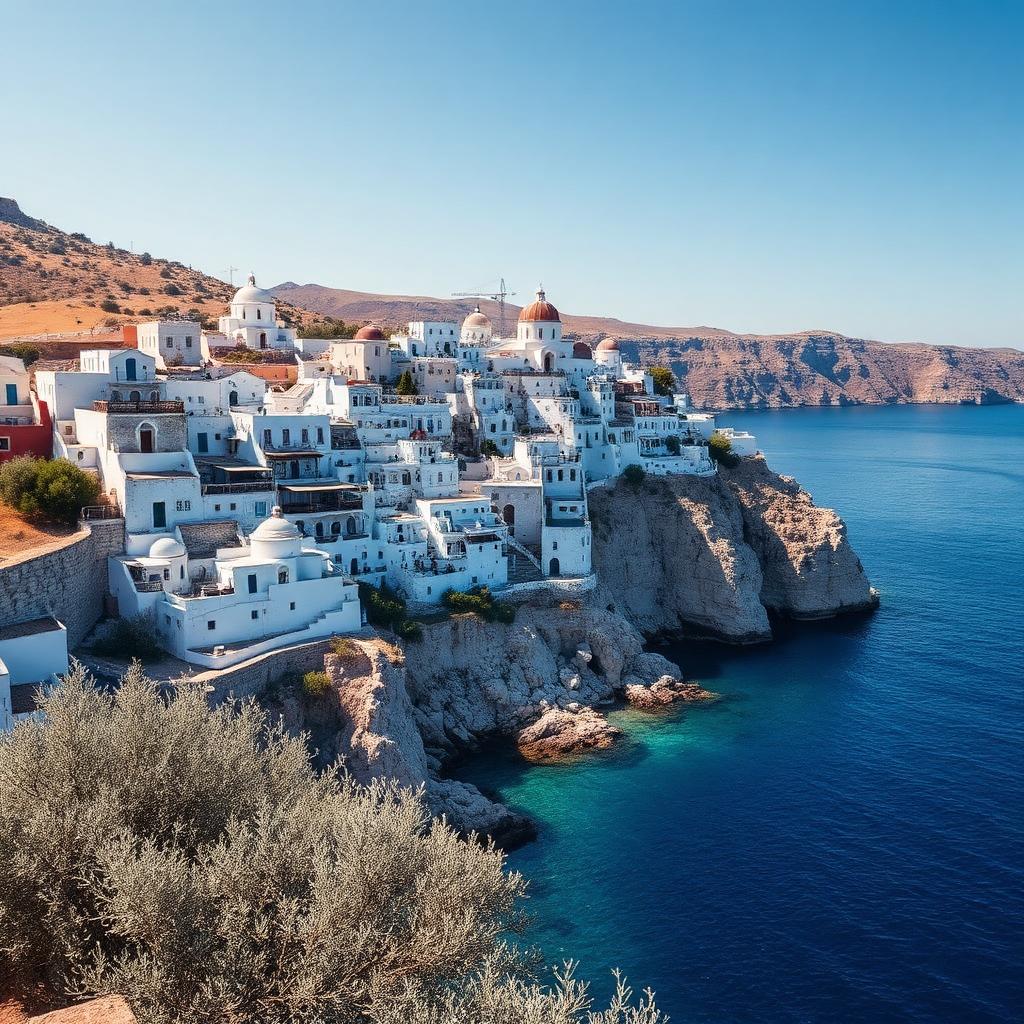
Greece
"Ancient stones, 6,000 islands, and lunch that lasts all afternoon"
Greece at a glance
- Best time to go
- May, June and September are usually the best all-round months: warm seas, long days and lighter crowds than midsummer. July and August are the hottest, busiest and most expensive, especially on the popular islands. The mainland's ancient sites are generally more comfortable in spring and autumn than under the summer sun.
- How long to stay
- We'd suggest a week to ten days to combine Athens with two or three islands, or two weeks if you want to add the Peloponnese or a second island group.
- Who it's for
- History and island lovers who want ruins, beaches and long tavern dinners in the same trip.
- Might not be for you if
- You're chasing quiet, empty beaches in July and August on the famous islands, since Mykonos, Santorini and similar names get genuinely crowded then.
Greece is where Western history started and where the concept of doing nothing beautifully was perfected. Athens hides its ruins between apartment blocks, and beyond it lie island groups so different from one another that Crete and Corfu feel like separate countries.
Best Time to Visit
May to June and September to early October
May – Jun
Wildflowers, warm-enough sea, everything open and half the crowds of August.
Jul – Aug
Peak season heat, meltemi winds in the Cyclades, highest prices.
Sep – Oct
Warmest sea of the year, harvest festivals, quiet beaches.
Nov – Apr
Mainland and Athens still excellent; many island businesses close for winter.
Getting Around
Ferries and short domestic flights knit the mainland to the islands; on each island a car or scooter is king.
⛴️ Ferries
Blue Star, Seajets and Hellenic Seaways link Piraeus to the Cyclades, Crete and the Dodecanese.
✈️ Domestic Flights
45-minute hops from Athens to Crete, Rhodes or Santorini beat 8-hour ferries.
🚗 Car & Scooter Rental
Cheap on the islands and the only way to reach the good beaches.
🚌 KTEL Buses
Reliable mainland coaches to Delphi, Meteora and the Peloponnese.
💡 Book car ferries weeks ahead in August; foot-passenger tickets are usually fine a few days out.
Suggested Itineraries
Athens Arrival
Settle in, evening walk through Plaka.
Acropolis Day
Acropolis, Ancient Agora, museum, dinner in Psyrri.
Ferry to Naxos
Morning Blue Star ferry, Chora old town and Portara sunset.
Naxos Villages
Rent a car for Halki, Apiranthos and a long lunch, beach afternoon at Plaka.
Hop to Santorini
Fast ferry, check in to Oia or Imerovigli, caldera sunset.
Santorini
Fira-to-Oia cliff walk in the morning, winery tasting, Red Beach swim.
Departure
Late breakfast with the caldera view, flight home from Santorini.
🧭 Wandersparks rule: leave one thing undone on purpose. That's the little hook that pulls you back for round two.
Highlights
Must See
- Acropolis of Athens
- Santorini caldera
- Meteora monasteries
- Knossos, Crete
Local Cuisine
Insider Tip
Ferry schedules change with the wind — literally. Build a buffer day before any international flight home.
Greece travel questions, answered
When is the best time to visit Greece?
May, June and September are usually the sweet spot for both the mainland and the islands: warm enough to swim, with fewer crowds and lower prices than peak summer. July and August are the hottest and busiest, particularly on well-known islands. By late October, some island ferries and flights reduce frequency and some businesses close for winter, so check schedules if you're travelling then.
How many days do you need in Greece?
A week to ten days lets you pair Athens with two or three islands without feeling rushed. Two weeks or more gives room to add the Peloponnese, a second island group, or a slower pace on fewer islands.
Is Greece affected by wildfires or extreme heat in summer?
Parts of the country carry an elevated wildfire risk through the hotter months, and heatwaves have periodically closed the Acropolis at midday in recent summers. Downloading the 112 emergency alert app and following local instructions if a warning is issued is commonly recommended. Check current advice before travelling in the hottest stretch of summer.
Does the EU's Entry/Exit System affect entry to Greece?
Yes. Greece is part of the Schengen Area, and non-EU visitors are now checked under the EU's Entry/Exit System (EES), which records passport and biometric details at first entry, replacing manual stamping. It's been rolling out through 2026, and it can mean longer queues at first entry, so check the official EU EES page and allow extra time, especially at busy airports.
Details last checked 22 September 2026.
More sparks for Greece
Stories, films and books to keep the daydreaming going.

AI-generated editorial illustration — Unofficial AI-generated editorial illustration inspired by the destination and atmosphere of the film or series. Not an official poster or promotional image.
The Trip to Greece
Two friends retrace Odysseus with far more lunches and far less shipwreck.

My Family and Other Animals
by Gerald Durrell · Corfu, Greece