
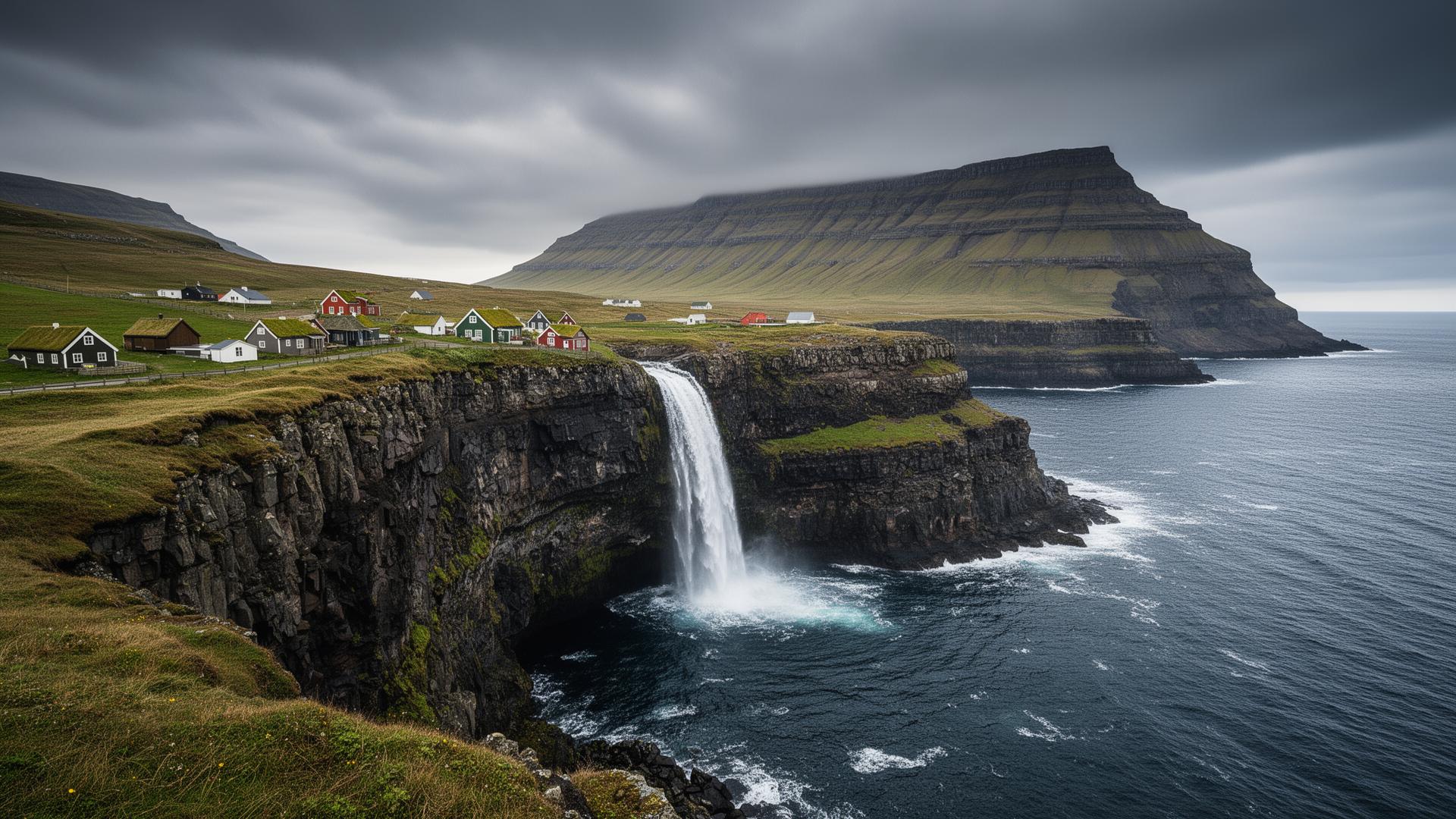
Faroe Islands, Denmark
"Find solitude on dramatic Nordic cliffs"
Faroe Islands at a glance
- Best time to go
- June, July and August are the most reliable months for weather, daylight and boat trips to see puffins, which usually leave by late August. Spring and autumn bring dramatic scenery with more wind and rain, and winter is short on daylight but can suit those chasing a wild, quiet landscape.
- How long to stay
- We'd suggest four to six days: enough to see a few islands, do a couple of hikes and allow a spare day for weather. Fog, wind and rain change plans often, so a rigid itinerary doesn't work as well here as elsewhere.
- Who it's for
- Hikers and landscape photographers who don't mind changeable weather and a slower pace than a typical city break.
- Might not be for you if
- You want guaranteed sunshine or a packed, precisely timed itinerary. Weather here can cancel boat trips and reroute hikes at short notice.
- Worth knowing right now
- The Faroe Islands are part of the Kingdom of Denmark but are not in the EU or the Schengen Area, so a standard Schengen visa alone doesn't cover entry, and separate rules apply.
The Faroe Islands are a remote Nordic archipelago of dramatic landscapes and Viking heritage. With grass-roofed villages, soaring sea cliffs, and countless seabirds, these islands offer raw natural beauty and peaceful solitude.
Best Time to Visit
May to September
May to September
The recommended period for the most pleasant weather and best overall experience.
Shoulder Season
Fewer crowds and better prices, with generally acceptable weather conditions.
Off-Peak
Lowest prices and emptiest attractions, though weather may be less predictable.
Getting Around
The Faroes are connected by subsea tunnels, ferries, and helicopters — a rental car opens up almost everything.
🚗 Rental Car
Best way to explore. Tunnels link most of the main islands (some tolled).
🚁 Atlantic Airways Helicopter
Subsidised heli service to remote islands like Mykines and Kalsoy — book weeks ahead.
⛴️ Strandfaraskip Ferries
Public ferries reach islands not on the road network.
🚌 Bygdaleiðir Bus
Reliable public buses on Streymoy and Vágar for those without a car.
💡 Book the Mykines ferry or heli well in advance — puffin season (May–August) sells out fast.
Suggested Itineraries
Arrival Tórshavn
Old town walk.
Vestmanna Cliffs
Boat tour under sea cliffs.
Vágar Island
Múlafossur, Sørvágsvatn.
Mykines Puffins
Ferry to Mykines, puffin colony hike (May–Aug).
Kalsoy Lighthouse
Kallur lighthouse hike.
Suðuroy
Southernmost island, dramatic cliffs.
Depart
Fly out from Vágar.
✨ Feeling dizzy already? Breathe. This is a menu, not a to-do list — skip a stop, nap by a fountain, leave a couple of sparks for next time.
Highlights
Must See
- Múlafossur Waterfall
- Sørvágsvatn Lake
- Mykines Island
- Tindhólmur
Local Cuisine
Insider Tip
Rent a car and be flexible with your itinerary - weather can close roads and reveal unexpected beauty.
Faroe Islands travel questions, answered
When is the best time to visit the Faroe Islands?
June, July and August are usually the most reliable months for weather, daylight and boat trips, and it's also when puffins are present, generally leaving by late August. Spring and autumn have more wind and rain but fewer visitors, and winter is atmospheric but has very short daylight hours.
Do you need a visa for the Faroe Islands?
The Faroe Islands are part of the Kingdom of Denmark but sit outside the EU and the Schengen Area, so a Schengen visa alone does not guarantee entry, and the requirements are separate from mainland Denmark's. Check the official Visit Faroe Islands entry information for your nationality before you book flights.
How do you visit Mykines to see puffins?
You'll usually need to book a ferry or helicopter in advance, since capacity is limited and popular summer dates can sell out. Landing fees and access rules can apply, and trails beyond the village are often required to be done with a licensed guide. Check current access rules before you travel, since they're reviewed periodically.
How much should you plan around the weather in the Faroe Islands?
A lot. Fog, wind and rain can arrive with little warning and disrupt ferries, hikes and views, even in summer. Building in a spare, unplanned day and staying flexible about which hike or island you do on a given day is a common strategy among visitors.
Details last checked 22 September 2026.