
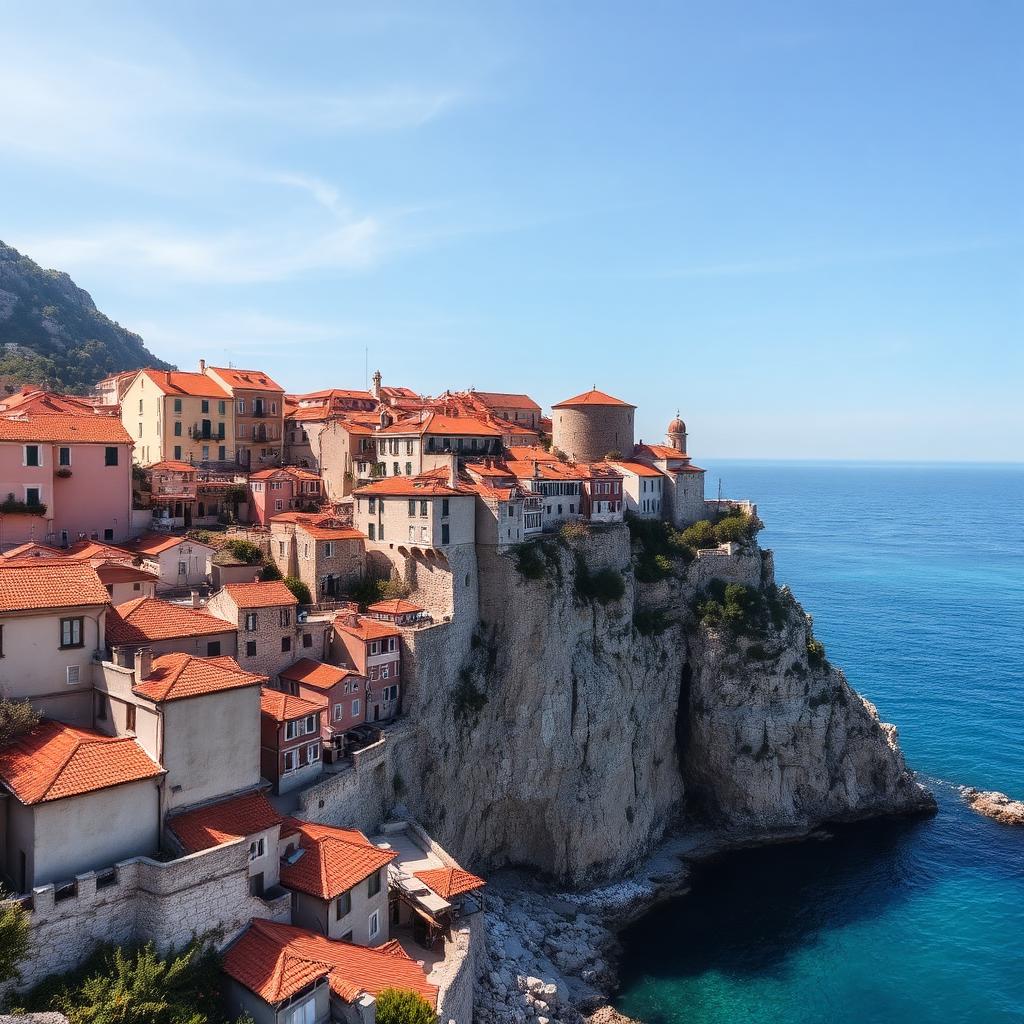
Croatia
"A thousand islands and a coastline built from limestone and light"
Croatia at a glance
- Best time to go
- May, June and September are usually the best months: warm enough to swim, with lighter crowds and prices than peak summer. July and August are the busiest and hottest, especially along the coast and on the islands. Winter is quiet, and many coastal restaurants and hotels close for the season.
- How long to stay
- We'd suggest ten days to two weeks to combine the coast (Split, Dubrovnik or the islands) with an inland stop such as Plitvice Lakes.
- Who it's for
- Coast-and-island lovers who enjoy a mix of old towns, swimming and waterfalls, and don't mind planning ferries ahead in summer.
- Might not be for you if
- You want to improvise ferry trips in July and August. Popular routes sell out and cars need advance booking in peak season.
- Worth knowing right now
- Croatia joined the EU's Entry/Exit System in 2026, which changes how non-EU travellers are checked at the border. Details below.
Croatia's Adriatic coast runs from Istrian truffle country down through Roman Split to walled Dubrovnik, with more than a thousand islands scattered offshore. Inland, waterfalls chain through national parks and Zagreb keeps a café culture that never rushes.
Best Time to Visit
May to June and September
May – Jun
Warm, green, sea just about swimmable, everything open without the crush.
Jul – Aug
Hot, buzzing and expensive; book ferries and rooms months ahead.
Sep – Oct
Warmest sea, wine harvest, and old towns you can actually walk through.
Nov – Apr
Quiet coast with many closures; Zagreb's Advent market is a highlight.
Getting Around
The coast is a chain of ferry ports linked by a fast motorway; islands need boats or scooters.
⛴️ Jadrolinija & Krilo
Car ferries and fast catamarans from Split and Dubrovnik to Hvar, Brač, Vis and Korčula.
🚗 Rental Car
The A1 motorway makes Zagreb–Split a four-hour drive; essential for Istria and the parks.
🚌 Coastal Buses
Frequent, cheap and scenic between Dubrovnik, Split and Zadar.
⛵ Sailing Charter
Skippered yachts out of Split are the classic way to island-hop.
💡 Catamarans are foot-passenger only — if you have a rental car, use the slower car ferries.
Suggested Itineraries
Arrive in Dubrovnik
Old town walk, Buža cliff bar at sunset.
City Walls & Lokrum
Walls at opening, cable car view, afternoon on Lokrum island.
To Korčula
Catamaran north, walled old town and Grk wine tasting.
Hvar
Ferry on, lavender fields and a Pakleni Islands boat afternoon.
Split
Diocletian's Palace, Green Market, konoba dinner.
Plitvice or Krka
Day trip to the waterfall parks — Plitvice needs a full day.
Departure
Split morning coffee on the Riva, fly home.
🧭 Wandersparks rule: leave one thing undone on purpose. That's the little hook that pulls you back for round two.
Highlights
Must See
- Dubrovnik city walls
- Diocletian's Palace, Split
- Plitvice Lakes
- Hvar & Vis
Local Cuisine
Insider Tip
Base yourself in Split or Zadar and take ferries out — island accommodation costs far more in July and August.
Croatia travel questions, answered
When is the best time to visit Croatia?
May, June and September are commonly recommended for warm, swimmable weather without peak crowds. July and August are the hottest and busiest, particularly in Dubrovnik, Split and on the islands, and prices are highest then. Winter is quiet, cooler, and many coastal places close for the season.
Do you need to book Plitvice Lakes tickets in advance?
In most cases, yes. Plitvice National Park uses timed online tickets, and summer slots can sell out, especially in July and August. Book through the park's official ticketing before you travel, and arrive close to your allotted time.
Should you book ferries in Croatia ahead of time?
In peak season, yes, especially if you're bringing a car. Popular routes between the mainland and islands such as Hvar and Korčula can sell out well ahead in July and August. Outside peak season, ferries are usually easier to book closer to your travel date.
What is the EU's Entry/Exit System, and does it affect Croatia?
Yes. The Entry/Exit System (EES) is a new EU border check that registers non-EU travellers' passport details and, on their first entry, biometric data, replacing manual passport stamping. It has been rolling out at Schengen and EU borders through 2026, and it applies at Croatian borders. It can mean slightly longer queues at first entry, so check the official EU EES page for current guidance before you travel.
Details last checked 22 September 2026.