
Bolivia
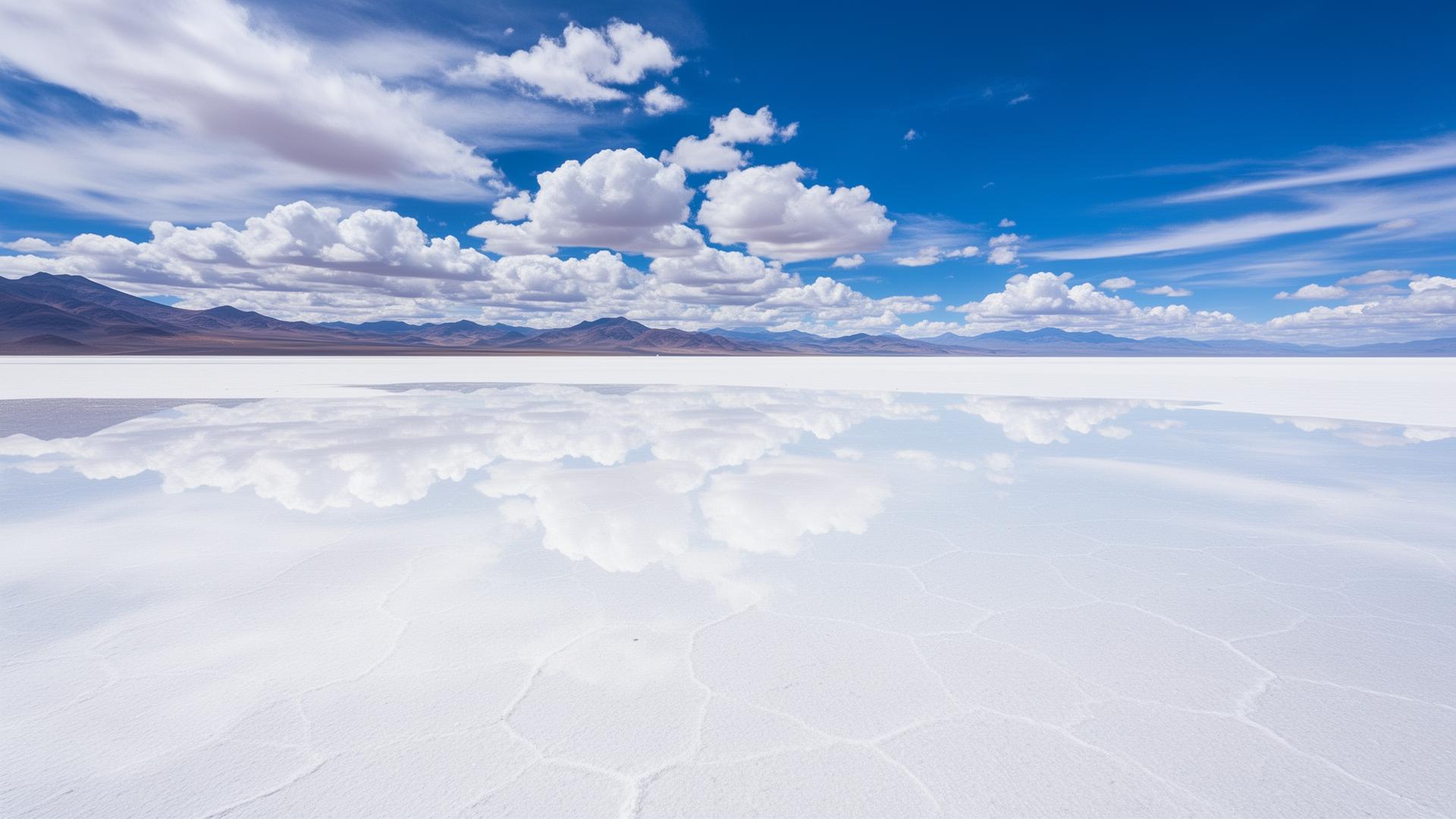
"Walk on mirrors in the world's largest salt flat"
Bolivia at a glance
- Best time to go
- Roughly May to October is the dry season, with clear skies across the Altiplano, and July and August are the most popular months. The famous mirror effect on the Uyuni salt flats appears in the rainy months, roughly December to April, when a thin layer of water covers the surface.
- How long to stay
- We'd suggest around ten days to combine La Paz, Lake Titicaca and the Uyuni salt flats without rushing, since altitude makes a slow start sensible.
- Who it's for
- Adventurous travellers who like big landscapes, markets and high-altitude scenery, and who can stay flexible when plans change.
- Might not be for you if
- You don't cope well with altitude (La Paz and Uyuni both sit above 3,600 m), or you can't be flexible if protests or road blockades disrupt your plans.
Bolivia is a land of extremes - from the world's highest capital to the vast Salar de Uyuni salt flats. This landlocked Andean nation offers otherworldly landscapes, indigenous culture, and adventures at breathtaking altitudes.
Best Time to Visit
May to October (dry season); February-April for mirror effect
May to October (dry season); February-April for mirror effect
The recommended period for the most pleasant weather and best overall experience.
Shoulder Season
Fewer crowds and better prices, with generally acceptable weather conditions.
Off-Peak
Lowest prices and emptiest attractions, though weather may be less predictable.
Getting Around
Bolivia is huge and mountainous — night buses cover the classic route, and flights save exhausting altitude drives.
🚌 Overnight Bus
Cama and semi-cama sleeper buses connect La Paz, Uyuni, Sucre, and Potosí.
✈️ Boliviana de Aviación
Cheap domestic flights link La Paz, Santa Cruz, Sucre, and Uyuni.
🚙 4x4 Salt Flats Tour
The only sensible way to visit Salar de Uyuni — 3-day tours from Uyuni or Tupiza.
🚡 La Paz Teleférico
The world's longest urban cable car system — a ride in itself over the city.
💡 Fly into La Paz (3,600m) via Santa Cruz or Cochabamba to soften the altitude shock.
Suggested Itineraries
La Paz Arrival
Acclimatise slowly.
La Paz Tour
Teleférico, El Alto market.
Fly to Uyuni
First salt flat sunset.
Salar Full Day
Incahuasi Island, mirror photos.
Southern Altiplano
Coloured lagoons, flamingos, thermal springs.
Return to Uyuni
Rock formations, back to town.
Fly & Depart
Back to La Paz, home.
🍋 Not a race. Skip, swap, siesta — the world keeps spinning and you get to come back and finish the story.
Highlights
Must See
- Salar de Uyuni
- La Paz
- Lake Titicaca
- Death Road
Local Cuisine
Insider Tip
Visit the salt flats during rainy season for the famous mirror effect, but book a tour that can handle the water.
Bolivia travel questions, answered
When is the best time to visit Bolivia?
Roughly May to October is the dry season and the most reliable time for clear skies and travel across the highlands. For the Uyuni mirror effect, plan for the rainy months, roughly December to April, when a thin layer of water covers the salt flats. July and August are the most popular months for trekking and wildlife.
Do you need a visa for Bolivia?
Bolivia sorts nationalities into three groups. Group 1 doesn't need a visa for tourism, and many nationalities are now in it, including EU countries, the UK, Canada, Australia and, since December 2025, the US. The initial stay is often 30 days and can be extended, up to 90 days per year. Groups 2 and 3 need a visa, and the official pages explain how and where to apply. Your passport should be valid for at least six months, and you may be asked for proof of onward travel and accommodation. The official lists and requirements are on Bolivia's foreign ministry visa page (in Spanish) and the Dirección General de Migración site. Several guides also mention an online pre-registration form called SIGEMIG that visitors are asked to complete before arriving. It's free on the official migration site, so avoid paid lookalike sites.
Do you need a yellow fever vaccination for Bolivia?
You may be asked for proof of vaccination at entry, particularly if you arrive from a country with yellow fever risk. It's recommended for lowland areas below about 2,300 m, such as the Amazon basin, and is not recommended for the highland circuit of La Paz, Lake Titicaca and Uyuni. Check your own health service's advice for your route.
Is Bolivia safe for tourists?
Petty crime such as pickpocketing and bag snatching is common in large cities, including La Paz and Santa Cruz, and in tourist areas, according to government advice from Canada, the US and the UK. Use a reputable taxi company or a ride-sharing app. The UK and Canadian governments also warn about 'express kidnappings', short opportunistic abductions aimed at forcing cash withdrawals, mainly affecting travellers on their own. Advice changes quickly, so read your own government's current advice, for example from the UK, US or Canadian governments, before booking and again before you fly.
Details last checked 20 September 2026.