
Austria
"Imperial cities, alpine lakes, and cake as a life philosophy"
Austria at a glance
- Best time to go
- Roughly mid-May to June and mid-September to mid-October are often recommended for Vienna and Salzburg: mild weather and thinner crowds than summer. June to September suits hiking and the lakes, December to March suits skiing, and mid-November to late December is Christmas market season. Hallstatt can feel very crowded in peak summer, especially at midday.
- How long to stay
- A week works for Vienna (two to three days), Salzburg (about two) and Hallstatt or the lakes (one to two). Ten days to two weeks lets you add Innsbruck and the Tyrol, or a drive over the Grossglockner.
- Who it's for
- Travellers who like culture, coffee-house cities and mountains in the same trip: music, palaces, hiking and skiing.
- Might not be for you if
- You want a beach, or you'd dislike December prices and crowds at the Christmas markets. Hallstatt and Salzburg can also feel busy in high summer.
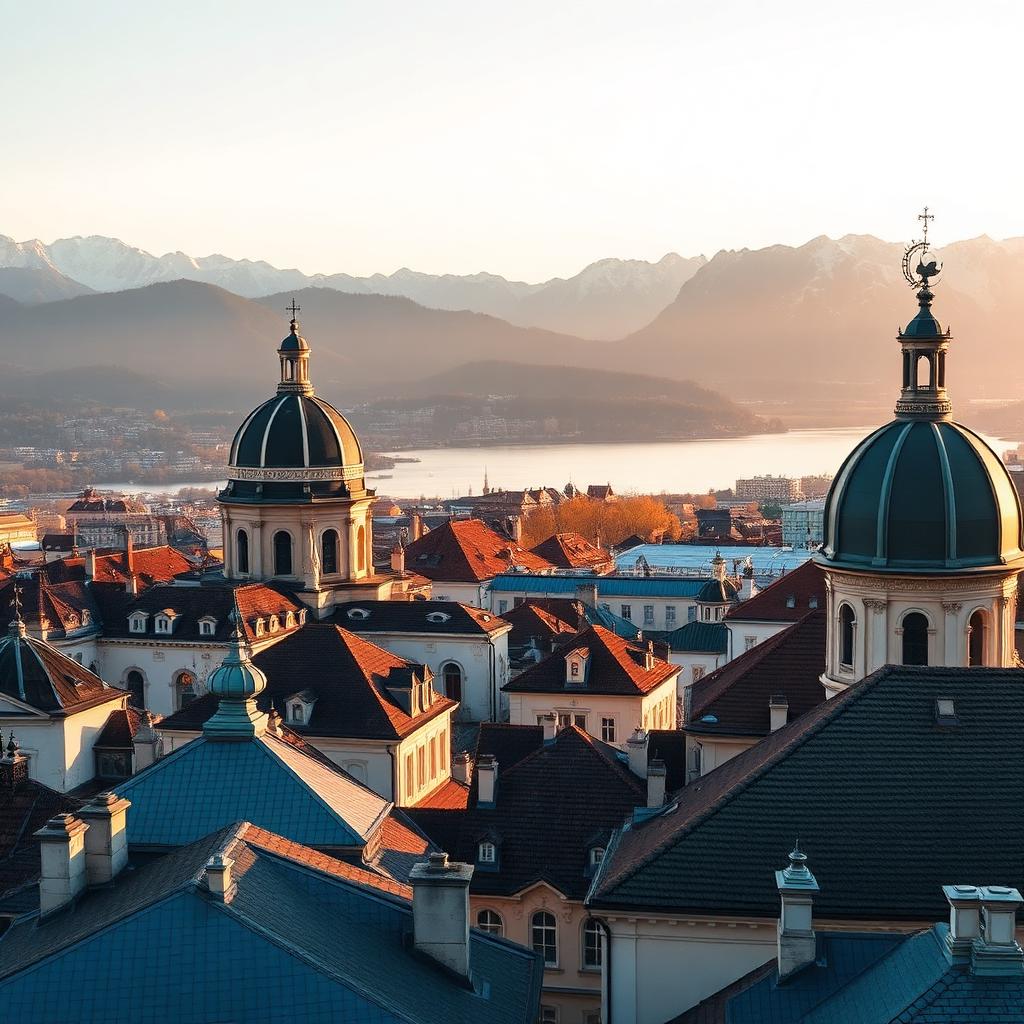
Austria is Vienna's coffee-house culture and gilded palaces on one side, and lake-and-mountain country on the other, joined by trains that take a couple of hours. It's easy to travel, gentle on the nerves, and unexpectedly affordable compared to its alpine neighbour — with the best classical music scene in Europe thrown in.
Best Time to Visit
May to September for lakes and hiking, December for markets
May – Jun
Wildflowers, warm days, and the lakes not yet crowded.
Jul – Aug
Swimming season in the Salzkammergut; busiest in Hallstatt and Salzburg.
Sep – Oct
Wine taverns, harvest, golden hiking weather and quieter towns.
Nov – Mar
Christmas markets, opera season, and reliable snow in the Tyrol.
Getting Around
ÖBB trains link the cities efficiently; a car helps in the lakes and mountains.
🚆 ÖBB Railjet
Fast connections between Vienna, Linz, Salzburg and Innsbruck.
🚗 Rental Car
Worth it for the Salzkammergut lakes and alpine passes with no rail access.
🚋 City Trams
Vienna's tram network is a sightseeing tool in its own right — ring line 1 and 2.
🚡 Mountain Lifts
Cable cars from valley towns into hiking and ski terrain.
💡 Book Nightjet sleepers if you're continuing to Italy, Germany or Switzerland — Austria runs Europe's best night trains.
Suggested Itineraries
Vienna Arrival
Ringstrasse tram loop, first coffee house.
Vienna Classics
Hofburg, Spanish Riding School, Albertina, Musikverein concert.
Schönbrunn & Wine
Palace and gardens, then a Heuriger in Grinzing.
To Salzburg
Railjet across, Getreidegasse, Mozart's birthplace, fortress sunset.
Salzkammergut
Hallstatt by boat and train, salt mine or lakeside walk.
Mountains
Zell am See or Berchtesgaden day trip, cable car and lake swim.
Departure
Salzburg airport or train back to Vienna.
🌱 Psst — you don't have to do it all. The best souvenirs are slow mornings and one unplanned detour you'll still be talking about years later.
Highlights
Must See
- Vienna's Ringstrasse
- Hallstatt & the lakes
- Salzburg old town
- Grossglockner road
Local Cuisine
Insider Tip
Vienna's coffee houses charge for the seat, not the cup — nursing one melange for two hours is expected, not rude.
Austria travel questions, answered
When is the best time to visit Austria?
For cities, mid-May to June and mid-September to mid-October are commonly suggested. For hiking and lakes, June to September works best, for skiing December to March, and for Christmas markets mid-November to late December. Summer is peak season in cities and lake towns.
How many days do you need in Austria?
About a week covers Vienna, Salzburg and Hallstatt or the Salzkammergut lakes without rushing. Ten days to two weeks gives you room to add Innsbruck, the Tyrol or a mountain road trip.
Do you need a vignette to drive in Austria?
Yes, for motorways and expressways with a car up to 3.5 tonnes. Buy it from the official ASFINAG shop, which lists current prices for one-day, ten-day, two-month and annual vignettes. Short vignettes are valid immediately, but annual and two-month vignettes bought online only start after a waiting period of 18 days. A few tunnel and Alpine routes (Brenner, Tauern, Arlberg, Karawanken and the Pyhrn motorway's Bosruck and Gleinalm tunnels) charge a separate section toll that a vignette doesn't cover, so check the ASFINAG section toll page before you plan your route.
When is the best time to visit Hallstatt?
May, June, September and October are usually suggested. Hallstatt is beautiful year-round but can feel very crowded in peak summer, especially around midday.
Details last checked 20 September 2026.
More sparks for Austria
Stories, films and books to keep the daydreaming going.
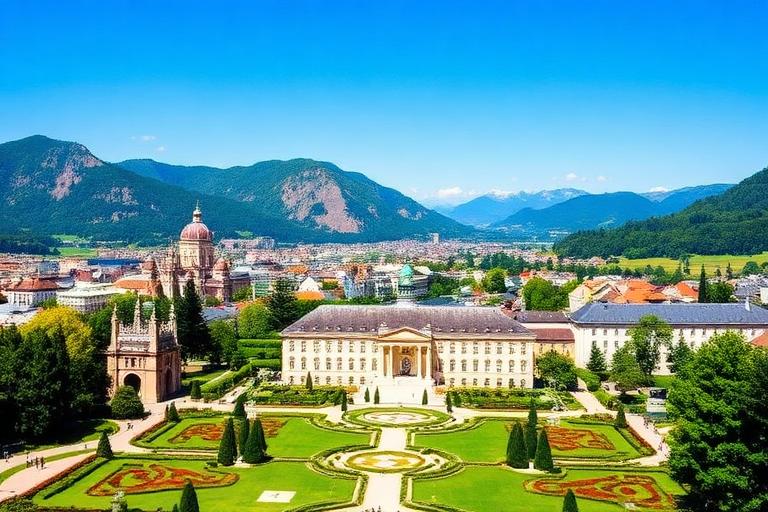
AI-generated editorial illustration — Unofficial AI-generated editorial illustration inspired by the destination and atmosphere of the film or series. Not an official poster or promotional image.
The Sound of Music
The hills are alive! Salzburg's Alpine landscapes and baroque architecture are the true stars of this classic.