
12 Days Solo in Sicily: The Real Itinerary
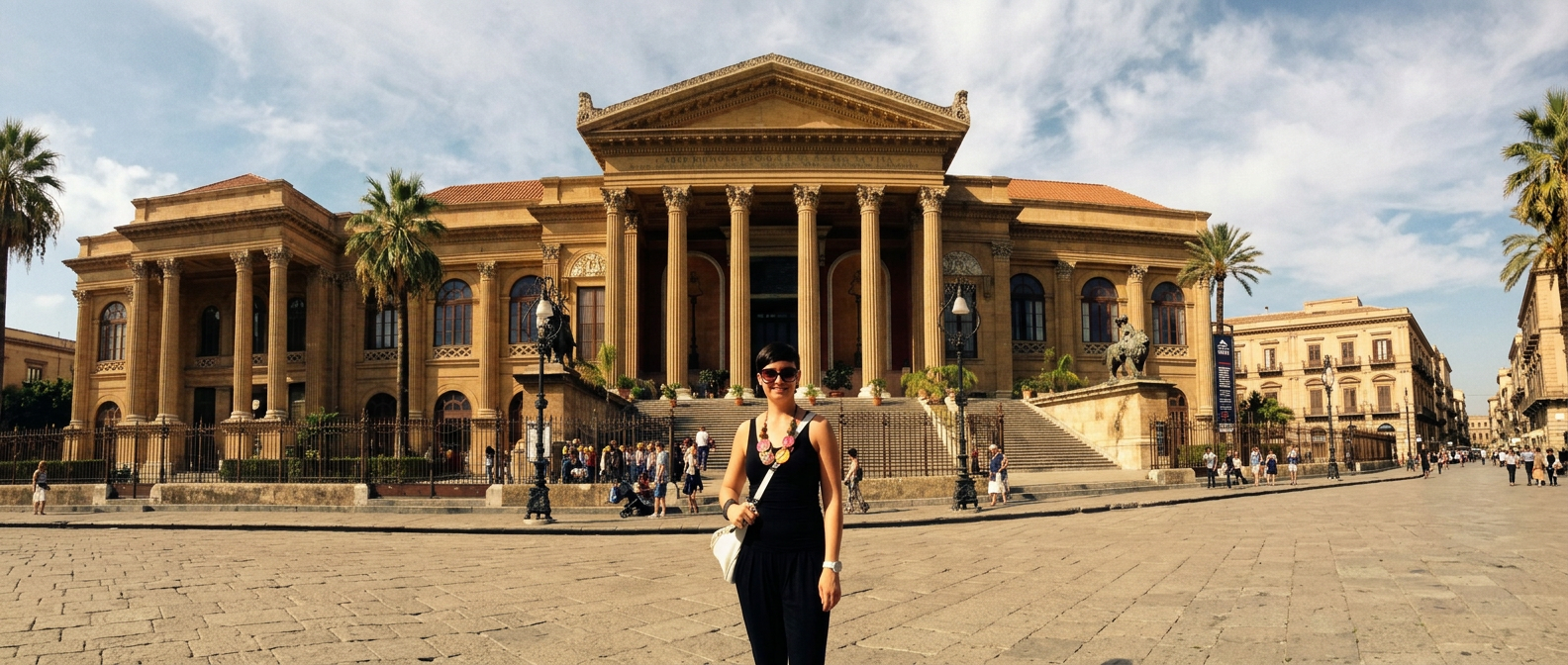
I planned two nights of this trip. Strangers planned the other ten.
Every stop after Palermo came from someone I'd only just met: a girl working at my B&B who pointed me toward a town I'd never planned to see, an artist who drove me out to see ancient temples and offered me rides whenever I needed one, a man in Catania who cooked me proper Sicilian pasta, showed me a river running under his own city, and talked me out of the one detour I actually had my heart set on. I didn't build this itinerary so much as receive it — one recommendation at a time, from people who had nothing to gain from being right.
I planned the flights. Everyone else planned the trip.
This is that route. All twelve days of it, plus what it actually cost and how the bookings worked, in case you're building your own version.
The Shape of the Trip
Palermo (2 nights) → Trapani (by bus) → Agrigento (by bus) → Catania (by bus) → day trip to Etna → day trip to Taormina → Palermo again (2 nights) → home.
I didn't book any of it upfront beyond the first two nights. Each next stop got booked on Airbnb once I actually knew where I was going — usually because someone at the last place had told me where to go.
Palermo: Two Nights, One Very Good Piece of Advice
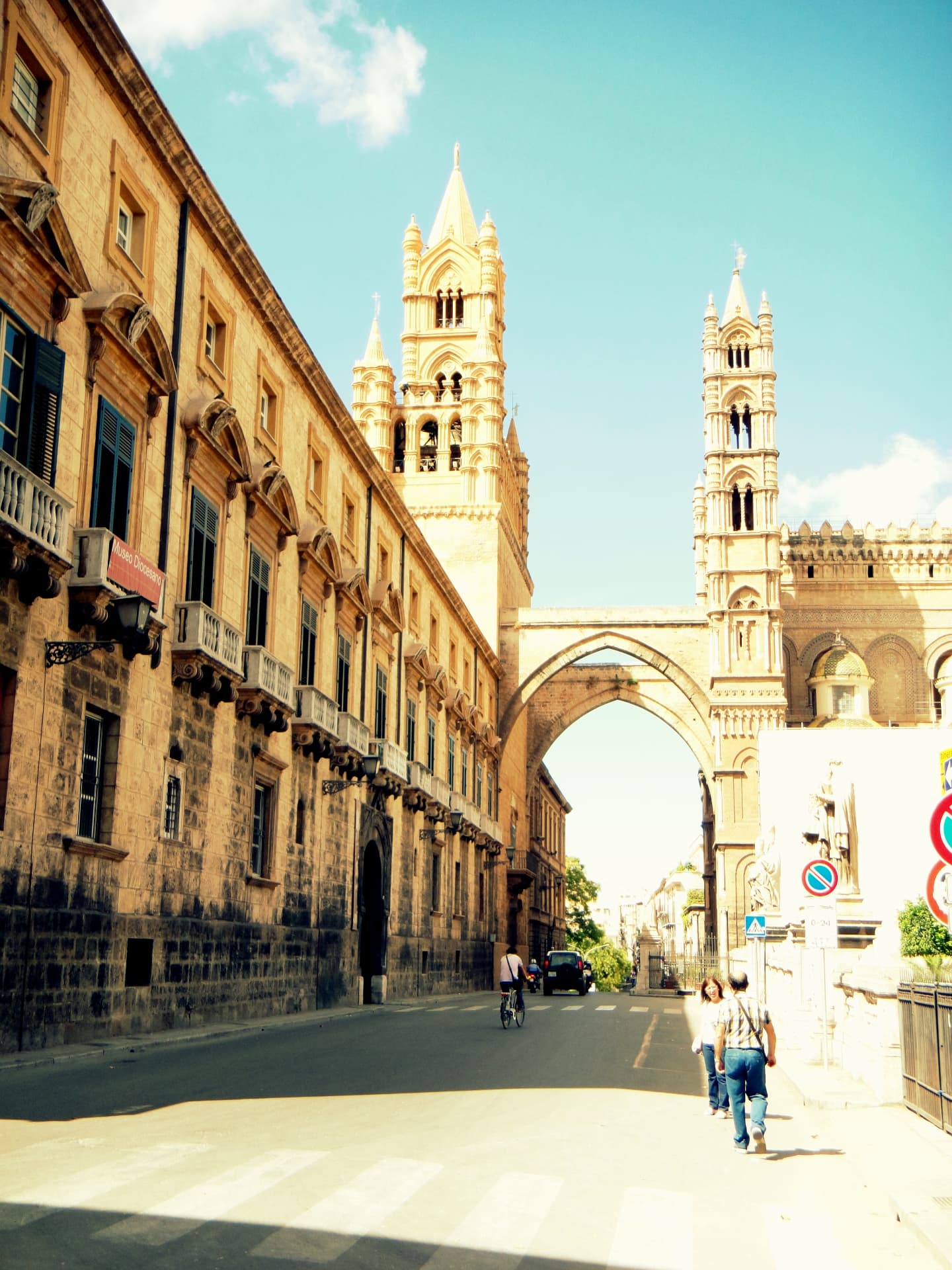
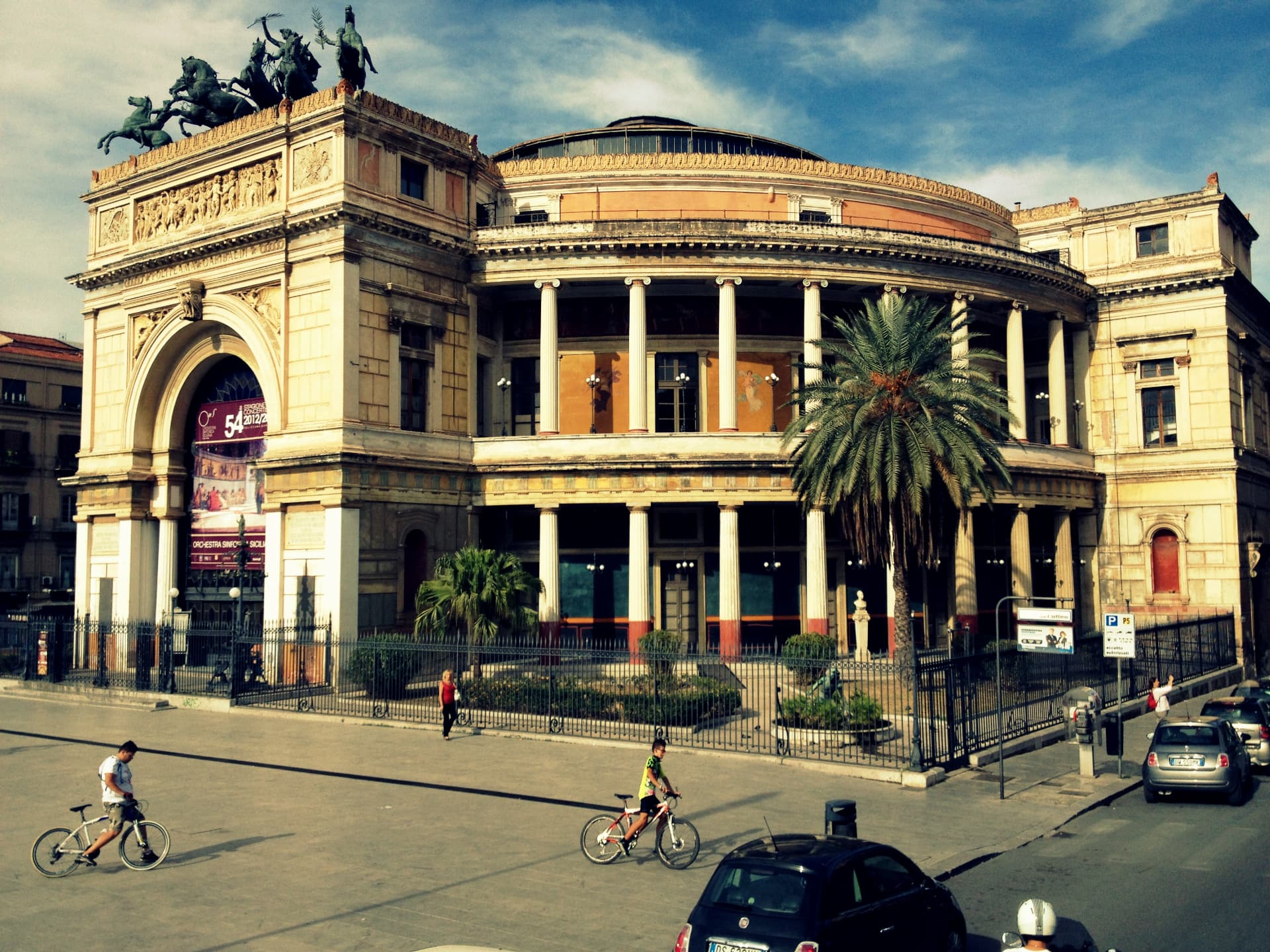
I stayed in a small B&B for the first two nights — the same two nights that made up my entire backup plan if the whole trip turned out to be too much. It wasn't too much. It was chaotic in the specific, wonderful way Palermo is chaotic: markets spilling into streets, scooters where you don't expect them, "ciao bella" as a kind of ambient soundtrack rather than anything to be wary of.
The most useful thing that happened in Palermo wasn't a sight. It was the girl working at the B&B, who — once she found out I had no real plan beyond "see the island" — told me to go to Trapani next. Not Agrigento first, not straight to Catania. Trapani. It wasn't on any list I'd made. It became the first stop of the whole route.
- Where I stayed: Small B&B, central Palermo.
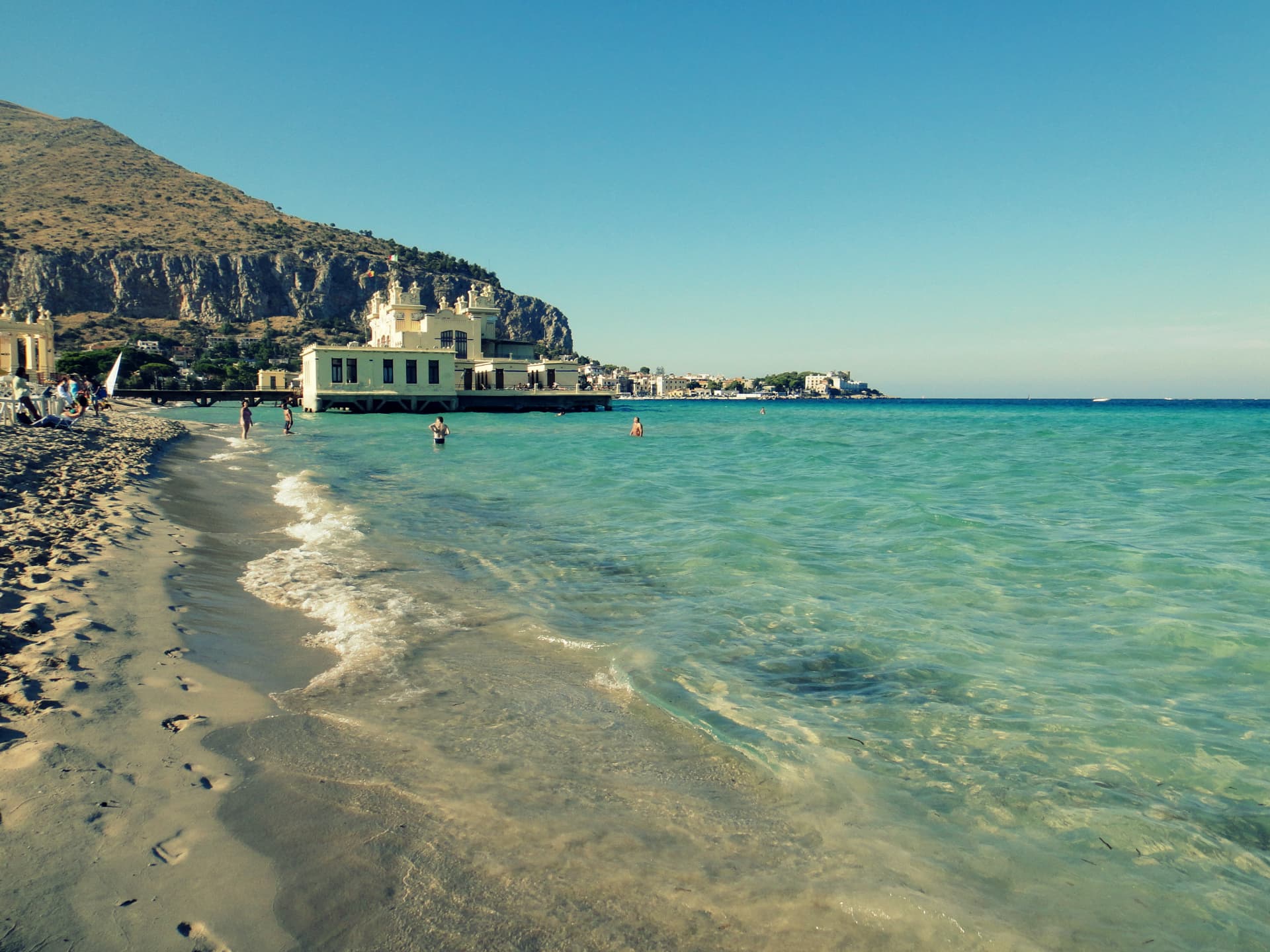
- Getting around: Entirely on foot within the city — plus the public bus (line 806) out to Mondello Beach when I wanted sea instead of streets.
- Worth knowing: Palermo rewards wandering more than it rewards a checklist — the market streets (Ballarò, Vucciria) are worth losing an afternoon in without a destination in mind.
Trapani: The Detour That Worked
Trapani was a quieter stop — salt flats along the coast, a smaller, calmer version of Sicily than Palermo's noise. I don't have a dramatic story from here. What I have is proof that the best recommendations on a solo trip rarely come from a guidebook. They come from whoever you happened to be kind to the day before.
- Getting there: Bus from Palermo, roughly 1.5–2 hours.
- Worth knowing: A good stop for slowing the pace down before the trip's busier middle stretch.
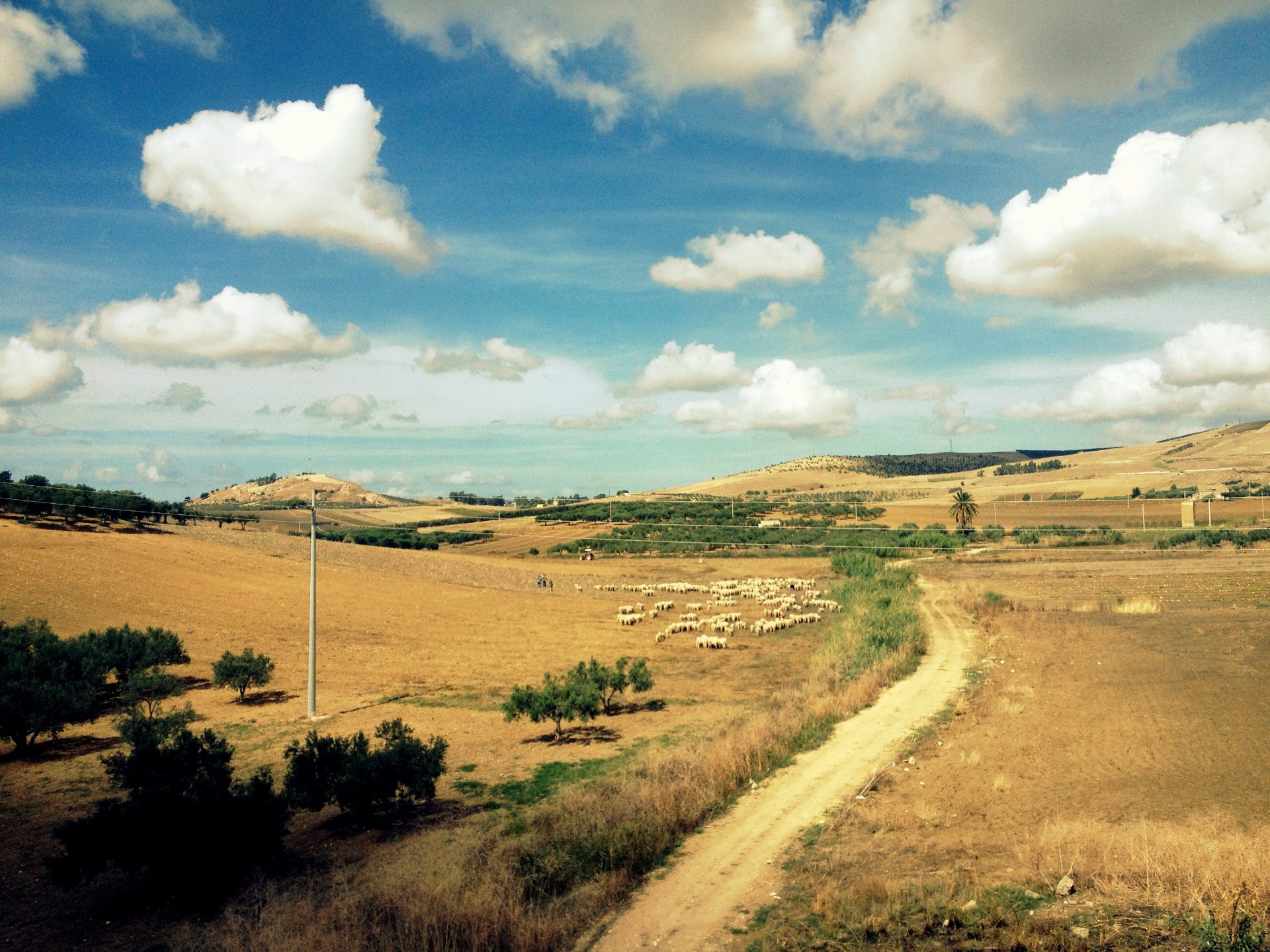
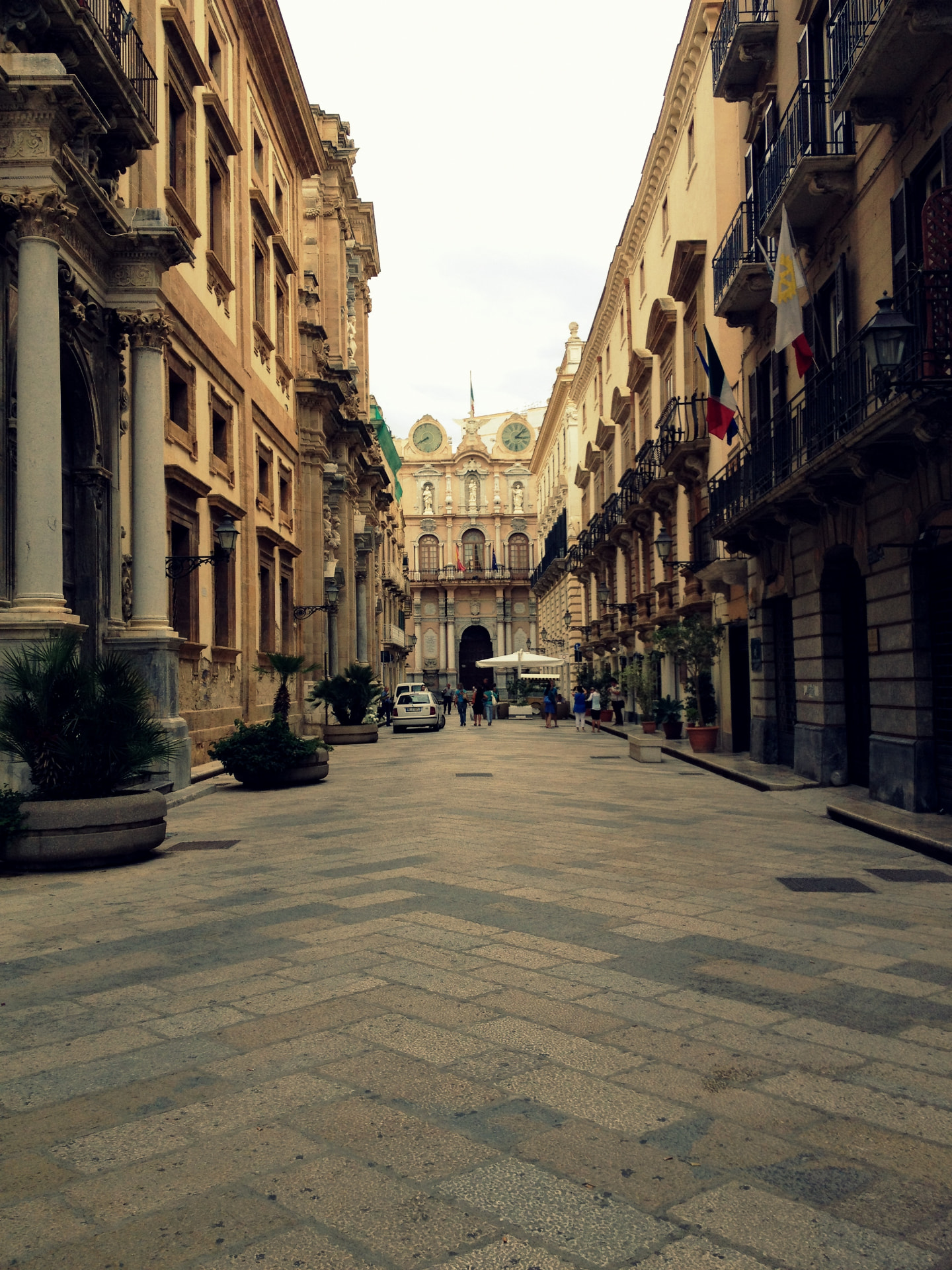
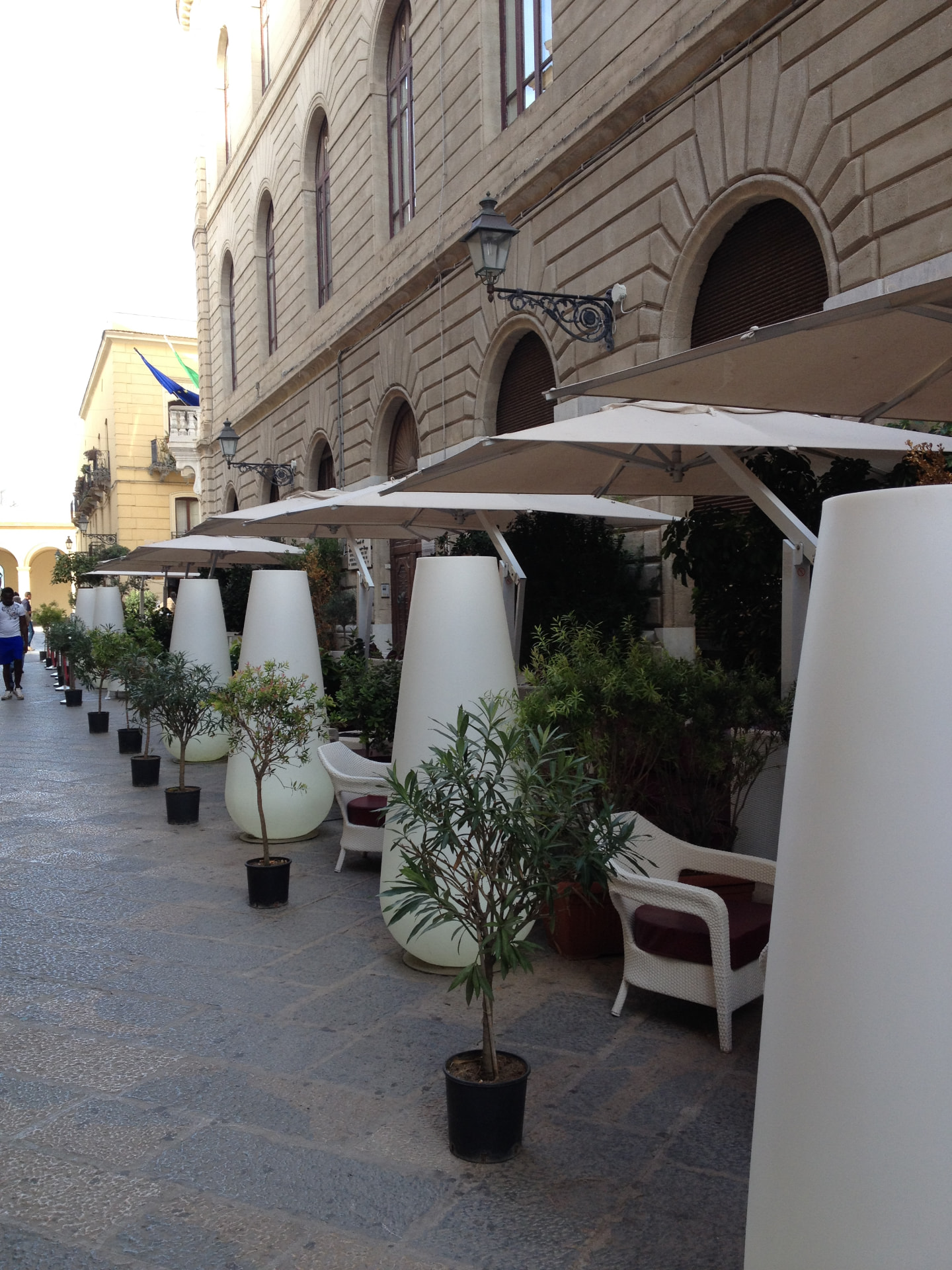
Agrigento: Calogero, the Valle dei Templi, and the Best Pizza I've Ever Had
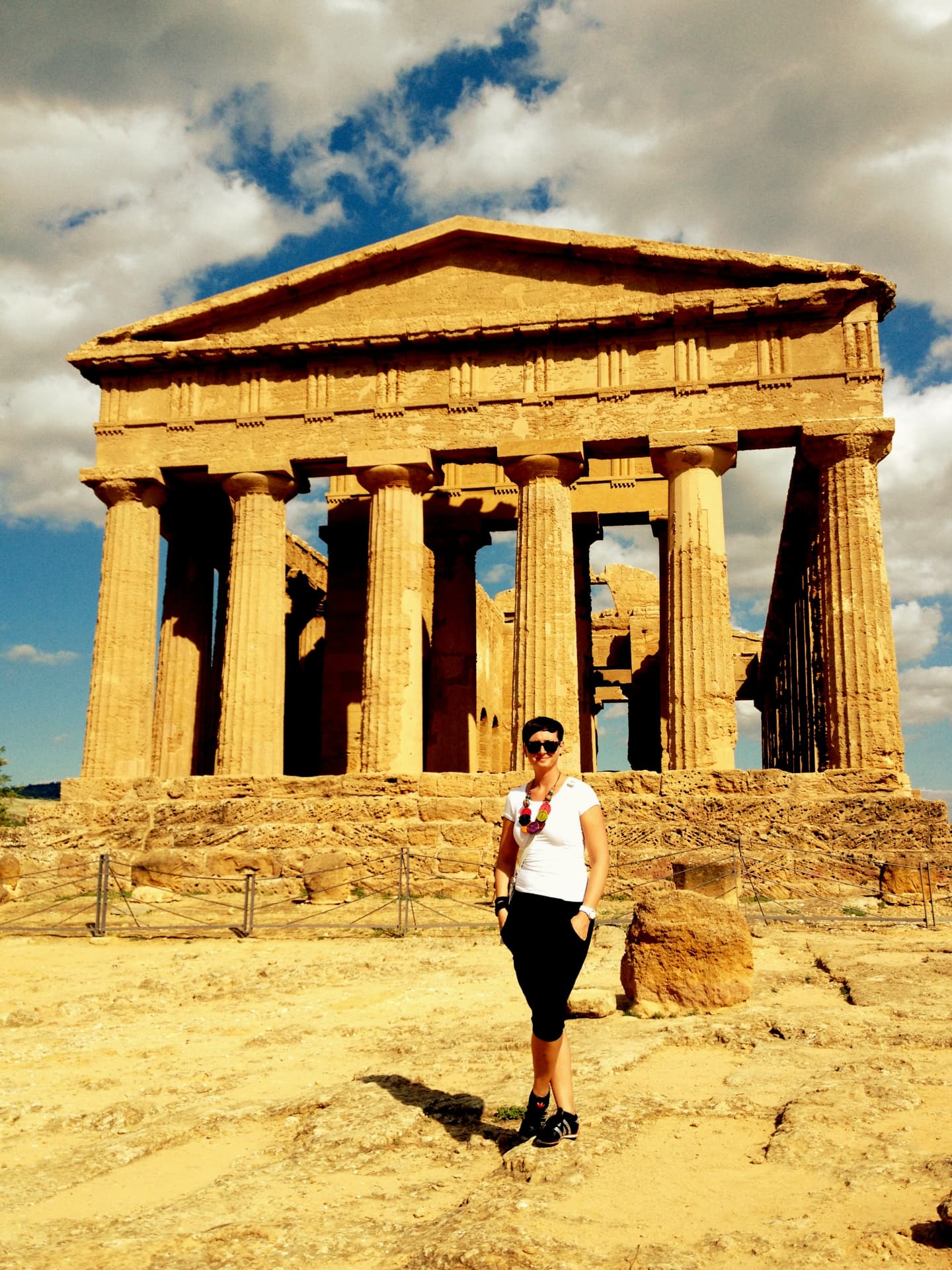
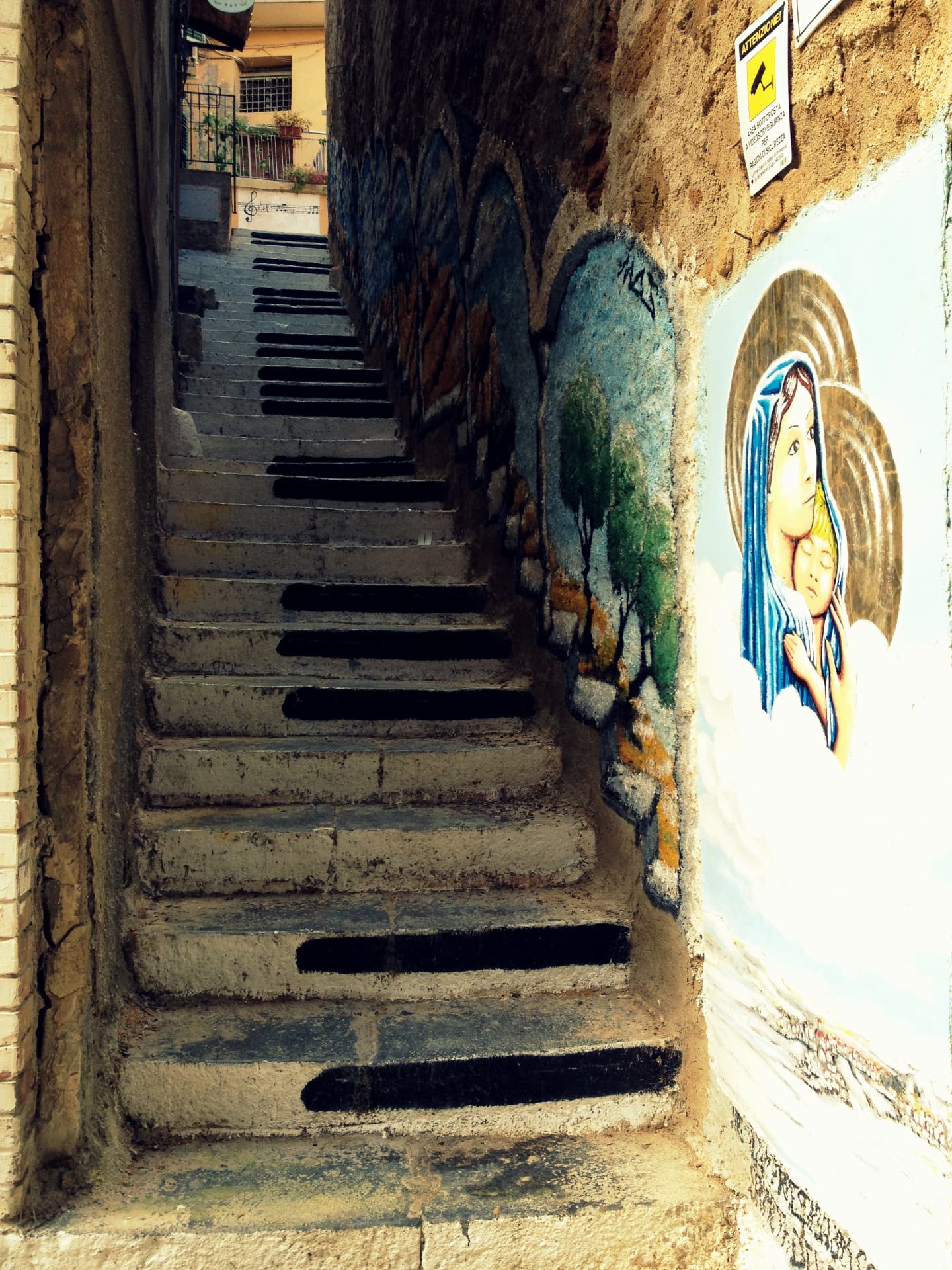
From Trapani, another bus to Agrigento — and an Airbnb hosted by a local artist named Calogero, whose street art covered a noticeable part of the city. He drove me to the Valle dei Templi, the Greek temples that are the whole reason most people come to Agrigento at all, and pointed me toward the place where I ended up eating the best pizza I have ever had. He became my taxi more than once over the couple of days I was there, entirely because he wanted to, not because it was part of any package.
This is the version of solo travel nobody quite prepares you for: you arrive somewhere with a room booked and nothing else, and you leave having been driven around by an artist who painted half the walls you'd just been admiring.
- Where I stayed: Airbnb, hosted by a local artist.
- Don't miss: The Valle dei Templi — go in the early morning or late afternoon, both for the light and to avoid the worst of the heat.
- Worth knowing: Ask your host where they'd actually eat, not where they'd send a tourist. It's how I found the pizza.
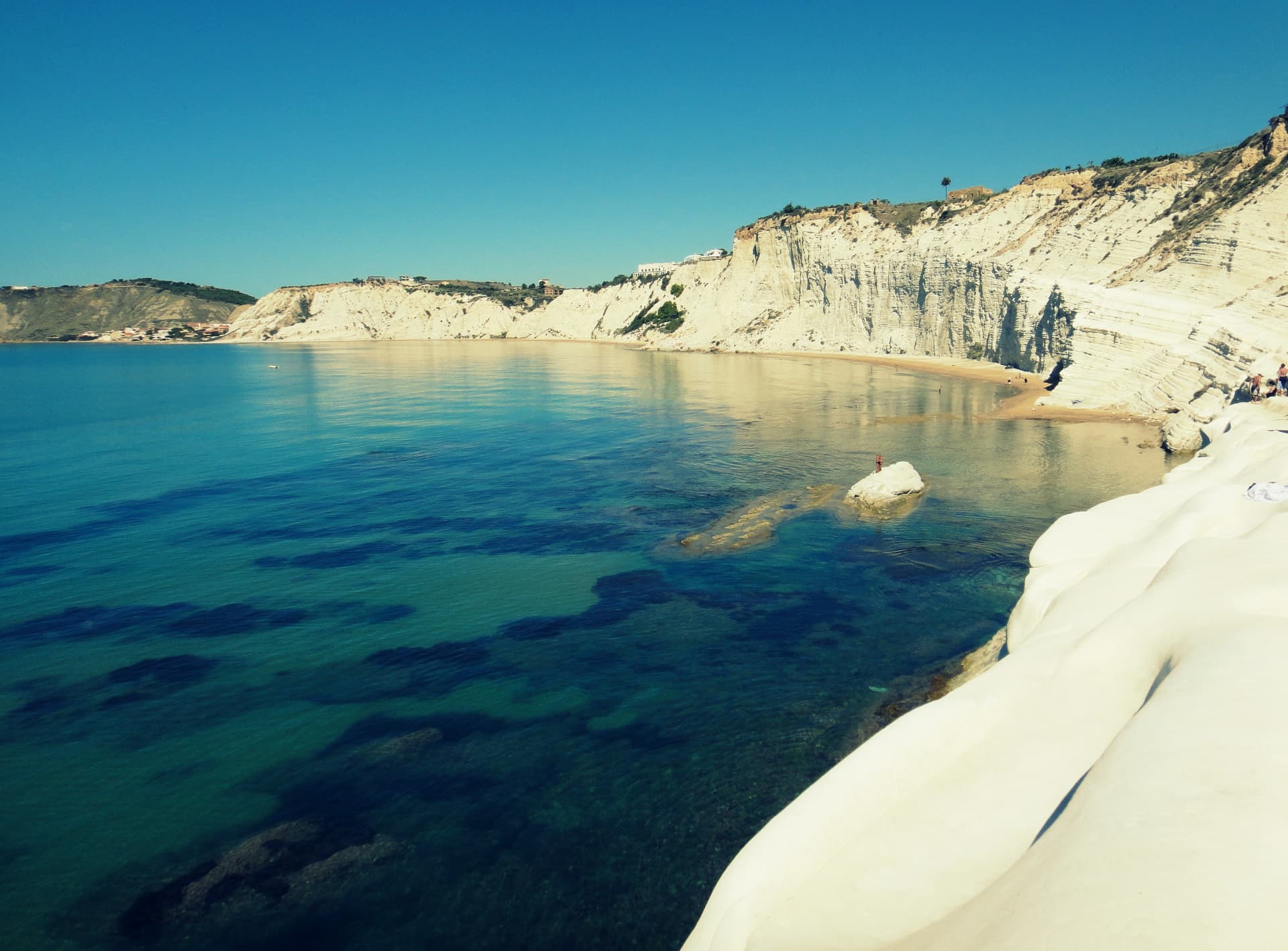
The other reason to give Agrigento more than one night: Scala dei Turchi, the white marble-looking cliff that steps down into the sea a short drive along the coast. It doesn't look real in photos and it doesn't look real in person either — a bright white terrace of rock above water that turns three different shades of blue depending on how deep it is.
Catania: The Host Who Rewrote the Trip
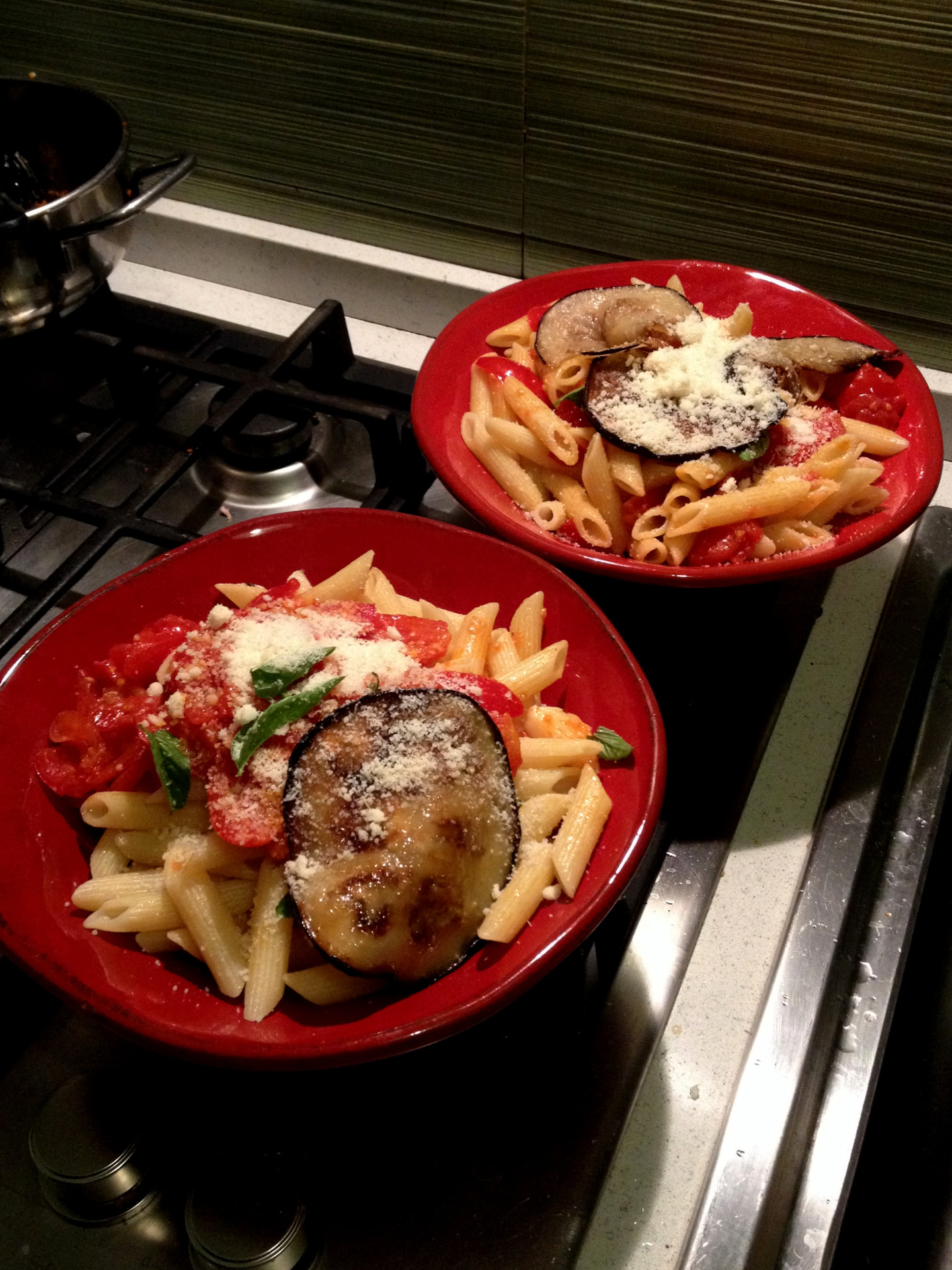
Catania is where the trip really opened up. I stayed in a room in a local's home rather than a full Airbnb rental, and my host turned out to be as much a guide as a landlord. He showed me an underground river running beneath the city, and a restaurant built directly on ground that lava had covered years before — Catania sits in Etna's shadow literally as well as figuratively, and the city carries that history in ways you wouldn't notice without someone pointing it out. He cooked me Sicilian pasta one evening, unprompted, the way you'd cook for a friend rather than a guest.
And when I mentioned wanting to see Etna — and, half out of curiosity from watching The Godfather one too many times, maybe Corleone too — he gave me the two best pieces of advice of the entire trip: skip the cable car, you won't see much more from the top than you will on foot partway up, and skip Corleone entirely, because in 2013 there was genuinely nothing there beyond a road sign.
The best itinerary edits don't come from a guidebook. They come from the local host who wasn't on your itinerary at all.
- Where I stayed: A room in a local host's home.
- Don't miss: Ask about the underground river and the lava-covered restaurant — neither is heavily signposted, both are worth the detour.
- Worth knowing: A home-hosted room, rather than an entire rental, is often where the best local knowledge ends up landing in your lap.
Etna: Craters, a Million Ladybugs, and a Volcano That Wasn't Finished
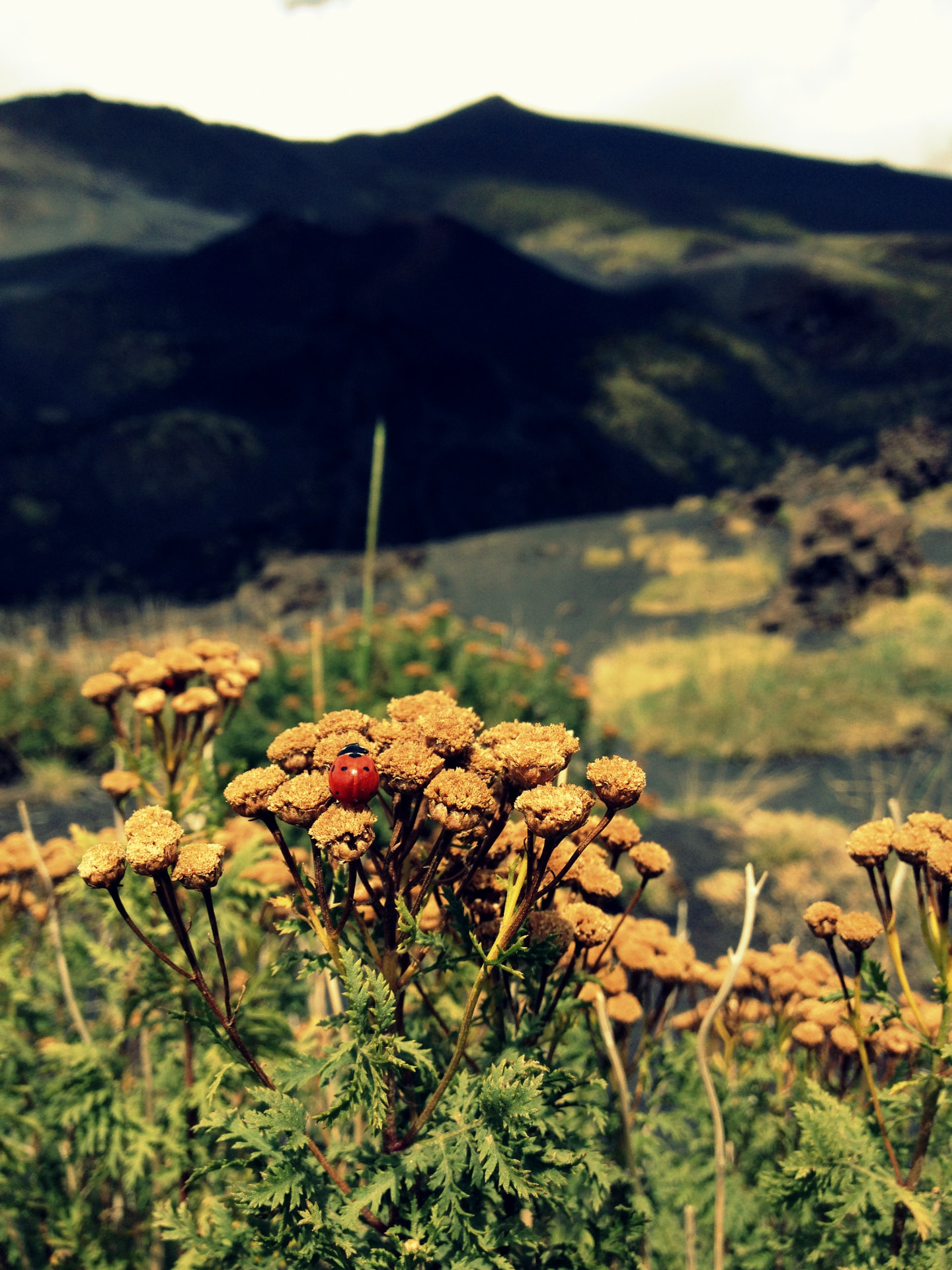
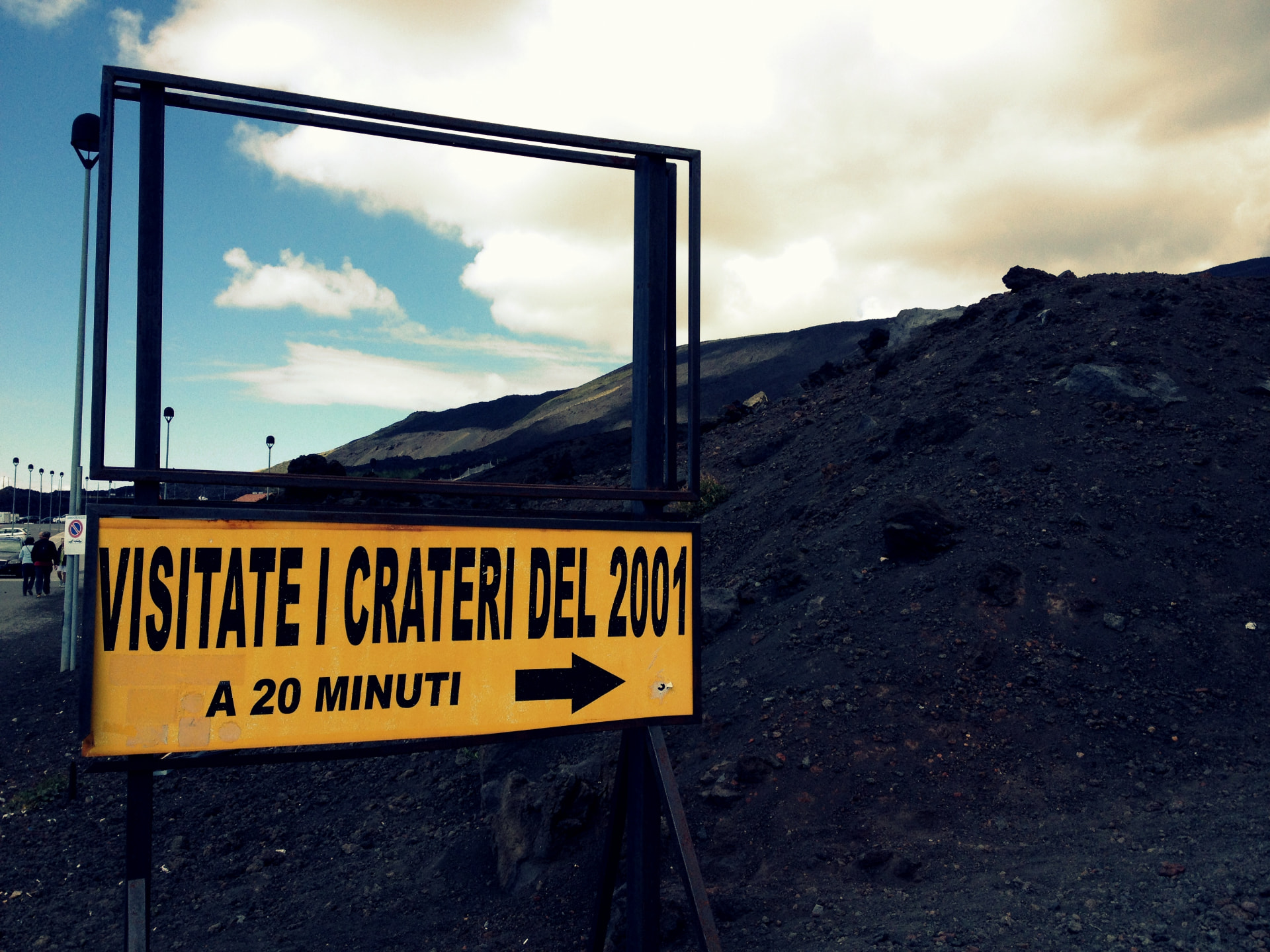
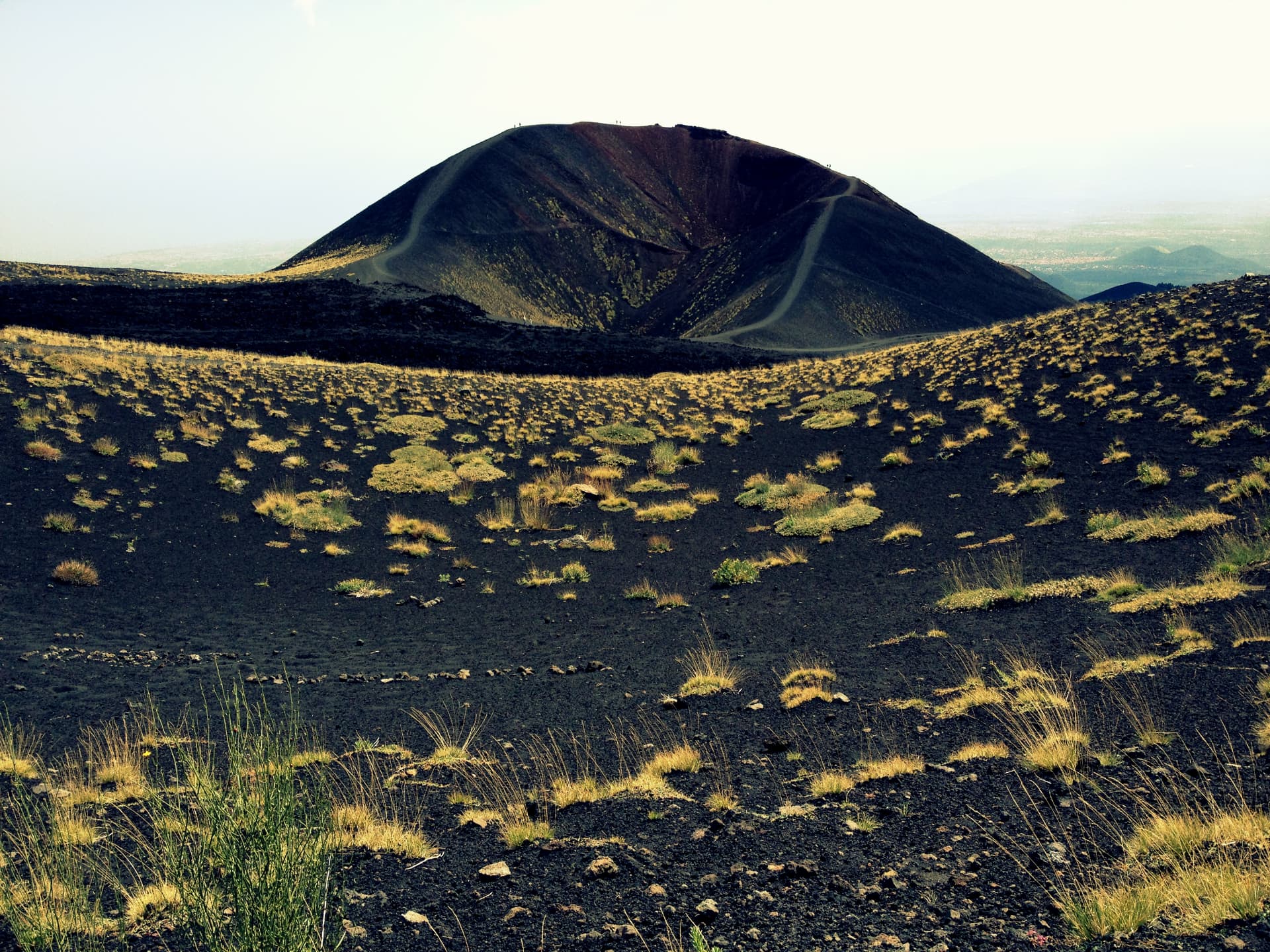
I took a bus to the starting point and walked Etna from there, rather than taking the cable car, exactly as advised. Walking around the craters, I found myself surrounded by what felt like a million ladybugs — an oddly specific, slightly surreal detail that has stuck with me longer than almost anything else from the trip. Nobody warns you about the ladybugs. I'm warning you now.
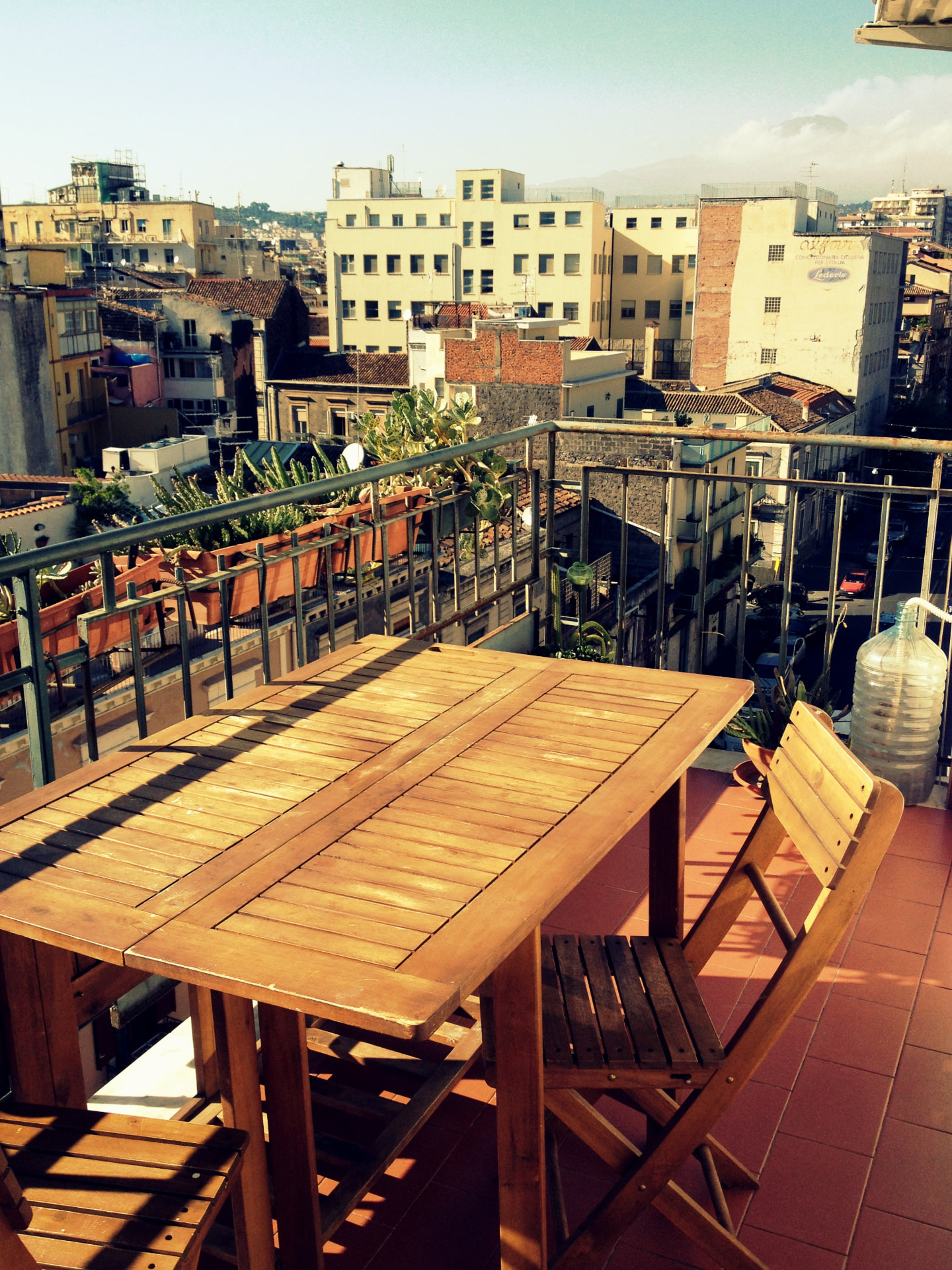
That evening, I watched the volcano from my host's balcony back in Catania. By the next morning, it was wrapped in smoke, quietly erupting just enough to remind you that Etna isn't scenery. It's a mountain that's very much still awake.
- Getting there: Day trip from Catania, by bus or organised transfer to the base, then on foot.
- Worth knowing: Etna is genuinely active — check current conditions before you go, and don't assume you'll get to the summit craters regardless of the season. Wear proper hiking shoes and bring warm clothes regardless of how hot it is at sea level — the altitude means it's noticeably colder and windier up there than the coast would have you expect.
Taormina: One Day, Exactly Enough
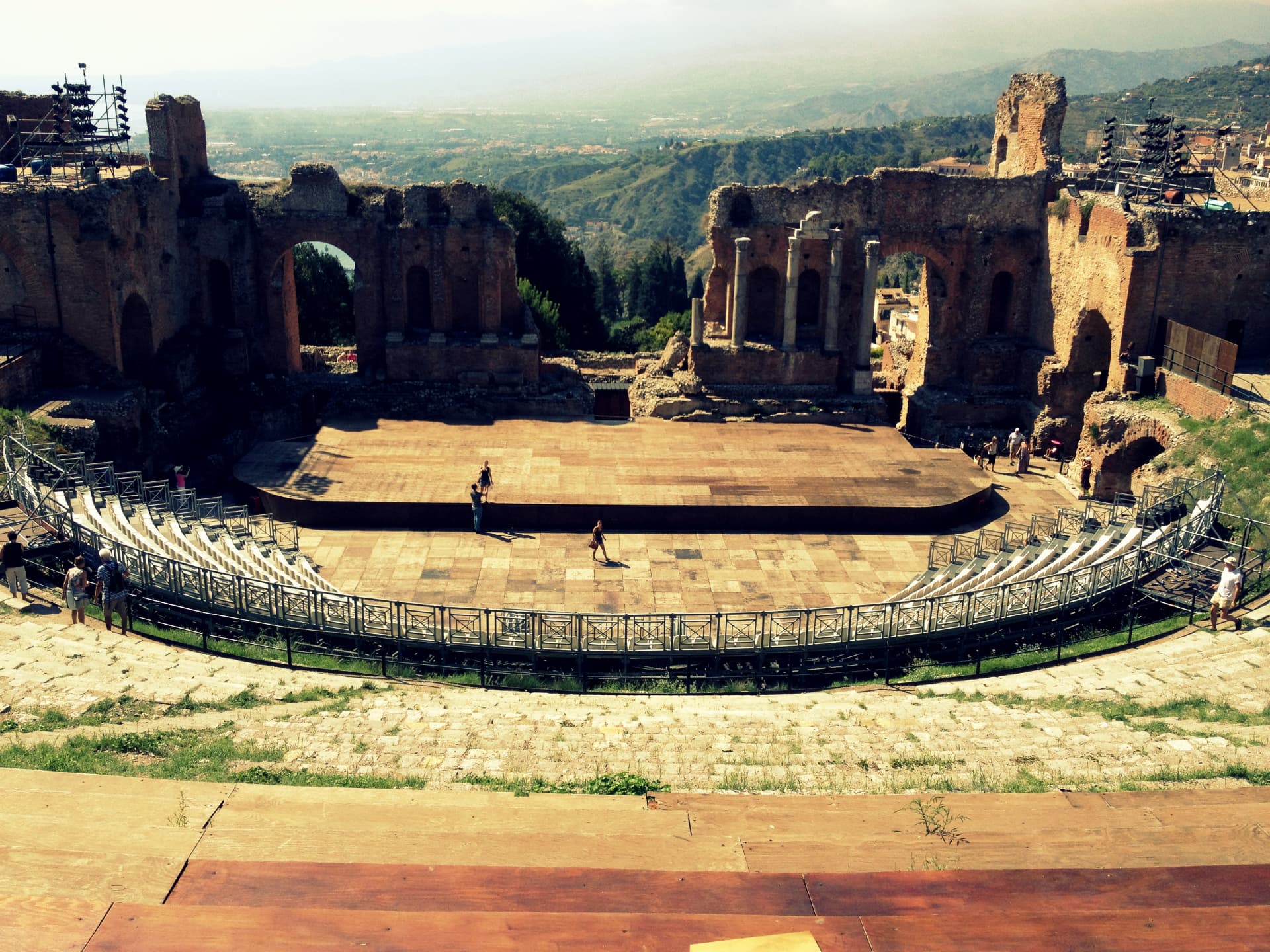
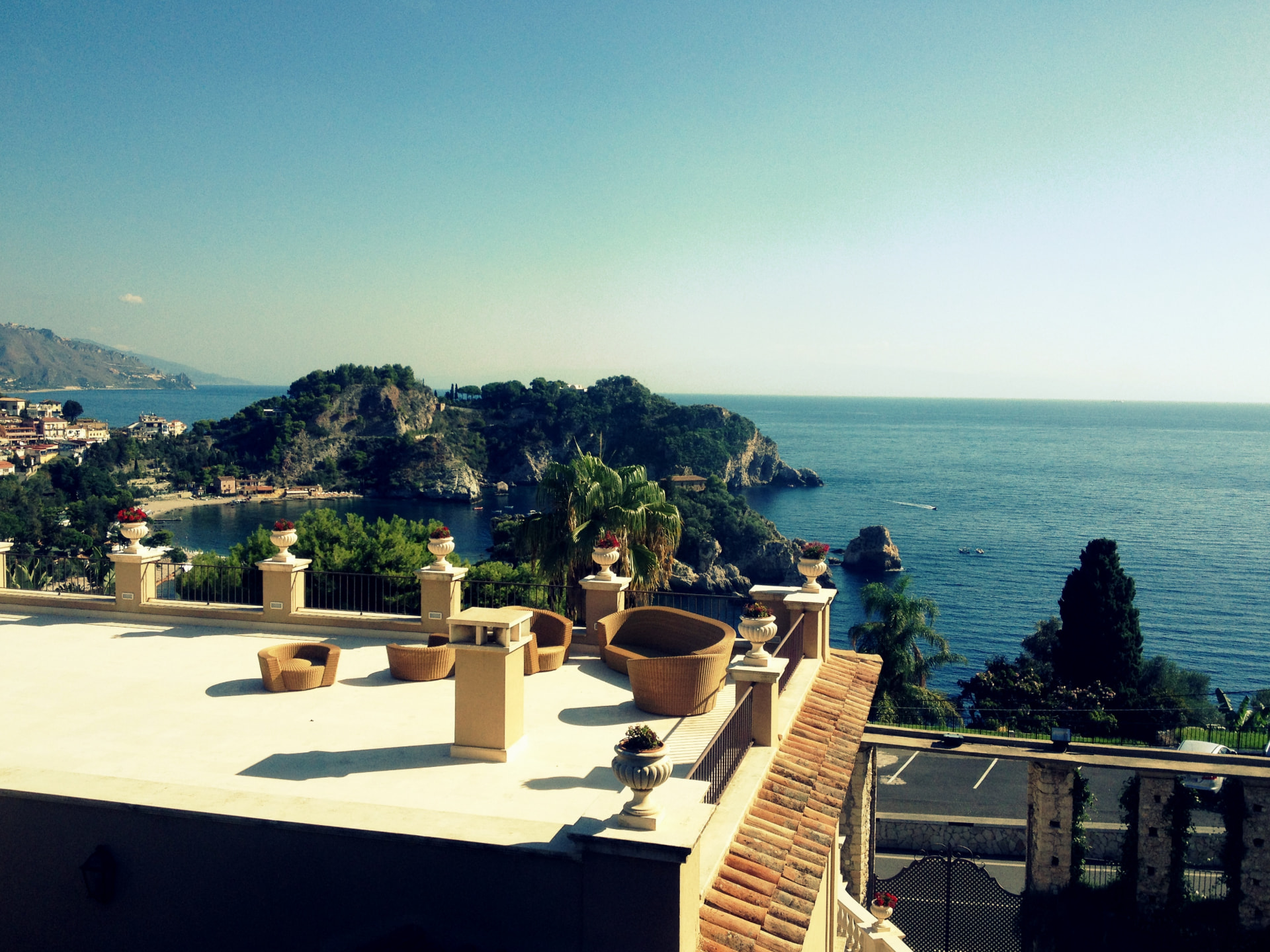
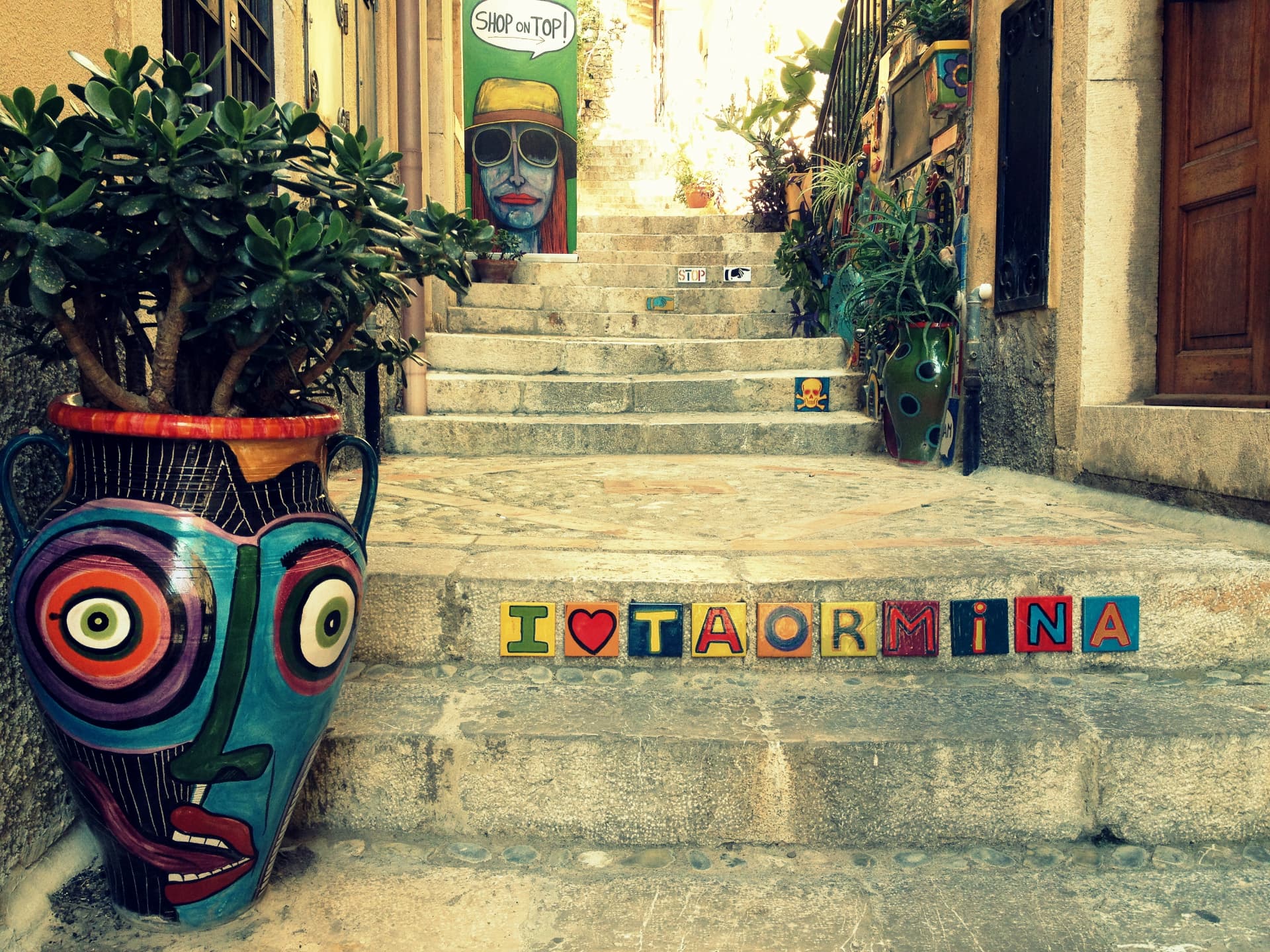
Taormina got a single day — a town that tumbles down a cliff above the sea in exactly the way the photographs promise, with the added bonus of Etna visible in the distance on a clear day. One day was the right amount. Long enough to walk the old town and sit somewhere with a view worth sitting for, short enough that it never felt like a place I needed to build a whole leg of the trip around.
Unless, of course, Taormina is the actual reason you're coming to Sicily — in which case, hello to everyone who fell for the place through The White Lotus. That season was filmed here, and the view that justified an entire show is very much real and very much worth the extra day if it's what brought you.
- Getting there: Bus from Catania, roughly 1–1.5 hours.
- Worth knowing: Go early if you want the main viewpoints without the day-trip crowds arriving from the cruise ports.
Back to Palermo: The Ending I Didn't Plan For
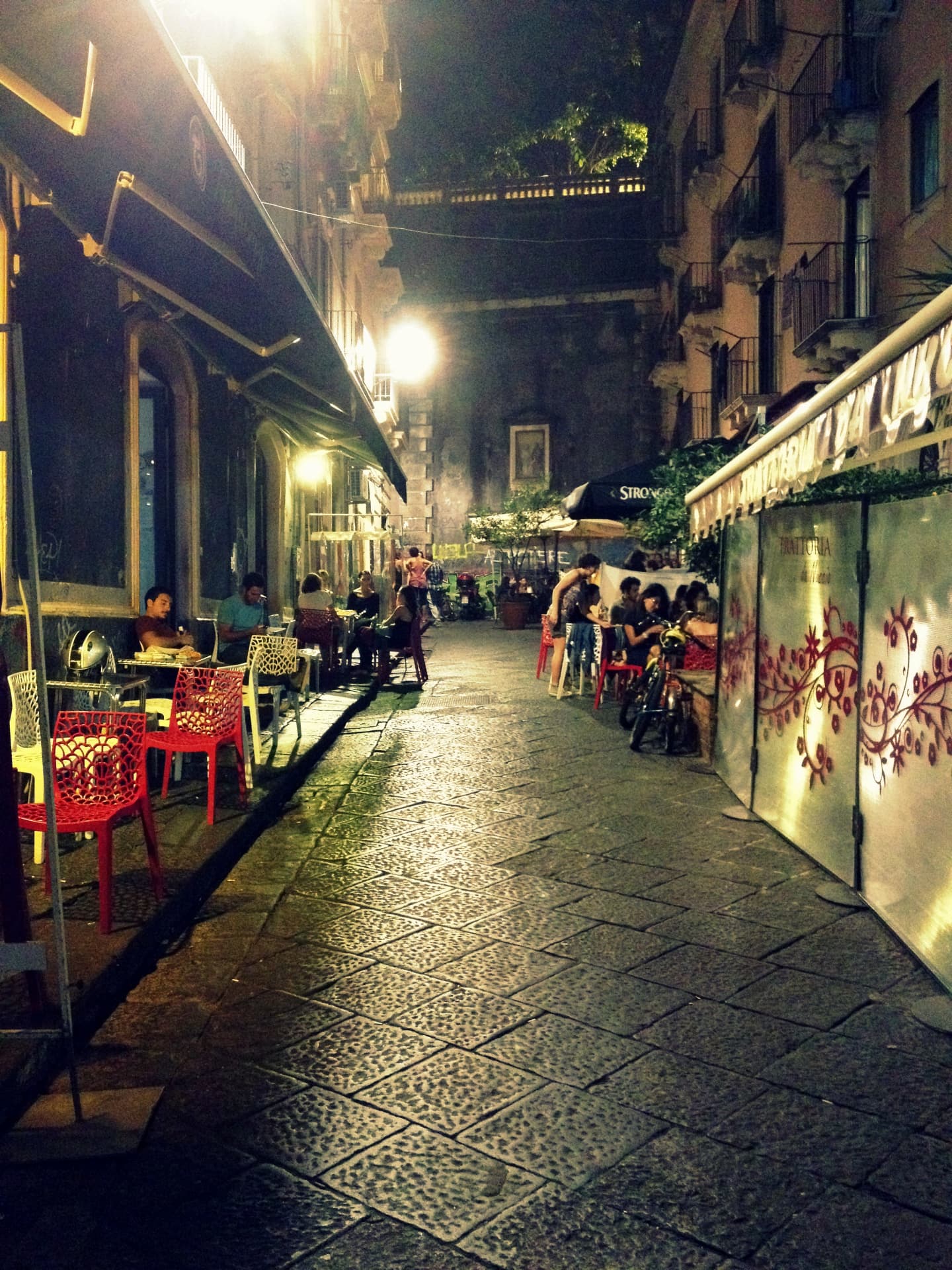
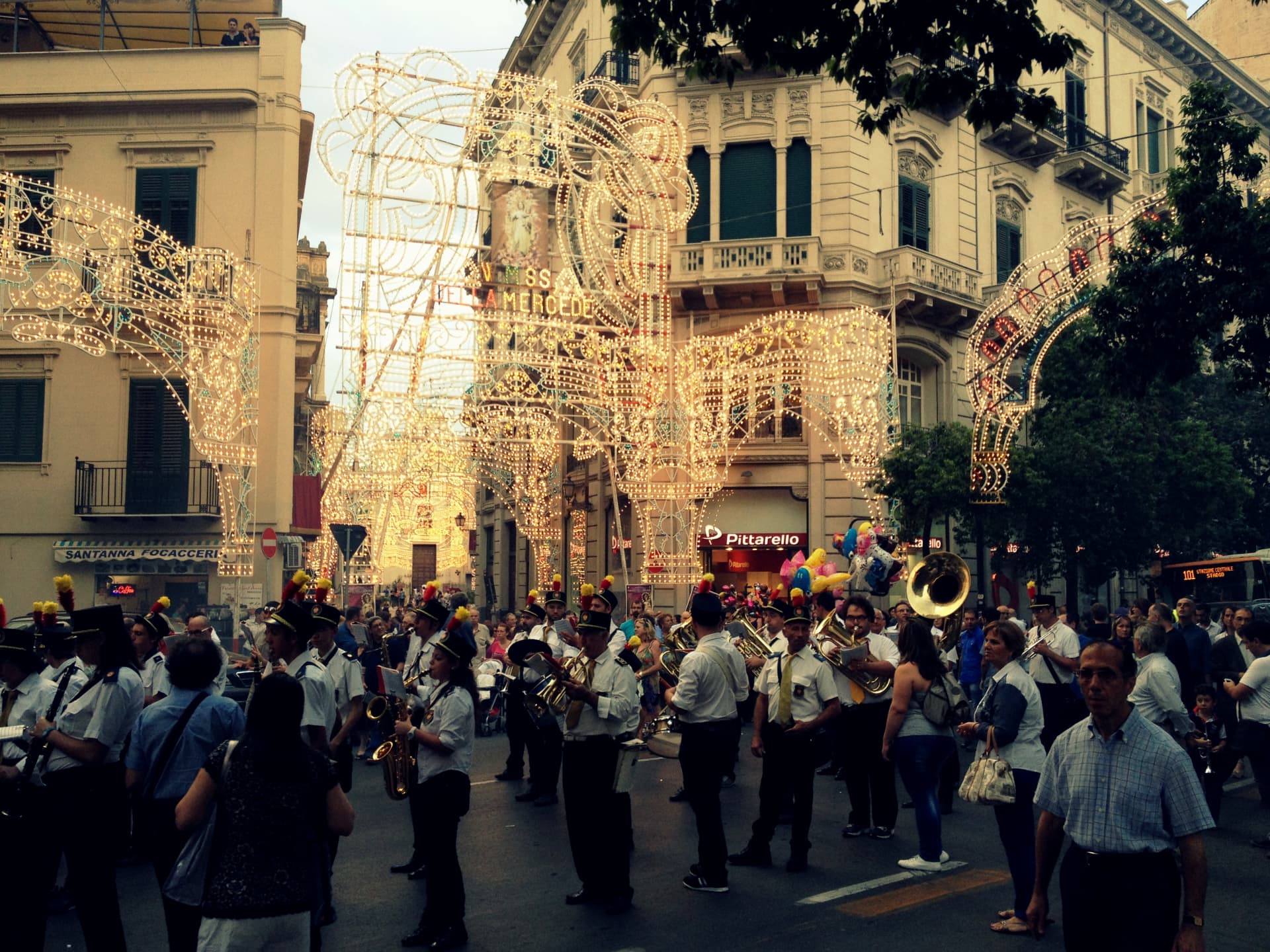
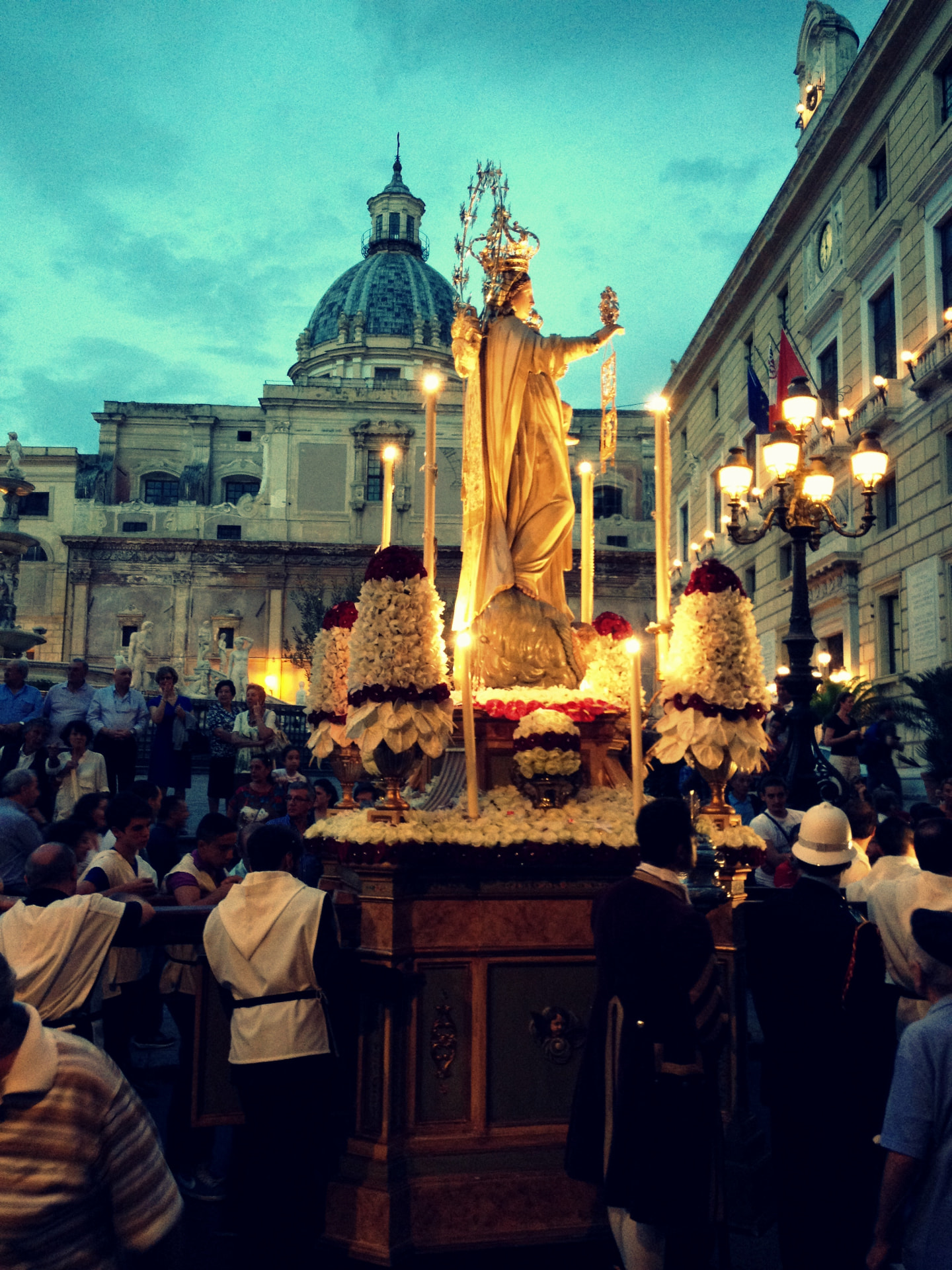
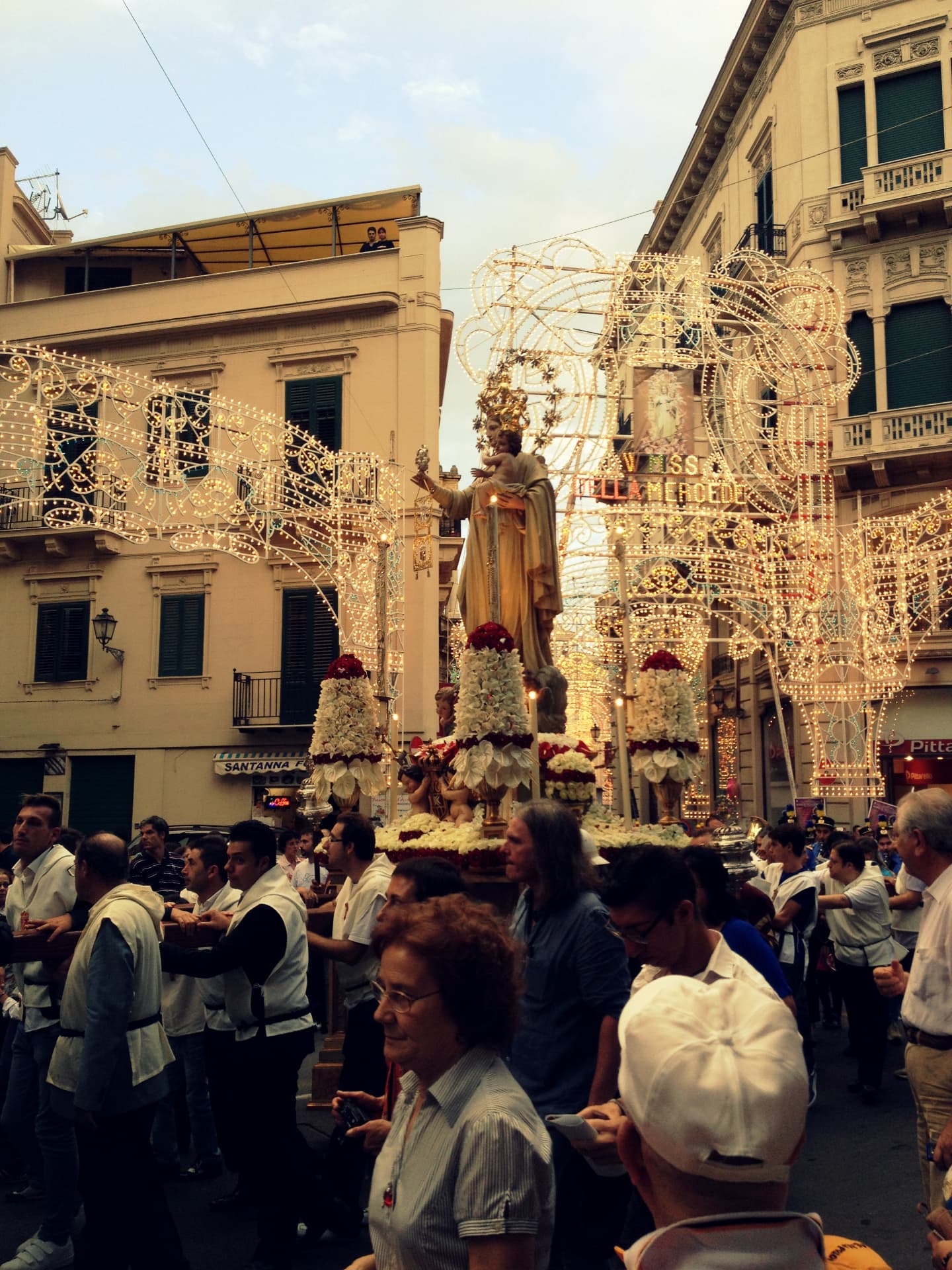
The trip closed the way it opened — two more nights in Palermo, the city that had felt overwhelming twelve days earlier now feeling almost familiar. What I didn't expect was to walk back into the historic centre on my last full evening and find the whole neighbourhood lit up — strings of lights strung across the streets, decorations everywhere, a religious procession moving through the crowd on people's shoulders, a band playing somewhere just out of sight. It was September 29th, 2013 — the Feast of San Michele Arcangelo, a fixed date that also happened, purely by chance that year, to fall on the last Sunday of September, when Palermo separately marks the Madonna della Mercede. Two of the city's own traditions landing on the same night, without me knowing either was coming. Devotion to Saint Michael runs deep in Sicily, dating back to Norman times, and whichever thread of the evening I was actually watching, Palermo marked it with exactly this kind of lit-up, music-filled night. Pure luck that it landed on my last evening in the city.
I went looking for a Godfather scene in Corleone and found nothing. Palermo handed me one anyway, for free, on my last night.
I hadn't planned around it. I didn't know it was happening until I was standing in the middle of it — lights, music, an entire neighbourhood out in the street for something that had nothing to do with tourists and everything to do with them. It was, without question, the closest I ever came on that trip to the cinematic version of Sicily I'd half-expected to find in a hill town that turned out to be nothing but a road sign. I found it instead in the place I'd started, on the night I was leaving.
The Ultimate Version (What I'd Add With a Car)
If I did this trip again, I'd rent a car for three or four days in the middle of the route rather than the whole thing. Buses got me everywhere I actually needed to go, but a few days behind the wheel would open up a handful of places that stayed just out of reach for me.
Top of that list: San Vito Lo Capo, less than two hours from Palermo, with the kind of turquoise water people don't expect from Sicily, right next to the Zingaro Nature Reserve for anyone who wants a proper coastal hike. Then Siracusa, on the east coast, and the Baroque towns around it in the Val di Noto — Ragusa Ibla, Noto, Modica — which are genuinely easier to reach with your own car than by bus. And further north than I made it, toward Cefalù and the Madonie mountains. None of these are impossible by bus. They're just far easier, and far less time-sensitive, with your own car — plus all the small unplanned stops in between, at beaches with no name I'd ever have found from a bus window.
The honest trade-off is cost. A rental in the shoulder season runs somewhere in the €27–35-a-day range, so roughly €80–140 for three or four days before fuel and tolls — more than the equivalent bus tickets, and worth weighing against how much a lighter budget mattered to me at the time. What it buys back is time and range: no waiting on schedules, no missed connections, and access to the parts of the island that public transport simply doesn't reach on any timeline. Sicilian driving has a reputation — merge assertively, don't take tailgating personally, and know there are toll motorways (Palermo–Messina and Catania–Messina) that most rental cars aren't set up to pay automatically, so keep cash or a card handy at the booths.
I didn't do any of this on my own trip, and I don't think of it as something I got wrong. I just didn't know enough yet to know it was there. It's less a regret than something left over — on purpose or not, I like having a reason to go back.
What It Actually Cost
- Budget range: $60–100/day (budget), $130–200/day (mid-range), excluding international flights. Costs stay lower outside Palermo and Taormina, and home-hosted rooms (like the one in Catania) are often both cheaper and more rewarding than a standard rental.
- Booking approach: First two nights only, booked in advance. Everything after that booked on Airbnb, one stop at a time, once the next destination was actually decided — usually based on a recommendation from wherever I currently was. I was traveling in the second half of September, well outside peak season, so keep that timing in mind when checking availability and prices for your own dates.
- Ideal trip length: 10–14 days, to allow for the same loop — Palermo, Trapani, Agrigento, Catania, Etna, Taormina, Palermo — without rushing any single stop.
- Best time to go: May–June or September–October. July and August are very hot and very crowded, especially around Taormina and the coast.
The Bottom Line
None of the best parts of this trip were things I'd planned. They were things I was told, by people who had no real reason to help me beyond wanting me to have a good time in their city. A girl at my B&B pointing me toward Trapani. An artist in Agrigento sending me to the best pizza of my life. A host in Catania who cooked me Sicilian pasta, guided me, and talked me out of wasting a day on a road sign.
That's the actual argument for going somewhere without a fully mapped-out plan. Not that it's braver, or more authentic, or any of the other words that get attached to this kind of travel. Just that it leaves room for someone to hand you something better than what you would have found on your own.
Corleone, for what it's worth, is still just a sign. I never did go. I didn't need to — Palermo gave me the scene I'd actually come looking for, on the last night, without my having to ask.
Frequently Asked Questions
Is Sicily a good destination for solo female travel?
Yes — Sicily is not considered a dangerous destination for solo female travellers, and the local culture of looking after visitors, especially women travelling alone, tends to offset the navigation and language challenges. It suits travellers who don't mind figuring things out with limited English rather than those wanting maximum infrastructure.
How many days do you need in Sicily?
10–14 days is enough to cover the western and eastern halves of the island properly, including Palermo, the west coast, Agrigento, Catania, and a couple of day trips (Etna, Taormina) without rushing.
Do you need to speak Italian to travel Sicily solo?
No, though it helps outside the bigger cities. Google Translate, patience, and a willingness to communicate with gestures cover almost everything — English is limited in smaller towns and villages, more common in Palermo, Catania, and tourist-heavy Taormina.
Is it worth visiting Corleone for The Godfather?
There wasn't much to see when I visited in 2013. That's changed — there's now a small museum in the town, worth a stop if you're curious.
Should you rent a car in Sicily, or rely on buses?
Buses connect all the major towns covered in this route (Palermo, Trapani, Agrigento, Catania, Taormina) and are the more common choice for solo travellers, especially first-timers. A car gives more flexibility for reaching smaller villages and the interior, but isn't necessary for this itinerary.
Keep exploring
Stories, places and books to keep the daydreaming going.
Solo Female Travel Safety: Real Habits From 12+ Countries
Travel Tips · 11 min read
Read the story
Sicily, Italy
Greek temples, Arab pastries and an active volcano, all on one island
See the destination
Circe
by Madeline Miller · Greek Islands